6 Essential Steps to Repot a Fiddle Leaf Fig
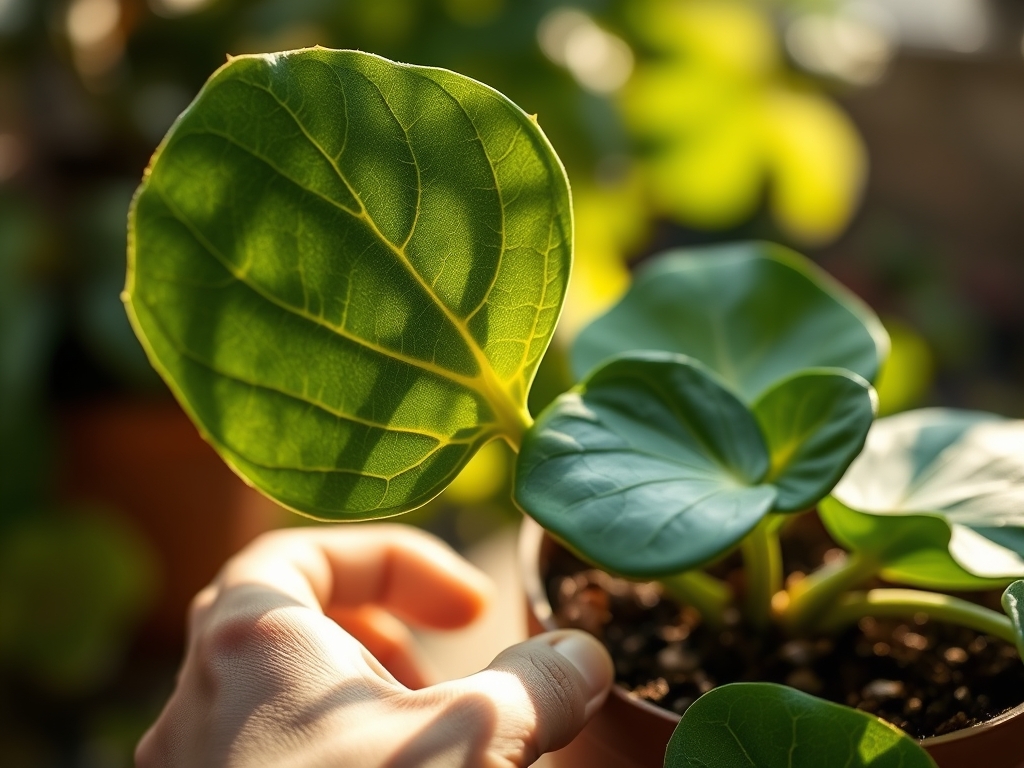
The smell of damp peat and the metallic tang of fresh perlite signal the start of a necessary transition for the Ficus lyrata. A healthy specimen maintains high turgor pressure; its broad, lyrate leaves feel stiff and leather-like to the touch. When the root mass begins to circle the interior of the pot, the plant enters a state of physiological stress that requires intervention. Executing the correct steps for repotting a fiddle leaf fig ensures the specimen maintains its structural integrity and photosynthetic efficiency. This process is not merely a change of scenery; it is a critical recalibration of the rhizosphere. Without proper timing and substrate composition, the plant may suffer from transplant shock or root senescence. Success depends on understanding the biological requirements of this West African native, specifically its need for rapid drainage and consistent nutrient availability. The goal is to move the plant into a vessel that allows for expanded root architecture while preventing the anaerobic conditions that lead to root rot.
Materials:
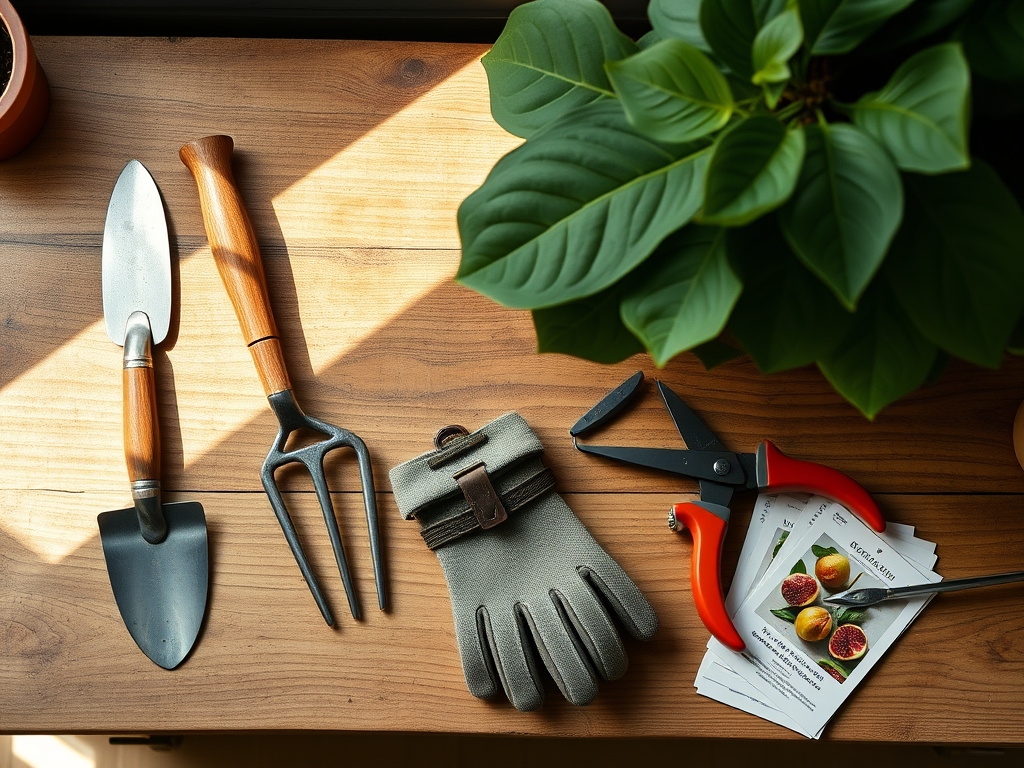
The ideal substrate for a Ficus lyrata is a friable loam with a **pH between 6.0 and 7.0**. This acidity range optimizes the availability of micronutrients like iron and manganese. The potting mix must facilitate a high Cation Exchange Capacity (CEC) to retain nutrients while allowing for oxygen diffusion. Use a blend consisting of **two parts aged pine bark, one part coarse perlite, and one part coconut coir**. Avoid heavy garden soils that compact and suffocate the roots.
For nutrition, integrate a slow-release fertilizer with an NPK ratio of 3:1:2. This specific ratio caters to the high nitrogen demand required for leaf production and the potassium levels necessary for maintaining cellular turgor. Ensure the new container is only 2 to 3 inches wider in diameter than the current pot. A vessel that is too large holds excess moisture in the unoccupied soil, which significantly increases the risk of fungal pathogens.
Timing:
The biological clock of the Ficus lyrata is dictated by light intensity and ambient temperature. In Hardiness Zones 9 through 11, these plants can remain outdoors year-round, but for most indoor growers, the ideal window for repotting is late spring or early summer. This period aligns with the plant's transition into its peak vegetative growth stage.
Wait until the danger of frost has passed and night temperatures consistently remain above 55 degrees Fahrenheit. During this phase, the plant has the metabolic energy required to repair root hairs damaged during the move. Avoid repotting during the winter dormancy period; the reduced photoperiod slows down the plant's metabolic rate, making it difficult for the root system to colonize new substrate before the soil becomes stagnant.
Phases:

Sowing the Foundation
Begin by hydrating the plant 24 hours prior to the move. This ensures the cells are at maximum turgor. Lay the plant on its side and gently slide it from the container. If the plant is root-bound, use a hori-hori knife to slice vertically through the outer inch of the root ball in four places. This mechanical disruption encourages the growth of new, lateral roots rather than allowing the old roots to continue their circular, self-strangling pattern.
Pro-Tip: Slicing the outer roots triggers a hormonal response involving auxin suppression. When the dominant root tips are severed, the plant redirects auxins to dormant lateral buds, stimulating a denser and more efficient root system.
Transplanting and Positioning
Place a layer of the prepared substrate in the bottom of the new pot. Center the Ficus lyrata so that the top of the root ball sits 1 inch below the rim of the container. This gap, known as "headspace," allows for efficient deep watering without overflow. Fill the perimeter with fresh mix, tamping down lightly with your fingers to eliminate large air pockets while maintaining the "friable" nature of the loam.
Pro-Tip: Avoid burying the trunk deeper than its original soil line. The bark on the upper stem is not adapted to the high moisture levels of the rhizosphere; burying it can lead to stem rot and the interruption of vascular flow.
Establishing the Specimen
Immediately after transplanting, water the plant until liquid drains freely from the bottom holes. This settles the soil around the roots and ensures immediate contact between the root hairs and the nutrient-rich substrate. Place the plant in a location with bright, indirect light, ideally providing 200 to 400 foot-candles of illumination. Monitor the plant closely for the next 14 days, as this is the critical window for establishing the new environment.
Pro-Tip: Maintaining high humidity (above 50 percent) during the first two weeks reduces the transpiration rate. This allows the plant to focus its limited energy on root regeneration rather than replacing water lost through the stomata on its large leaves.
The Clinic:
Physiological disorders often manifest shortly after repotting if the environment is not optimized.
- Symptom: Drooping leaves or "flagging" despite moist soil.
- Solution: This indicates transplant shock. Increase ambient humidity and reduce light intensity slightly for 7 days to lower metabolic demand.
- Symptom: Small, brown spots with yellow halos on new growth.
- Solution: This is often a sign of edema or fungal infection from overwatering. Ensure the substrate has dried to a depth of 2 inches before the next irrigation cycle.
- Symptom: Interveinal chlorosis (yellowing between leaf veins).
- Solution: This is a classic Nitrogen chlorosis or magnesium deficiency. Verify the soil pH is not above 7.0 and apply a chelated micronutrient supplement.
Maintenance:
Post-repotting care requires precision. Use a soil moisture meter to ensure you are not over-irrigating. The Ficus lyrata generally requires 1 to 1.5 inches of water per week, delivered evenly across the soil surface. Never let the plant sit in a saucer of standing water; this leads to anoxia and root death.
Clean the leaves monthly with a damp cloth to remove dust. Dust buildup blocks the stomata and reduces the rate of photosynthesis. If the plant becomes too top-heavy, use bypass pruners to head back the lead terminal. This encourages branching and creates a more stable, columnar form. Always make cuts just above a leaf node to ensure the plant can effectively seal the wound with its white, latex-rich sap.
The Yield:
While the Ficus lyrata is primarily grown for its architectural foliage, its "yield" is measured in the production of large, healthy leaves. To maximize leaf size, ensure the plant receives consistent light from all sides. Rotate the pot 90 degrees every week. This prevents phototropism, where the plant leans toward the light source, and ensures even distribution of photosynthetic energy across the entire canopy. When a leaf reaches the end of its life cycle (senescence), it will turn yellow and drop; this is normal as long as new growth continues at the apex.
FAQ:
How do I know when to start the steps for repotting a fiddle leaf fig?
Look for roots emerging from drainage holes or water sitting on the soil surface. If the plant requires water every 2 to 3 days, the root-to-soil ratio is too high, necessitating a larger vessel.
What is the best soil for a fiddle leaf fig?
A well-draining, peat or coir-based mix with a pH of 6.0 to 7.0 is best. Incorporate perlite or bark to ensure oxygen reaches the rhizosphere and to prevent the substrate from becoming anaerobic.
Should I fertilize immediately after repotting?
Wait 4 to 6 weeks before applying liquid fertilizer. The fresh potting mix usually contains enough nutrients for initial growth. Introducing high salt concentrations too early can burn the sensitive, newly forming root hairs.
Why are the bottom leaves falling off after repotting?
This is often a sign of transplant shock or a change in light levels. If the plant loses more than two leaves, check the soil moisture levels and ensure the plant is not in a drafty location.