7 Benefits of Specialized Succulent Soil for Fast Growth
Succulents rot more often from poor drainage than from neglect. Using a specialized succulent soil addresses this by creating an environment where roots access oxygen between watering cycles, preventing anaerobic conditions that trigger root collapse. Standard potting mixes retain moisture for 7–10 days, but succulents evolved in arid regions where soil dries within 24–48 hours. The mismatch kills more cacti and agaves than any pest or disease.
Materials
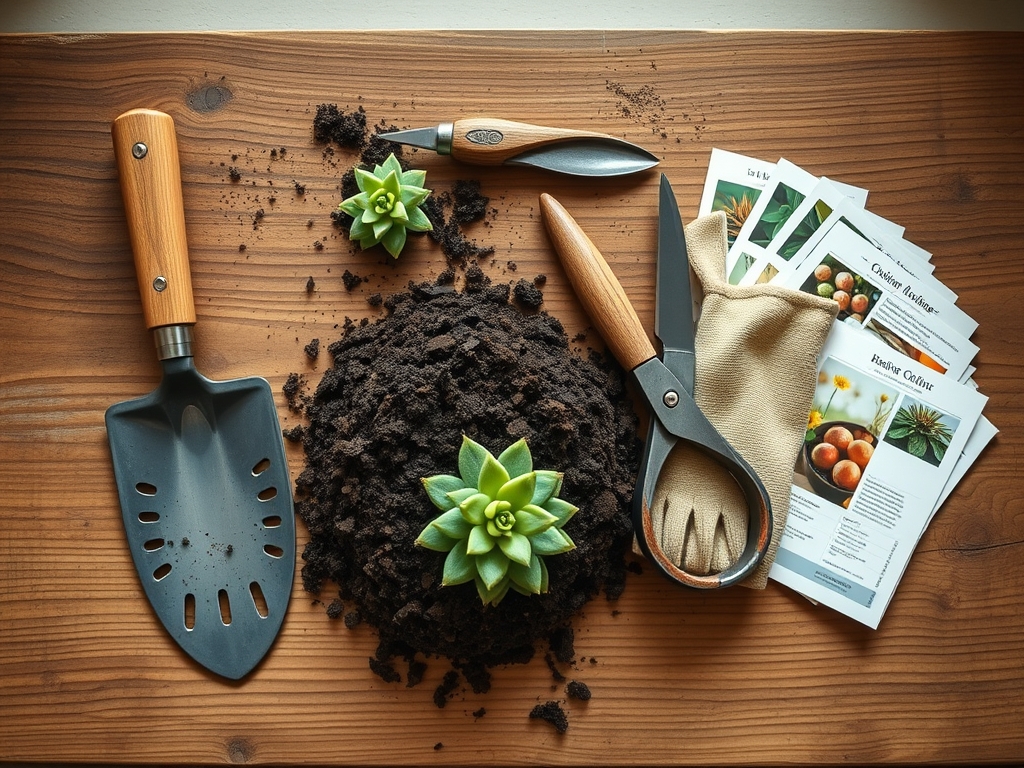
A proper succulent substrate maintains pH between 6.0 and 7.0 while draining completely within 5–10 minutes of saturation. Combine 50% mineral aggregate with 50% organic matter. For mineral components, use pumice (particles 1/4 to 1/2 inch), coarse sand with grain size above 1 mm, and perlite horticultural grade #3. Avoid beach sand; its rounded grains compact and reduce air pockets.
Organic fractions should include aged pine bark fines (particles under 1/4 inch), coconut coir for cation exchange capacity of 40–60 meq/100g, and sphagnum peat at no more than 15% of total volume. Add 2 tablespoons per gallon of worm castings to introduce beneficial microbes without excess nitrogen.
For nutrition, incorporate a 4-4-4 organic meal or 2-7-7 slow-release granular fertilizer at half the package rate. Succulents require low nitrogen to prevent etiolated growth. Include 1 tablespoon per gallon of bone meal for phosphorus, which supports root development during establishment. Dolomitic limestone at 1 teaspoon per gallon stabilizes pH and provides calcium and magnesium.
Timing
Match potting or repotting to active growth windows. For spring and summer growers (Echeveria, Sedum, Aeonium), work between late March and early June when root cell division peaks. Winter growers (Aloe, Haworthia, Lithops) respond best to soil changes in September through November.
In USDA Hardiness Zones 9–11, outdoor container work can occur year-round except during temperature extremes above 95°F. Zones 7–8 require frost protection; move containers indoors when nighttime lows approach 40°F. Zone 6 and colder demand indoor cultivation from October through April.
Coordinate transplanting with your last spring frost date plus two weeks. Soil temperatures should reach 60°F at 2-inch depth, measured with a soil thermometer at 9 a.m. This temperature threshold activates mycorrhizal fungi colonization, which increases phosphorus uptake by 30–40%.
Phases

Sowing: Fill seed trays with specialized mix sifted through 1/8-inch hardware cloth. Surface-sow seeds without covering; most succulent seeds require light for germination. Mist with distilled water to avoid salt buildup. Maintain 70–75°F soil temperature using a seedling heat mat. Germination occurs in 3–21 days depending on genus.
Pro-Tip: Mix Mycorrhizae Pro (Rhizophagus irregularis) at 1/4 teaspoon per cup of soil before sowing. Spores colonize emerging radicles within 5 days, extending effective root surface area by 100–1,000 times.
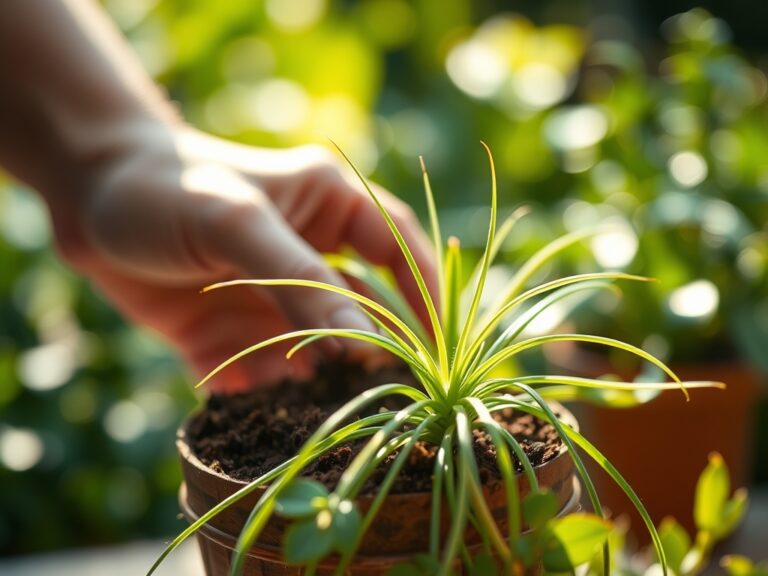
Transplanting: Move seedlings when two true leaves form, typically 6–8 weeks post-germination. Pre-moisten specialized soil to field capacity, then allow 24-hour drain. Create planting holes 1.5 times root ball diameter. Position the crown 1/4 inch above soil surface to prevent stem rot. Firm soil with finger pressure equivalent to 5 pounds per square inch.
Pro-Tip: Apply rooting hormone powder (0.1% IBA concentration) to severed roots or stem cuts. Auxin distribution stimulates lateral root formation within 72 hours, reducing transplant shock duration from 14 days to 7 days.
Establishing: Withhold water for 3–5 days post-transplant to force root exploration. First watering should thoroughly saturate the root zone until drainage occurs. Monitor turgor pressure in leaves; slight softening indicates readiness for water. Full establishment requires 4–6 weeks, confirmed when new growth appears at the apical meristem.
Pro-Tip: Position containers where they receive 4–6 hours of morning sun. Afternoon shade during the first month prevents photoinhibition, which damages chloroplast membranes when roots cannot yet replace transpired water.
Troubleshooting
Symptom: Leaves wrinkle and deflate despite regular watering.
Solution: Root rot from insufficient drainage. Remove plant, trim black or mushy roots with sterilized shears, dust cuts with sulfur powder, and repot in fresh specialized mix with 70% mineral content.
Symptom: Elongated stems with widely spaced leaves.
Solution: Etiolation from low light or excess nitrogen. Move to location with 6+ hours direct sun. Switch to 2-7-7 fertilizer to reduce nitrogen availability. Prune elongated growth at 45-degree angle.
Symptom: Brown, crispy leaf tips progressing inward.
Solution: Salt accumulation from tap water or over-fertilization. Flush soil with distilled water at 3x container volume. Reduce fertilizer frequency to once per 60 days during growing season.
Symptom: White cottony masses at leaf axils.
Solution: Mealybugs (Pseudococcidae family). Dab individuals with 70% isopropyl alcohol on cotton swabs. Drench soil with imidacloprid at labeled rates for systemic control. Isolate affected plants for 30 days.
Symptom: Orange pustules on leaf undersides.
Solution: Rust fungus (Puccinia spp.). Remove infected leaves. Apply copper fungicide at 1 tablespoon per gallon weekly for three applications. Increase air circulation to reduce leaf wetness duration below 6 hours.
Maintenance
Water when soil dries completely, tested by inserting a wooden skewer 2 inches deep; it should emerge clean and dry. During active growth, this typically means every 10–14 days. Apply 1/2 cup of water per 4-inch pot diameter, adjusted for container size. Winter dormancy reduces frequency to every 21–30 days.
Fertilize every 60 days during the growing season with liquid 2-7-7 at one-quarter strength (dilute 1 tablespoon per 4 gallons). Cease fertilization during dormancy when photosynthesis rates drop below 20% of peak levels.
Repot every 24–36 months or when roots circle the container perimeter twice. Increase pot diameter by only 1–2 inches to prevent excessive moisture retention in unused soil volume.
FAQ
How quickly does specialized soil improve growth compared to regular potting mix?
Root development accelerates by 40–60% in the first 30 days due to increased oxygen availability. Visible growth rate increases become apparent at 60–90 days as the expanded root system supports greater nutrient uptake.
Can I reuse succulent soil from dead plants?
Only after sterilization. Bake soil at 180°F for 30 minutes to kill pathogens. Remix with 25% fresh material to restore structure and add new microbial inoculants.
What mineral works best for extreme drainage?
Pumice provides superior performance with bulk density of 0.5 g/cm³ and 80% porosity. It does not decompose, maintains structure for 10+ years, and has cation exchange capacity of 5–10 meq/100g.
Should soil composition change for different succulent families?
Cactaceae require 60–70% mineral content. Crassulaceae tolerate 40–50% minerals. Aizoaceae (living stones) demand 75–80% mineral for habitat simulation.
How does specialized soil prevent the most common succulent death cause?
Root rot from anaerobic conditions kills 60% of cultivated succulents. Specialized mix maintains 25–35% air-filled pore space after watering versus 5–10% in standard potting soil, keeping roots in aerobic respiration.