6 Effective Steps to Treat Fungus Gnats with BTI
Crushed perlite grit and the scent of damp, anaerobic peat signal a breakdown in the rhizosphere that invites disaster. When the turgor pressure of a seedling fails, the cause is often the subterranean feeding of Bradysia larvae. These dipterans thrive in high moisture environments where they consume root hairs and transmit Pythium pathogens. Mastering the steps for treating fungus gnats with BTI is the only scientific method to arrest this cycle without compromising the delicate microbial balance of your growing medium. Bacillus thuringiensis israelensis (BTI) is a specialized soil bacterium that produces crystalline proteins. Once ingested by the larvae, these proteins disrupt the midgut epithelium, leading to osmotic lysis and rapid mortality. This biological intervention preserves the beneficial predatory mites and mycorrhizal networks essential for nutrient uptake. Success requires precision in application timing and a deep understanding of the life cycle of the pest within the top two inches of the substrate.
Materials:
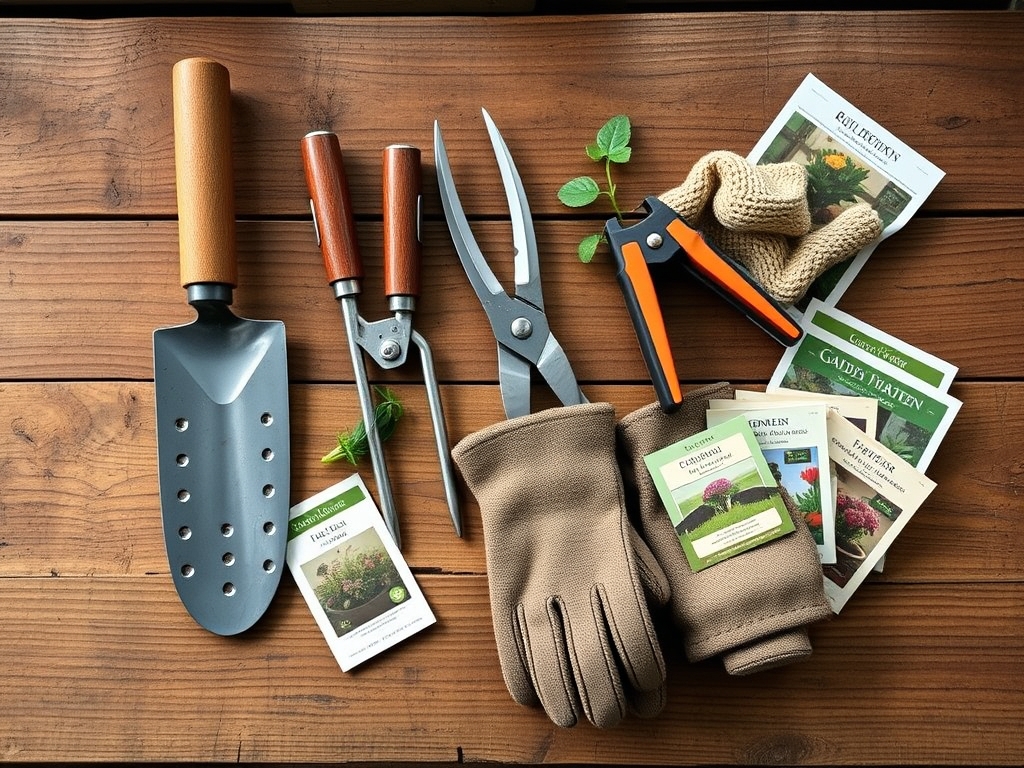
Effective eradication begins with the substrate composition. Fungus gnats prefer a substrate with a high Cation Exchange Capacity (CEC) that retains excessive moisture. Your ideal growing medium should be a friable loam with a **pH range of 5.8 to 6.5**. To support plant recovery after larval damage, ensure the NPK ratio of your supplemental fertilizer is approximately **3-1-2 for vegetative growth**. This ratio provides sufficient Nitrogen for foliar repair without overstimulating succulent growth that attracts secondary pests. You will need BTI in either granular form (bits) or concentrated liquid form. The BTI must be fresh; the bacterial spores lose viability if stored in temperatures exceeding **85 degrees Fahrenheit**. Additionally, procure yellow sticky traps for adult monitoring and a **0.1-gram precision scale** for measuring dry BTI concentrates.
Timing:
In Hardiness Zones 3 through 11, fungus gnat populations peak when indoor humidity exceeds 50 percent or during the transition from the vegetative stage to the reproductive stage. This "Biological Clock" is critical because plants in the flowering phase often experience a shift in root exudates, which can increase the rate of fungal growth in the soil. The first application should occur as soon as the first adult gnat is sighted on a sticky trap. For outdoor containers, initiate treatment windows two weeks after the last frost date, typically when soil temperatures consistently reach 60 degrees Fahrenheit. At this temperature, the metabolic rate of the larvae increases, making them more likely to ingest the BTI spores.
Phases:
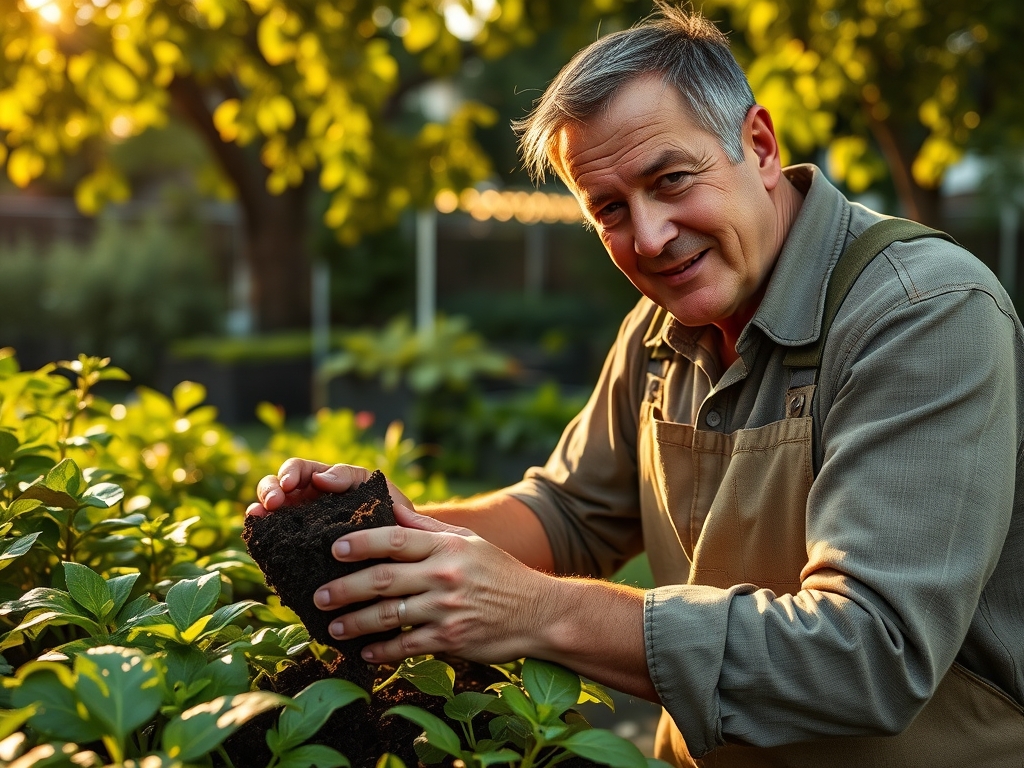
Sowing and Inoculation
Before seeds are placed in the substrate, pre-treat the medium with a BTI drench. Mix one teaspoon of BTI granules per gallon of water and allow it to steep for 30 minutes. This ensures the bacterial spores are distributed throughout the rhizosphere before the first root hairs emerge.
Pro-Tip: Pre-treating the soil utilizes the principle of competitive exclusion. By establishing BTI spores early, you ensure that any larvae hatching from eggs already present in the peat moss are neutralized before they can damage the radicle.
Transplanting and Establishing
When moving starts into larger vessels, ensure the new substrate is also inoculated. Check the root ball for signs of brown, necrotic tissue. Healthy roots should be white and firm. Apply the BTI solution at a rate of 250 milliliters per gallon of container volume.
Pro-Tip: Maintaining high oxygen levels in the root zone through proper porosity prevents the anaerobic conditions that trigger the "smell of decay." This scent is a chemical signal that adult gnats use to locate suitable oviposition sites.
Sustaining the Colony
BTI is not a one-time fix. The life cycle of a fungus gnat is approximately 21 to 28 days. You must apply the BTI drench once every seven days for a minimum of three consecutive weeks to capture every emerging generation.
Pro-Tip: This repeated application accounts for the "incubation lag." BTI only kills the larval stage; it does not affect eggs or pupae. Consistent re-application ensures that as eggs hatch, the larvae immediately encounter the lethal delta-endotoxins.
The Clinic:
Physiological disorders often mimic gnat damage. Observe the root structure in the step-by-step photos above to differentiate between pest damage and nutrient issues.
Symptom: Interveinal chlorosis on lower leaves.
Solution: This is often Nitrogen deficiency caused by larval feeding on root hairs, which reduces the surface area available for nutrient transport. Increase NPK to a 5-1-1 fish emulsion for one week.
Symptom: Marginal leaf burn or "tip burn."
Solution: This indicates a localized salt buildup or Calcium deficiency. Flush the medium with 3 gallons of water per 1 gallon of soil to reset the Electrical Conductivity (EC) levels.
Symptom: Sudden wilting despite moist soil.
Solution: This is a classic sign of root rot (Pythium) introduced by gnat larvae. Increase airflow and reduce watering frequency to allow the top 2 inches of soil to dry completely.
Fix-It for Nitrogen Chlorosis: If leaves are pale yellow, apply a foliar spray of 1 percent Urea solution. Foliar feeding bypasses the damaged root system, delivering Nitrogen directly to the stomata to maintain photosynthesis while the BTI works to clear the larvae.
Maintenance:
Precision moisture management is the primary defense against re-infestation. Use a soil moisture meter to ensure the substrate remains at a "Level 3" or "Moist" setting, never "Wet." For most indoor tropicals, provide 1.5 inches of water per week, delivered directly to the drip line to avoid wetting the stem. Use a hori-hori knife to gently aerate the top inch of soil once a month; this disrupts the crust and improves gas exchange in the rhizosphere. If you notice dead organic matter on the soil surface, remove it immediately using bypass pruners to eliminate the primary food source for the fungal hyphae that larvae consume.
The Yield:
For those growing medicinal herbs or edible greens, the harvest must be timed to the peak of essential oil production. Harvest in the early morning when turgor pressure is at its highest and the plant is fully hydrated. Use sharp, sterilized shears to make clean cuts at a 45-degree angle. To maintain "day-one" freshness, immediately place the stems in a cool, dark environment with a temperature of 55 degrees Fahrenheit and a relative humidity of 60 percent. This slows the rate of senescence and preserves the volatile aromatic compounds within the leaf tissue.
FAQ:
How long does BTI take to work on fungus gnats?
BTI begins affecting the larval digestive system within 24 hours. However, because it only targets the larval stage, you will continue to see adult gnats for 7 to 10 days until the existing pupae hatch and die off.
Is BTI safe for organic vegetable gardening?
Yes. BTI is a naturally occurring soil bacterium that is highly specific to the larvae of the suborder Nematocera. It does not affect honeybees, ladybugs, or humans, making it an ideal choice for integrated pest management in food crops.
Can I mix BTI with my regular fertilizer?
You can mix BTI with most synthetic and organic fertilizers. Ensure the final solution pH remains between 5.5 and 7.0. Extreme pH levels outside this range can denature the crystalline proteins and render the treatment ineffective.
How often should I apply BTI for a severe infestation?
For heavy infestations, apply the BTI drench every 5 days for the first two weeks. After the adult population decreases, transition to a preventative schedule of once every 14 days to ensure no new colonies establish.