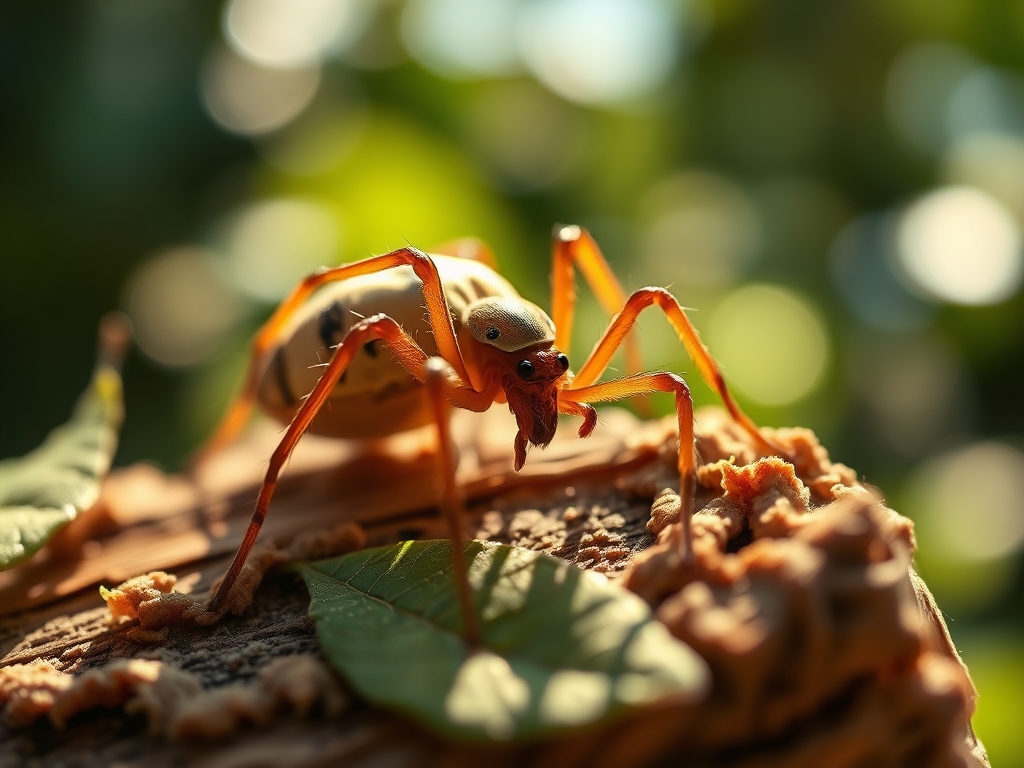
7 Proven Steps to Treat Spider Mites with Neem Oil
Spider mites leave behind a wake of yellow stippling on leaves, fine webbing stretched between stems, and a plant that loses its ability to photosynthesize efficiently. These arachnids pierce plant cells and drain chlorophyll-rich fluids, collapsing the leaf's structural integrity within days. The steps for treating spider mites with neem oil combine mechanical disruption of the pest's life cycle with biochemical interference, targeting both adult mites and their developing larvae through azadirachtin compounds that inhibit molting and feeding.
Materials

Cold-pressed neem oil (100% concentration, azadirachtin content above 1,500 ppm) forms the backbone of treatment. Select products with an NPK ratio of 0-0-0 to avoid nitrogen spikes during stress periods. Emulsifying agents such as potassium-based insecticidal soap (pH 9.5-10) allow the oil to disperse evenly in water. A spray applicator with adjustable nozzle settings delivers droplet sizes between 200-400 microns for optimal leaf coverage.
Distilled or reverse-osmosis water (pH 6.0-7.0) prevents mineral deposits that reduce neem oil efficacy. A handheld microscope (60x magnification minimum) confirms mite presence on leaf undersides. Isopropyl alcohol at 70% concentration serves as a sterilizing agent for tools and containers. Microfiber cloths remove webbing and honeydew residues that harbor secondary fungal infections.
For soil health maintenance during treatment, mycorrhizal fungi inoculants (Glomus intraradices species) and kelp meal (1-0.1-2 NPK) support root function when foliar stress peaks. The cation exchange capacity of your growing medium should register above 10 meq/100g to buffer pH shifts from repeated spray applications.
Timing
Begin treatment when nighttime temperatures stabilize between 55-75°F. Spider mites reproduce fastest above 80°F, completing a generation in five days under optimal conditions. In USDA Hardiness Zones 8-10, monitor plants from March through October. Zones 3-7 require vigilance from late May through early September.
Apply neem oil sprays during early morning hours (6-8 AM) or late evening (7-9 PM) when stomata remain open but direct sunlight will not amplify phytotoxic reactions. Avoid application within 48 hours of frost dates. Spider mites overwinter as adults in bark crevices and soil debris, so early spring treatment, two weeks after last frost, disrupts emerging populations before they establish.
Phases

Initial Application Phase
Mix 2 tablespoons of cold-pressed neem oil with 1 teaspoon of emulsifying soap per gallon of water. Shake vigorously for 30 seconds to create a stable emulsion. Test spray a single leaf and wait 24 hours to assess phytotoxicity. Look for browning, curling, or necrotic spots.
Saturate all leaf surfaces, focusing on undersides where mites congregate. The azadirachtin compounds penetrate the cuticle layer and disrupt ecdysone production, preventing larvae from molting to the next instar stage.
Pro-Tip: Add 1 tablespoon of refined horticultural oil (paraffinic, not aromatic) to increase leaf adherence and suffocate adult mites through spiracle blockage.
Repeat Application Phase
Reapply every 72 hours for three weeks. This interval targets the egg-to-adult life cycle, which spans 7-10 days depending on temperature. Spider mite eggs possess a waxy coating that resists neem oil penetration, so repeated applications kill newly hatched larvae before they reach reproductive maturity.
Monitor with a hand lens between treatments. A population decline of 80% or more by day 14 indicates effective suppression. If mite counts remain high, reduce spray intervals to 48 hours.
Pro-Tip: Rotate neem oil applications with spinosad (derived from Saccharopolyspora spinosa bacteria) to prevent resistance development. Spinosad operates through nicotinic acetylcholine receptor activation, a different mode of action than azadirachtin's hormonal disruption.
Establishing Long-Term Control
Once mite populations drop below five individuals per leaf, shift to weekly maintenance sprays for one month. Introduce predatory mites (Phytoseiulus persimilis or Neoseiulus californicus) at a ratio of 10 predators per infested plant. These beneficial arthropods consume 20 spider mites daily and establish persistent biocontrol.
Prune heavily infested foliage at a 45-degree angle, 1/4 inch above node unions to encourage auxin distribution toward new growth. Dispose of clippings in sealed bags to prevent mite dispersal.
Pro-Tip: Apply silica supplements (potassium silicate at 100 ppm) to strengthen cell walls, increasing leaf toughness and reducing mite feeding efficiency by up to 40%.
Troubleshooting
Symptom: Leaf bronzing with persistent webbing after three applications.
Solution: Increase water volume to achieve full runoff. Mites hide in webbing that repels light spray coverage. Use a pressure sprayer rated for 40 PSI minimum.
Symptom: New yellowing on upper leaves despite treatment.
Solution: Check for nitrogen deficiency masked by mite damage. Apply fish emulsion (5-1-1 NPK) at half strength to restore chlorophyll production without stimulating excessive succulent growth.
Symptom: Oil residue causing leaf shine and reduced photosynthesis.
Solution: Reduce neem concentration to 1 tablespoon per gallon. Follow sprays with a plain water rinse 12 hours post-application to remove excess oil film.
Symptom: Mite populations rebounding seven days after final treatment.
Solution: Eggs survived in soil surface debris. Remove top 1 inch of growing medium and replace with fresh substrate inoculated with beneficial nematodes (Steinernema feltiae species).
Maintenance
Water plants to maintain soil moisture at 40-60% field capacity. Spider mites thrive in drought-stressed conditions where leaf cell turgor drops. Provide 1 inch of water per week through drip irrigation to avoid wetting foliage unnecessarily.
Maintain relative humidity above 50% using evaporative cooling or misting systems. Low humidity accelerates mite reproduction and webbing production. Monitor with a digital hygrometer placed at canopy level.
Apply compost top-dressing (2-1-1 NPK equivalent) quarterly to support soil microbial activity. Healthy rhizosphere communities enhance systemic plant defenses through induced resistance pathways.
FAQ
How quickly does neem oil kill spider mites?
Azadirachtin acts within 24-48 hours by disrupting feeding and molting. Adult mites die from starvation over 3-5 days as they lose the ability to pierce cells.
Can I use neem oil on edible crops?
Yes. Cold-pressed neem oil carries a 0-day pre-harvest interval for most vegetables. Wash produce thoroughly before consumption to remove residues.
Why do mites return after treatment ends?
Eggs hatch up to 14 days post-application. Incomplete coverage or skipped applications allow populations to rebuild from surviving individuals.
Does neem oil harm beneficial insects?
Neem oil exhibits low toxicity to pollinators when dry. Avoid spraying open flowers and apply during periods of minimal bee activity.
What temperature limits neem oil effectiveness?
Below 50°F, neem oil solidifies and loses sprayability. Above 90°F, rapid evaporation reduces contact time on leaf surfaces. Maintain application temperatures between 60-85°F for optimal results.