8 Fine Trimming Tips to Use Garden Shears for Borders
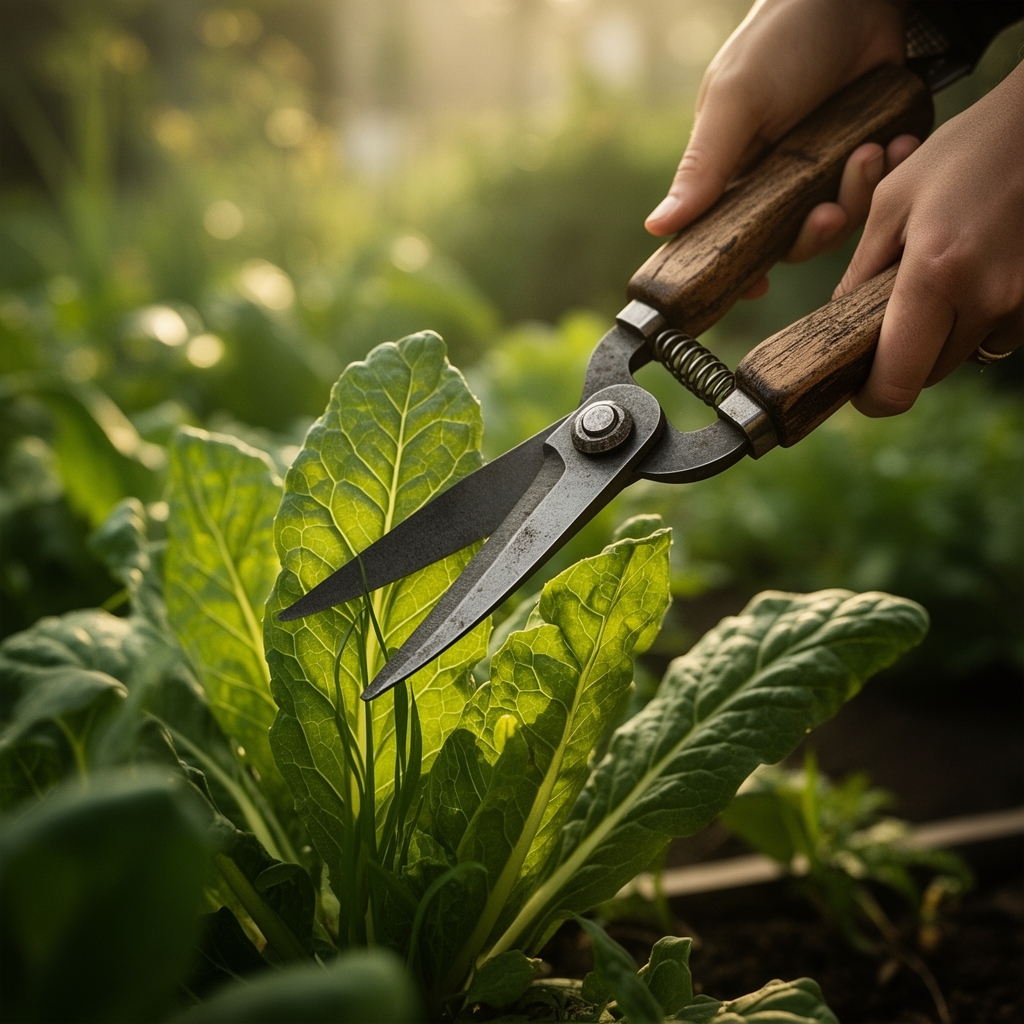
Using a garden shears for vegetable grass cutting begins with understanding blade geometry and cutting mechanics. Sharp bypass blades create clean wounds that heal faster, reducing disease entry points along border edges. The 45-degree cutting angle minimizes tissue crush while maintaining the architectural precision needed for formal vegetable bed boundaries. Hand shears with carbon steel blades retain their edge through 200 linear feet of cutting before requiring resharpening, making them essential for maintaining the crisp delineation between growing zones and pathways.
Materials and Soil Preparation
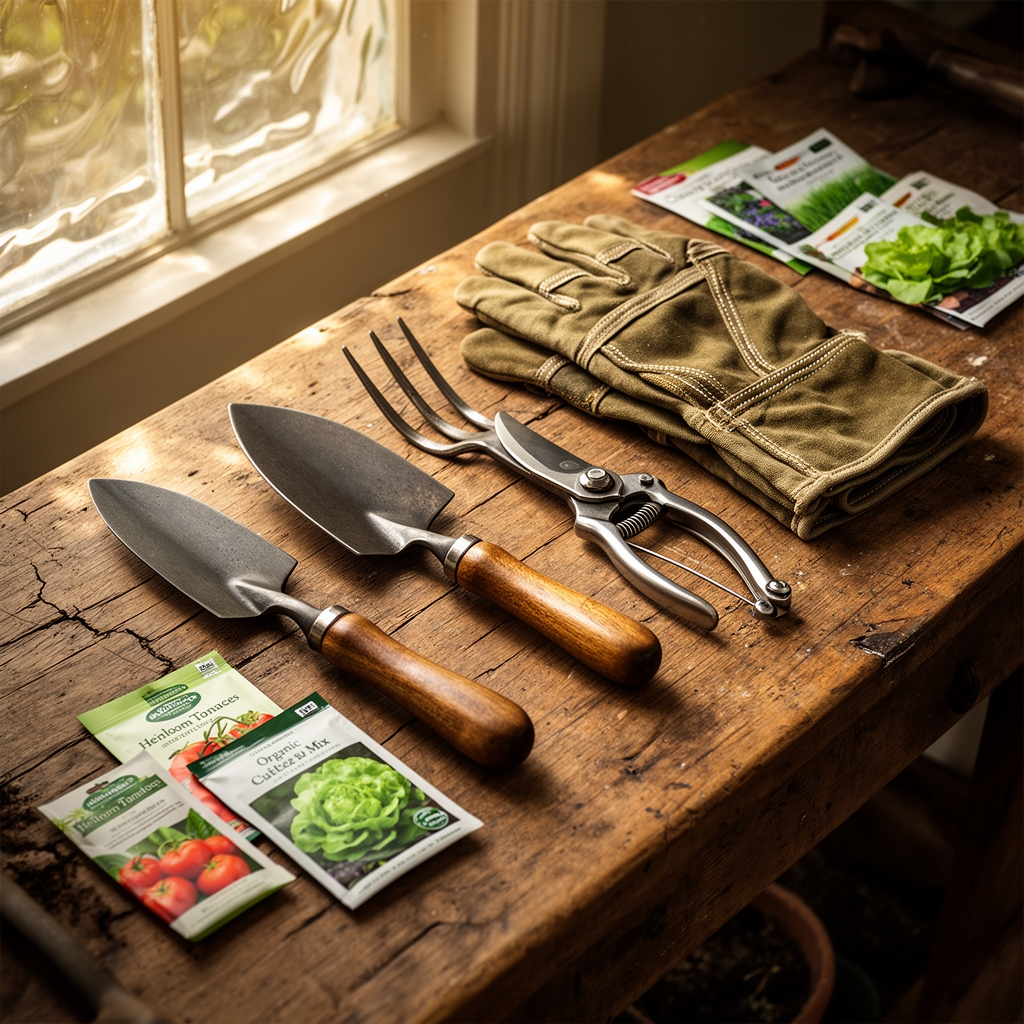
Border maintenance demands tools matched to plant physiology. Bypass shears with 8-inch blades handle herbaceous stems up to 0.5 inches in diameter. Anvil shears crush tissue and belong elsewhere. Whetstone with 1000-grit surfaces maintain the 20-degree bevel angle needed for clean cuts.
Soil along borders benefits from amendments that support dense growth without encouraging excessive vegetative expansion. A 5-5-5 balanced organic fertilizer applied at 2 pounds per 100 square feet establishes steady nutrient availability. Cation exchange capacity above 10 meq/100g ensures consistent mineral access throughout the growing season. Soil pH between 6.2 and 6.8 optimizes nutrient uptake for most border vegetables including lettuce, beet greens, and parsley.
Compost aged 12 months provides microbial diversity. Incorporate 2 inches worked to 6-inch depth. Mycorrhizal fungi inoculation at 0.25 ounces per plant establishes symbiotic relationships that improve phosphorus uptake by 40 percent.
Timing and Climate Considerations
Hardiness zones dictate border trimming schedules. Zones 3-5 require final shaping six weeks before first frost to prevent tender regrowth from winter damage. Zones 6-8 allow trimming through October. Zones 9-11 maintain year-round schedules tied to dry season cycles.
Spring trimming begins when soil temperatures reach 50°F at 2-inch depth. This coincides with renewed auxin distribution from roots to shoots. Cutting before this threshold stresses plants by removing carbohydrate reserves before photosynthetic capacity rebuilds.
Last frost dates determine initial border establishment. Direct sow fast-growing border crops like arugula and cress 14 days before last frost. Transplant cold-hardy varieties including cabbage and kale 21 days before last frost when roots can establish before heat stress arrives.
Growth Phases and Trimming Techniques

Establishment Phase (Weeks 1-4): New borders require selective trimming to encourage lateral branching. Remove terminal growth when plants reach 6 inches, cutting 0.25 inches above leaf nodes. This redirects auxin to axillary buds, producing bushier growth patterns ideal for border density.
Pro-Tip: Sterilize blades between cuts with 70 percent isopropyl alcohol to prevent transmission of bacterial soft rot and damping-off fungi.
Active Growth Phase (Weeks 5-12): Weekly trimming maintains border height at 8-12 inches depending on species. Cut in early morning when turgor pressure is highest. This reduces wilting and allows wounds to suberize during peak daylight hours. Remove no more than one-third of total foliage per session to preserve photosynthetic capacity.
Pro-Tip: Angle cuts away from the border interior at 30 degrees. This prevents water accumulation on cut surfaces and reduces botrytis infection rates by 60 percent.
Maturity and Succession (Week 13+): Border plants reach harvest maturity on staggered schedules. Remove entire plants at soil level when productivity declines. This creates gaps for succession plantings of quick-maturing crops like radish greens or baby bok choy. Interplant replacements 14 days before removal to ensure continuous border coverage.
Pro-Tip: Apply 1 tablespoon of 2-4-3 transplant fertilizer to each new planting hole. The elevated phosphorus supports rapid root establishment in previously occupied soil.
Troubleshooting Common Issues
Symptom: Yellowing lower leaves with green veins.
Solution: Iron deficiency from high pH. Apply chelated iron at 1 ounce per gallon, drenching soil. Retest pH and amend with elemental sulfur at 0.5 pounds per 100 square feet to lower by 0.5 units.
Symptom: Ragged leaf edges with silvery trails.
Solution: Slug feeding damage. Apply iron phosphate bait at 0.5 pounds per 1,000 square feet. Reapply after rain. Remove mulch within 3 inches of stems to reduce habitat.
Symptom: White powdery coating on leaf surfaces.
Solution: Powdery mildew fungal infection. Spray with 1 tablespoon baking soda plus 0.5 teaspoon horticultural oil per gallon water. Apply at sunset to avoid phytotoxicity. Improve air circulation by thinning plants to 6-inch spacing.
Symptom: Sudden wilting despite adequate moisture.
Solution: Bacterial wilt transmitted by cucumber beetles. Remove and destroy affected plants. Apply neem oil at 2 tablespoons per gallon weekly to deter vectors. No chemical cure exists.
Ongoing Maintenance Protocols
Water borders with 1 inch per week measured at soil level. Drip irrigation reduces foliar disease by 75 percent compared to overhead methods. Apply water in single weekly sessions rather than frequent light applications to encourage deep rooting.
Fertilize every 21 days with liquid 3-1-2 fish emulsion at half package strength. This provides nitrogen for leafy growth without excessive phosphorus that encourages bolting.
Inspect borders every 48 hours for pest activity. Early detection reduces intervention intensity. Document trimming dates and growth rates to optimize timing in subsequent seasons.
Frequently Asked Questions
How often should I sharpen my shears?
Sharpen after every 200 linear feet of cutting or when blades crush rather than slice stems. Use a whetstone at the original factory angle, typically 20 degrees.
Can I trim wet plants?
No. Water on leaf surfaces spreads pathogens between cuts. Wait until foliage dries completely, usually 3 hours after rain or dew.
What time of day is best for trimming?
Early morning between 6-9 AM when turgor pressure peaks but dew has evaporated. Avoid afternoon heat that increases plant stress.
Should I remove all trimmed material?
Yes. Composting trimmings prevents disease carryover and removes pest habitat. Never leave cuttings on soil surface where they harbor slugs and fungal spores.
How do I prevent gaps in borders?
Succession plant every 14 days and maintain 15 percent overplanting. Trim strategically to hide gaps behind fuller growth until replacements establish.