6 Pet-Friendly Steps to Prepare a Safe Vegetable Garden
Learning how to prepare a garden for a pet friendly vegetable garden begins with understanding that dogs and cats interact with soil through digging, rolling, and occasional ingestion. Their paws carry oils and bacteria that alter surface pH by 0.3 to 0.7 units within the first growing season. Choosing non-toxic amendments, excluding hazardous plants like onions and garlic, and creating physical barriers transforms a standard vegetable plot into a space where pets roam safely while crops thrive. This preparation requires deliberate material selection, timing, and layout design that addresses both plant nutrition and animal behavior.
Materials
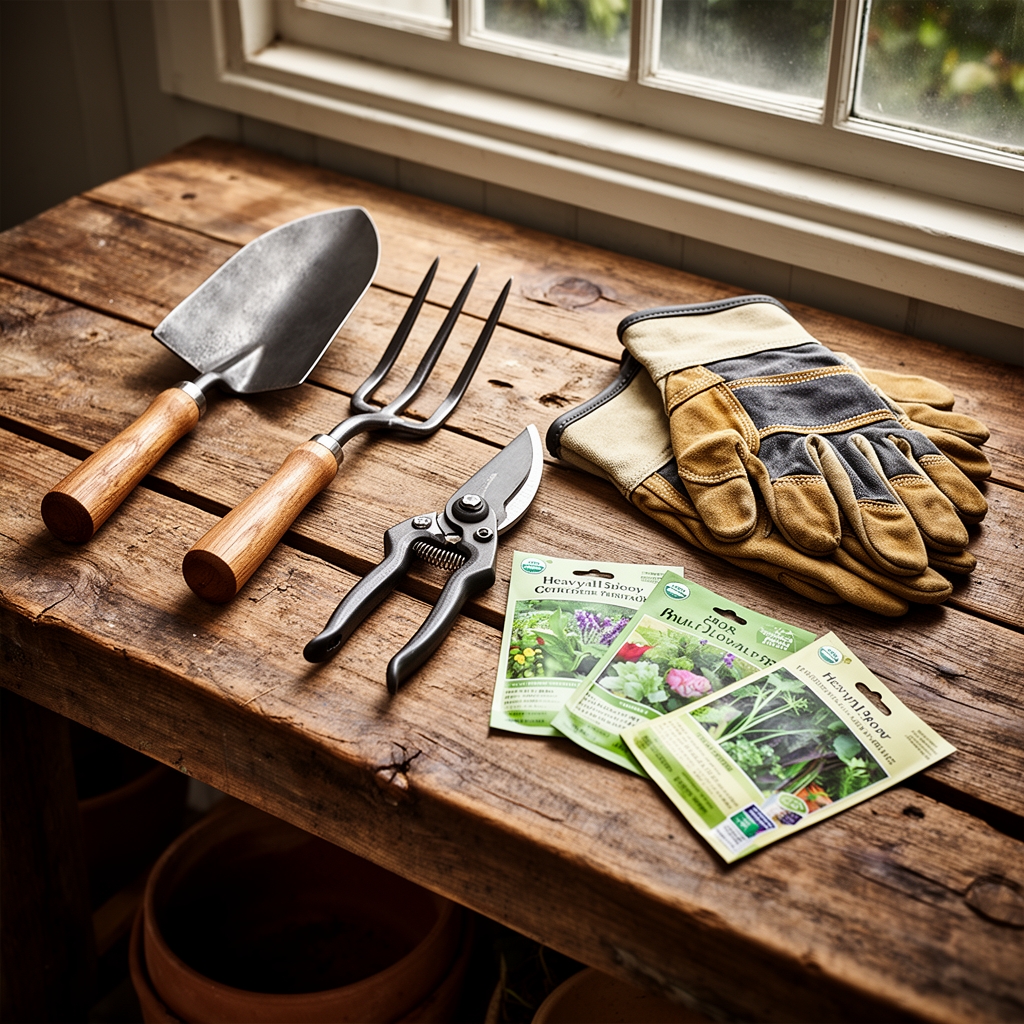
Soil amendments must deliver balanced nutrition without introducing compounds toxic to mammals. A 4-4-4 organic meal blended from alfalfa, bone char, and kelp provides nitrogen, phosphorus, and potassium while maintaining a cation exchange capacity above 12 meq/100g. Avoid blood meal and cocoa hull mulch entirely. Blood meal contains iron levels that trigger gastrointestinal distress in dogs, and cocoa hulls contain theobromine, the same alkaloid that makes chocolate toxic.
Lime or sulfur adjusts pH to the 6.2 to 6.8 range that suits most vegetables. Dolomitic lime raises pH while adding magnesium; elemental sulfur lowers it without risk to pets. Compost aged for 90 days at internal temperatures above 131°F eliminates pathogens and reduces ammonia volatility. A 2-inch compost layer increases organic matter by 1.5 to 2 percent annually.
Fencing requires openings smaller than 2 inches if rabbits share the environment. Galvanized welded wire with a 1-inch by 2-inch grid, buried 6 inches deep, excludes digging attempts. Cedar posts resist decay for 12 to 15 years without pressure treatment chemicals. For raised beds, untreated cedar or composite lumber eliminates arsenic and chromium leaching found in older treated woods.
Mulch options include straw, shredded leaves, or pine needles. Straw decomposes slowly and permits air exchange. Pine needles acidify soil by 0.1 to 0.2 pH units per season, beneficial around blueberries but requiring monitoring near tomatoes.
Timing
Hardiness zones dictate when soil temperatures permit safe seed germination. Zone 5 gardens begin warm-season crops like tomatoes and peppers only after the last frost date, typically May 10 to May 20. Soil must reach 60°F at a 2-inch depth, measured with a soil thermometer at 8 a.m. for three consecutive mornings.
Cool-season vegetables, including lettuce, kale, and peas, tolerate 40°F soil and can be direct-sown three to four weeks before the last frost. In Zone 7, this window opens in mid-March. Zone 9 gardeners sow cool-season crops from October through February to avoid summer heat stress.
Pet activity peaks in spring. Schedule heavy soil preparation when animals can be temporarily relocated or confined to reduce compaction. Compacted soil exhibits bulk density above 1.6 g/cm³, restricting root penetration and reducing mycorrhizal colonization by 40 percent.
Phases
Sowing
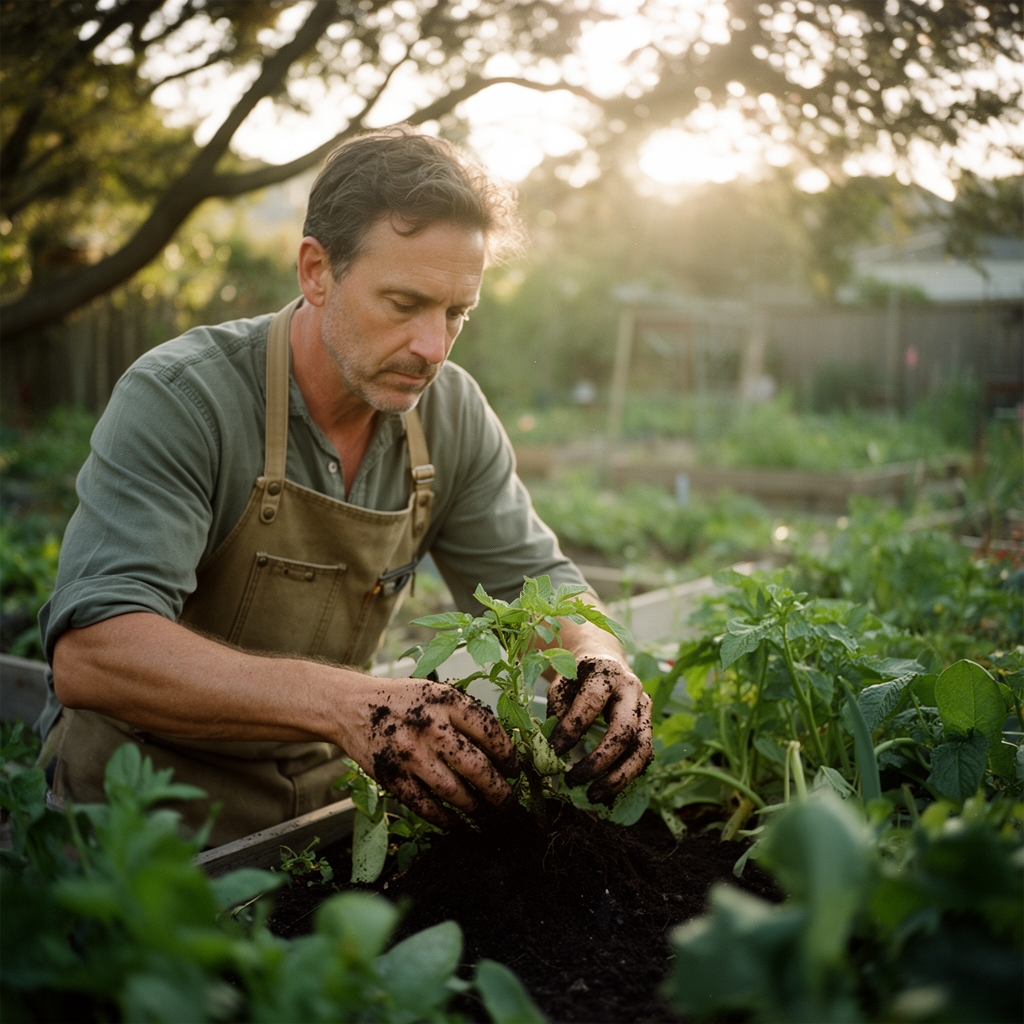
Direct sowing begins after soil preparation and pH adjustment. Create furrows at depths twice the seed diameter. Carrot seeds require 0.25-inch depth; bean seeds need 1 inch. Firm soil contact accelerates imbibition, the water uptake phase that initiates germination within 48 to 72 hours for most species.
Space rows 18 to 24 inches apart to allow dogs to walk between them without crushing seedlings. Mark rows with untreated wooden stakes and natural twine. Avoid synthetic markers that pets may chew.
Pro-Tip: Inoculate legume seeds with Rhizobium bacteria before sowing. This symbiotic relationship fixes atmospheric nitrogen at rates of 50 to 150 pounds per acre, reducing fertilizer dependency by 30 percent.
Transplanting
Harden off seedlings by exposing them to outdoor conditions for 60 minutes daily, increasing by 30-minute increments over seven days. This process thickens cuticle layers and increases stomatal control. Transplant on overcast days or in late afternoon to minimize transplant shock.
Dig holes 1.5 times the root ball width. Set tomato transplants deep enough to bury stems up to the first true leaves. Adventitious roots emerge from buried stem tissue within 10 days, improving anchorage and water uptake.
Pro-Tip: Apply a starter solution of fish emulsion diluted to 5-1-1 NPK ratio at 1 cup per plant. This delivers auxin precursors that accelerate root hair formation.
Establishing
Water transplants with 0.5 gallons per plant immediately after planting, then reduce to 1 inch per week. Drip irrigation maintains consistent soil moisture at 60 to 70 percent field capacity, the ideal range for vegetable root systems. Overhead watering encourages foliar diseases and attracts pets to wet soil.
Install low barriers using 12-inch bamboo stakes and burlap around beds for the first 21 days. This visual cue deters dogs from entering beds without creating a permanent obstacle.
Pro-Tip: Mulch after soil warms to 65°F, not before. Early mulch application delays soil warming by 7 to 10 days and slows microbial activity that mineralizes nitrogen.
Troubleshooting
Symptom: Yellowing lower leaves with green veins on tomatoes.
Solution: Magnesium deficiency, common in sandy soils. Dissolve 1 tablespoon Epsom salt per gallon of water. Apply 1 quart per plant biweekly for three applications. Retest soil pH; values above 7.5 lock out magnesium despite adequate reserves.
Symptom: Wilting plants with soil moisture present and bite marks on stems.
Solution: Mechanical damage from pet chewing disrupts xylem transport. Prune damaged tissue at a 45-degree angle below the injury. Apply rooting hormone to exposed cambium if structural stems remain. Install temporary fencing or apply bitter apple spray (non-toxic) to nearby stakes as a deterrent.
Symptom: Stunted growth with purple leaf undersides in corn and beans.
Solution: Phosphorus deficiency, exacerbated by cold soil below 55°F. Phosphorus availability drops 50 percent at temperatures below this threshold. Apply bone char at 2 pounds per 100 square feet. Incorporate mycorrhizal fungi inoculant at transplanting; these fungi extend root surface area by 100 to 1,000 times, accessing immobile phosphorus.
Symptom: Brown leaf edges on lettuce and kale with salt-like residue.
Solution: Tip burn from calcium deficiency during rapid growth. Calcium moves via xylem; insufficient transpiration in humid conditions limits transport. Increase air circulation with 18-inch spacing. Side-dress with gypsum (calcium sulfate) at 1 pound per 10 feet of row. Water consistently to maintain calcium flow.
Symptom: Holes in leaves with silvery trails but no visible insects.
Solution: Slug activity, common in mulched gardens. Slugs secrete mucus trails and feed nocturnally. Remove mulch 3 inches from plant bases to reduce harborage. Place shallow dishes of beer 20 feet apart; yeast attracts slugs, which drown. Diatomaceous earth forms a physical barrier but requires reapplication after rain.
Maintenance
Apply 1 inch of water per week, measured with rain gauges placed at bed corners. Water in early morning between 5 and 8 a.m. This timing reduces foliar disease incidence by 60 percent compared to evening watering.
Side-dress plants with compost at flowering onset. Tomatoes and peppers require 0.5 pounds of 4-4-4 organic blend per plant when first flowers open. Leafy greens benefit from 0.25 pounds of alfalfa meal per square foot every three weeks, providing slow-release nitrogen at 2.5 percent concentration.
Prune indeterminate tomatoes to a single leader by removing suckers when they reach 2 inches. This concentrates auxin distribution and increases fruit size by 15 to 20 percent. Remove lower leaves up to the first fruit cluster after plants reach 18 inches to improve air circulation and reduce soil-borne pathogen splash.
Scout for pests twice weekly. Inspect leaf undersides and stem nodes. Hand-pick tomato hornworms; their large size makes detection straightforward. Release lacewing larvae at 5,000 per acre for aphid control. Lacewings consume 200 aphids each during larval development.
FAQ
Can I use grass clippings as mulch in a pet-friendly garden?
Yes, if the lawn has not been treated with herbicides or synthetic fertilizers for 60 days. Clippings should be dried for 48 hours before application to prevent matting and anaerobic decomposition. Apply a 1-inch layer; thicker applications generate heat that damages plant crowns.
Which vegetables are completely safe if my dog eats them?
Carrots, green beans, cucumbers, zucchini, and peas contain no compounds toxic to dogs. Avoid tomatoes and peppers until fruits ripen; green tissues contain solanine and capsaicin respectively. All alliums including onions, garlic, and chives cause hemolytic anemia in dogs and must be excluded.
How deep should I bury fence wire to stop digging?
Bury galvanized wire 6 inches deep and bend the bottom 3 inches outward at a 90-degree angle. This L-shape prevents dogs from digging under the barrier. Terriers and other determined diggers may require 8-inch depth.
When should I test soil pH again after initial amendment?
Retest pH 30 days after lime or sulfur application. Microbial activity and chemical reactions require this interval to reach equilibrium. Test again at the start of each growing season. Organic matter decomposition and fertilizer applications shift pH by 0.2 to 0.5 units annually.
Is cedar mulch safe for pets?
Cedar chips are safe once aged for 90 days. Fresh cedar contains phenols and plicatic acid that irritate mucous membranes. Aged chips lose volatile compounds while retaining insect-repellent properties. Apply a 2-inch layer, keeping chips 4 inches from plant stems to prevent crown rot.