6 Ways to Prepare a High-Humidity Tropical Plant Shelf
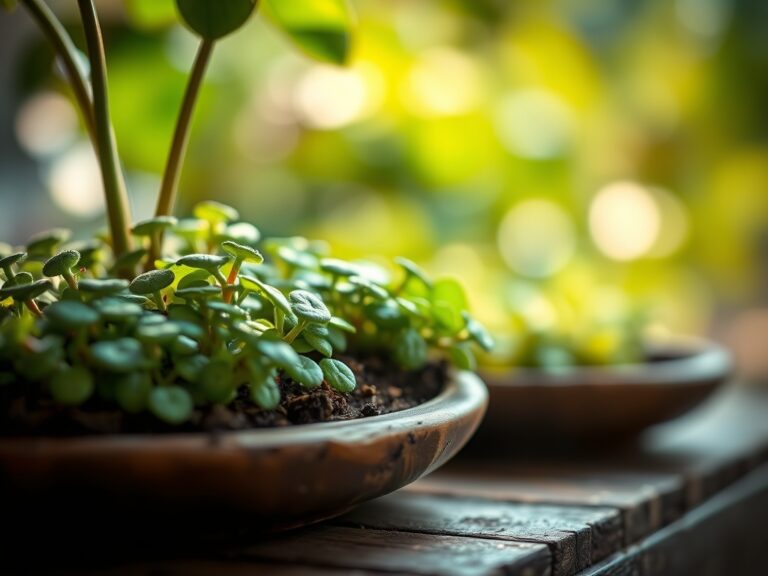
Learning how to prepare a plant shelf for tropicals begins with understanding that most species native to rainforests and humid zones require sustained relative humidity between 60% and 85%, stable temperatures of 65–80°F, and substrates with cation exchange capacity above 15 meq/100g. These plants evolved under dense canopies where moisture accumulates, light filters through layers of leaves, and epiphytes cling to bark with minimal root systems. A dedicated shelf transforms indoor conditions into a controlled microclimate that mimics these ecological parameters without the expense of a full conservatory.
Materials
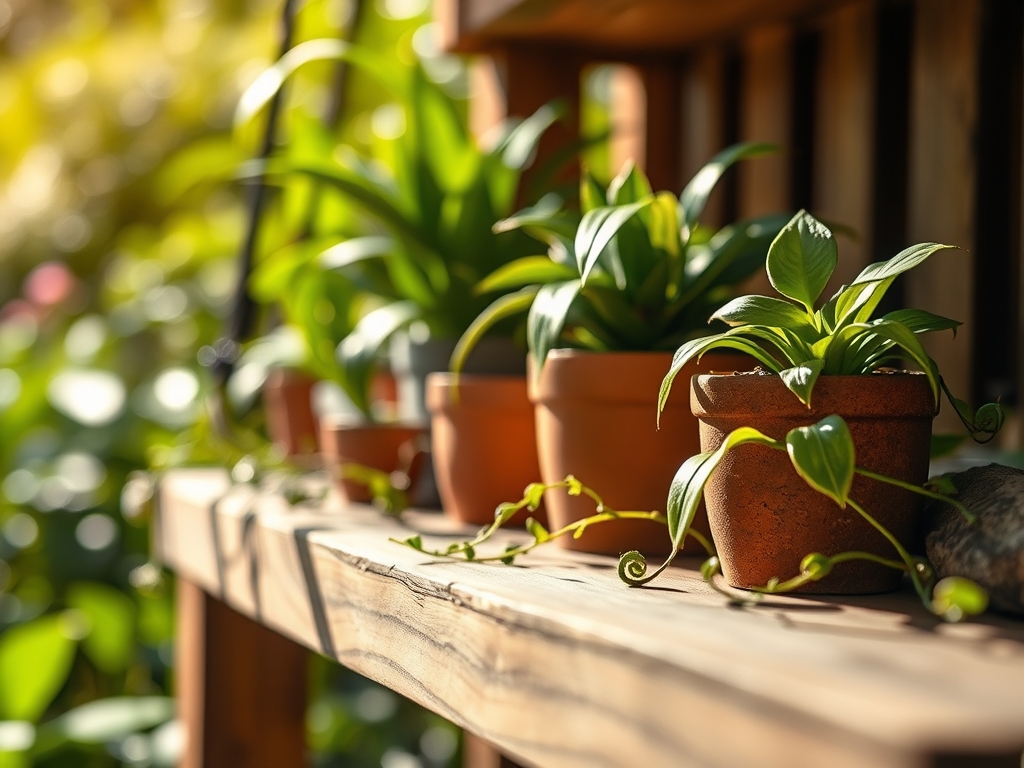
Select a shelving unit constructed from powder-coated steel or sealed hardwood to resist moisture damage. Wire racks allow excess water to drain but may require acrylic panels beneath pots to protect flooring. Position the unit 18–24 inches from a north or east-facing window to prevent direct sun scorch.
Substrate Components by pH:
- Sphagnum peat moss (pH 3.5–4.5): Retains 10–20 times its dry weight in water.
- Orchid bark (pH 5.0–6.0): Provides aeration for epiphytic roots.
- Coco coir (pH 5.8–6.8): Renewable alternative with moderate nutrient retention.
- Perlite (pH 7.0–7.5): Inert mineral aggregate for drainage.
Fertilizer Ratios:
- 3-1-2 (NPK) liquid feed for foliage growth: Apply at 150 ppm nitrogen biweekly during active growth.
- 4-4-4 organic meal for slow release: Top-dress 1 tablespoon per 6-inch pot every eight weeks.
- Calcium-magnesium supplement at 100 ppm to prevent interveinal chlorosis in Aroids.
Humidity and Lighting Equipment:
- Ultrasonic humidifier with 1.5-gallon reservoir and adjustable mist output.
- Full-spectrum LED grow lights (6500K color temperature, 200–400 footcandles at canopy level).
- Hygrometer with data logging to track daily fluctuations.
Timing
In USDA Hardiness Zones 9–11, outdoor acclimatization can begin after the last spring frost when nighttime temperatures stabilize above 55°F. For Zones 3–8, maintain indoor shelves year-round with seasonal adjustments to photoperiod. Initiate shelf preparation in late winter (February–March) to align with increasing daylength. This timing leverages natural auxin distribution as plants exit dormancy and allocate resources to new leaf primordia.
Tropical species respond to humidity changes within 48–72 hours. Establish stable conditions two weeks before introducing plants to reduce transplant shock and allow mycorrhizal fungi to colonize substrates.
Phases
Substrate Preparation:
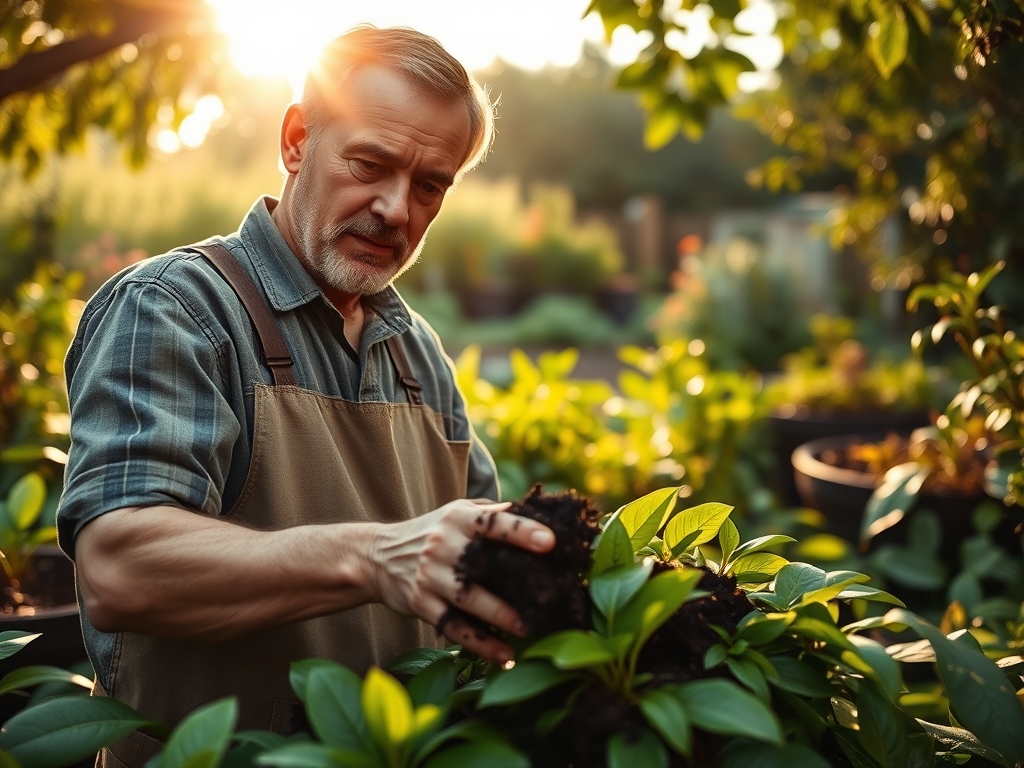
Mix 40% orchid bark, 30% sphagnum peat, 20% perlite, and 10% worm castings by volume. Moisten the blend to 50% water-holding capacity. Inoculate with 1 teaspoon of ectomycorrhizal spore powder per gallon of mix. Allow the substrate to rest for 72 hours at 70°F to activate microbial colonies.
Pro-Tip: Pre-soak sphagnum peat in water adjusted to pH 6.0 with dolomitic lime to neutralize acidity before blending. This prevents substrate pH from dropping below 5.5 and interfering with phosphorus uptake.
Shelf Installation:
Mount LED fixtures 12–18 inches above the top shelf surface. Wire the humidifier to a programmable timer set for 15-minute misting intervals every two hours during daylight. Line each shelf with waterproof trays at least 2 inches deep to catch runoff. Install adhesive cable clips to route electrical cords away from water sources.
Pro-Tip: Angle grow lights 15 degrees toward the rear of the shelf to compensate for natural light from windows. This prevents leggy growth on back-facing stems.
Plant Introduction and Establishment:
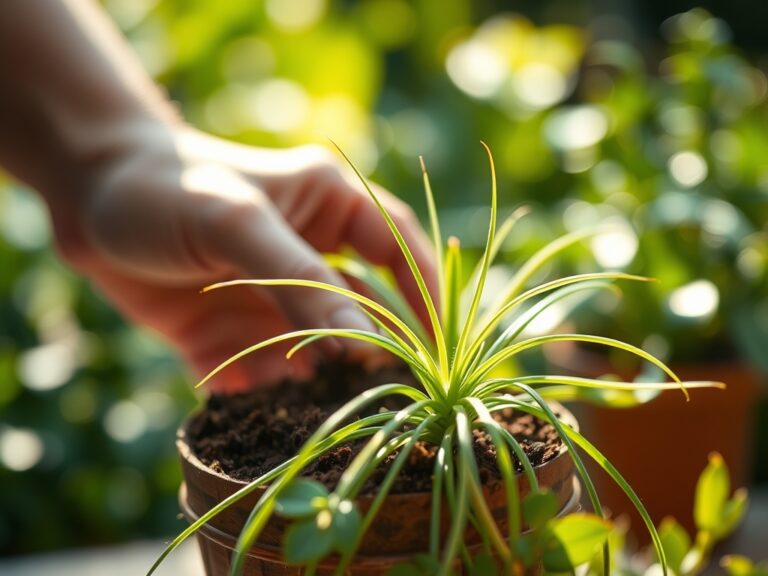
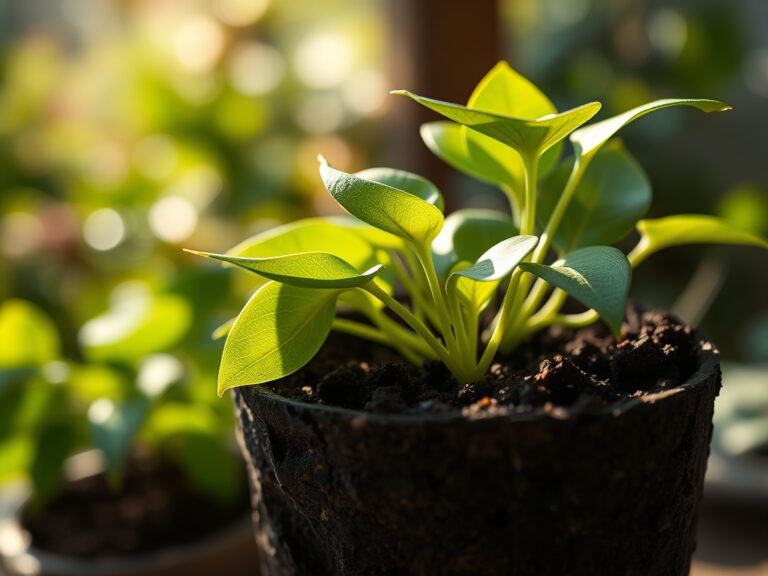
Transplant specimens into pots one size larger than nursery containers. Firm substrate around root balls with enough pressure to eliminate air pockets but not compact the mix. Water until liquid drains from pot bottoms. Set pots on inverted saucers or humidity pebbles to elevate roots above standing water. Run the humidifier continuously for the first week to maintain 75% relative humidity, then reduce to intermittent cycles.
Pro-Tip: Trim any circling roots at 90-degree angles with sterilized pruners. Straight cuts encourage lateral branching and improve anchorage within three weeks.
Troubleshooting
Symptom: Yellowing lower leaves with brown, crispy margins.
Solution: Low humidity (below 50%) causes excessive transpiration. Increase misting frequency or add a secondary humidifier. Check that air vents are not directing dry air onto the shelf.
Symptom: White, cottony masses on leaf axils and stems.
Solution: Mealybug infestation. Swab insects with isopropyl alcohol on cotton swabs. Spray affected plants with insecticidal soap at 2% concentration every five days for three applications.
Symptom: Leaf tips turning black and mushy.
Solution: Overwatering combined with poor drainage. Reduce irrigation to allow the top 1 inch of substrate to dry. Repot in a mix with 30% perlite content.
Symptom: Stunted growth and pale new leaves despite fertilization.
Solution: Nutrient lockout from substrate pH above 7.0. Flush pots with distilled water. Amend with elemental sulfur at 1 teaspoon per gallon of mix to lower pH to 6.0–6.5 over four weeks.
Symptom: Brown, sunken lesions on stems at soil line.
Solution: Pythium root rot from contaminated substrate. Remove affected plants. Drench remaining pots with a fungicide containing mefenoxam at labeled rates. Sterilize tools and trays with 10% bleach solution.
Maintenance
Water when the top 1 inch of substrate feels dry to the touch, typically every 4–7 days depending on species and season. Deliver water at room temperature until 10% of the volume drains from the bottom. Empty catch trays within 30 minutes to prevent root asphyxiation.
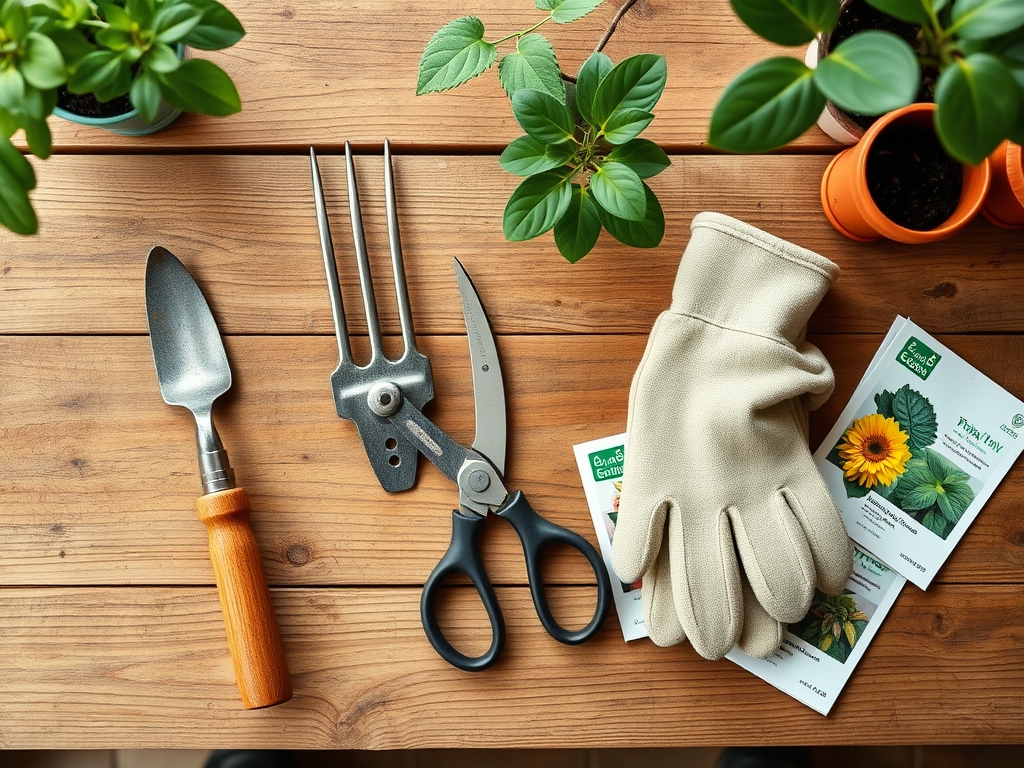
Wipe dust from leaves monthly with a damp microfiber cloth to maintain photosynthetic efficiency. Rotate pots 90 degrees weekly to ensure even light exposure and symmetrical growth. Prune dead or damaged foliage at the petiole base using sterilized shears.
Monitor substrate pH every eight weeks with a slurry test: mix 1 part soil with 2 parts distilled water, let settle for 10 minutes, then measure with a calibrated meter. Adjust pH with lime (to raise) or sulfur (to lower) as needed.
Replace grow lights after 20,000 hours of operation, approximately two years of continuous use, as spectral output degrades even when bulbs remain lit.
FAQ
How often should I run the humidifier?
Operate in 15-minute intervals every two hours from 8 AM to 8 PM. At night, reduce to one cycle every four hours to prevent fungal issues.
Can I use tap water for misting?
Only if total dissolved solids measure below 150 ppm. Higher mineral content leaves white deposits on foliage. Use distilled or reverse-osmosis water for sensitive species like Calathea.
What relative humidity reading indicates successful shelf preparation?
Maintain 65–75% for most tropicals. Epiphytic orchids and bromeliads tolerate 55–65%, while Anthuriums prefer 70–85%.
How do I prevent algae growth on the substrate surface?
Apply a 0.5-inch layer of fine orchid bark or horticultural sand as a top dressing. This blocks light penetration while allowing gas exchange.
When should I increase fertilizer concentration?
During peak growing season (May–August), raise nitrogen to 200 ppm for fast-growing Aroids and Marantaceae. Return to 150 ppm in fall as photoperiod shortens.