9 Benefits of Specialized African Violet Soil for Roots
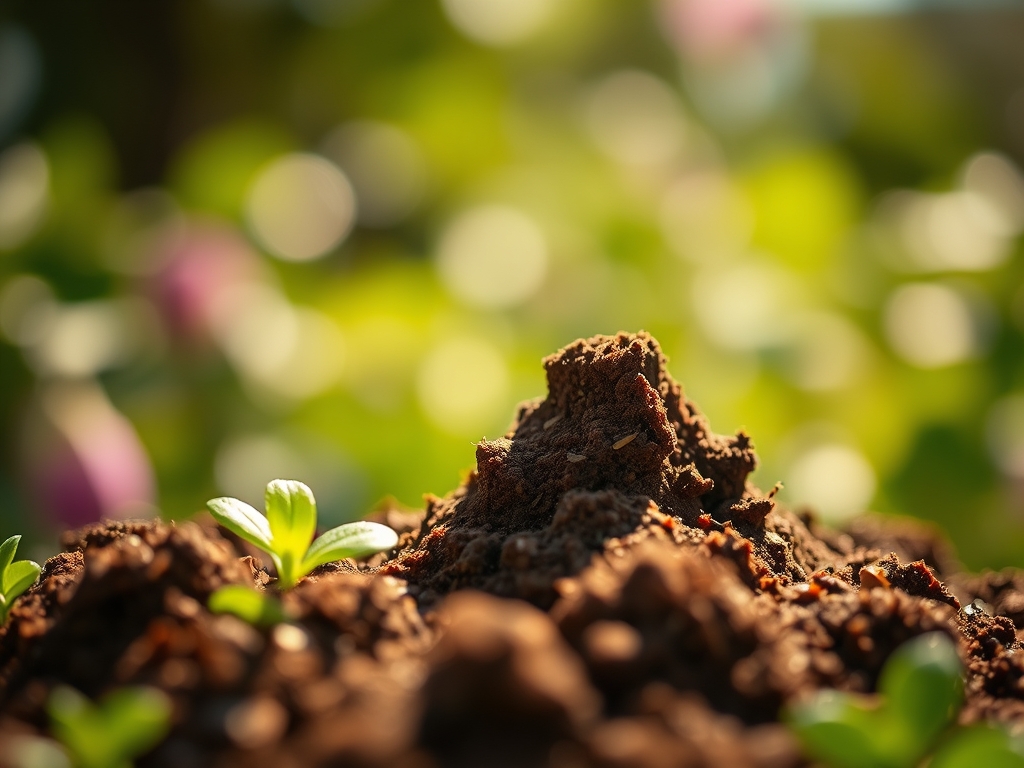
The scent of damp peat and perlite signals a healthy rhizosphere. When you press a Saintpaulia leaf between your fingers, the snap of high turgor pressure confirms the vascular system is functioning at peak efficiency. This cellular rigidity depends entirely on the osmotic balance within the growing medium. Using a specialized violet soil ensures the delicate, fibrous root systems of these Gesneriads do not succumb to anaerobic conditions or salt toxicity. Standard potting mixes often possess a bulk density that is too high; this crushes the fine root hairs and prevents gas exchange. A professional substrate provides the specific porosity required for oxygen to reach the root zone while maintaining a consistent moisture film. By prioritizing the structural integrity of the media, a grower prevents the onset of root senescence and ensures the plant can actively transport phosphorus and potassium to the apical meristem. This technical foundation is the difference between a plant that merely survives and one that dominates its microclimate with consistent floriferous cycles.
Materials:
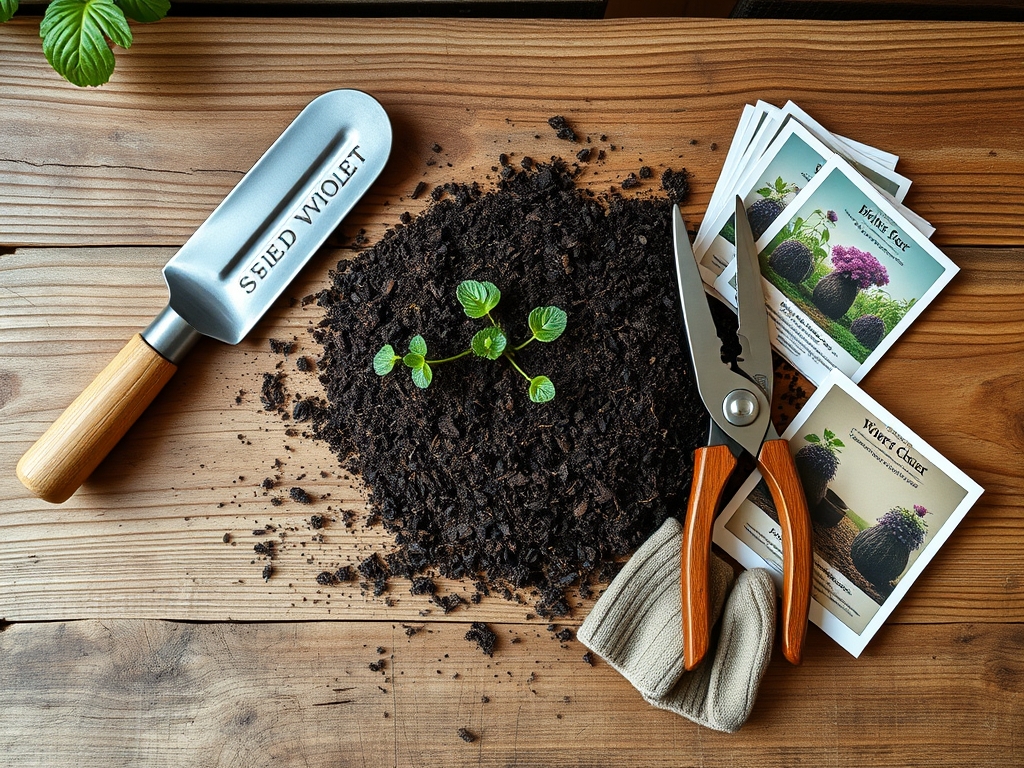
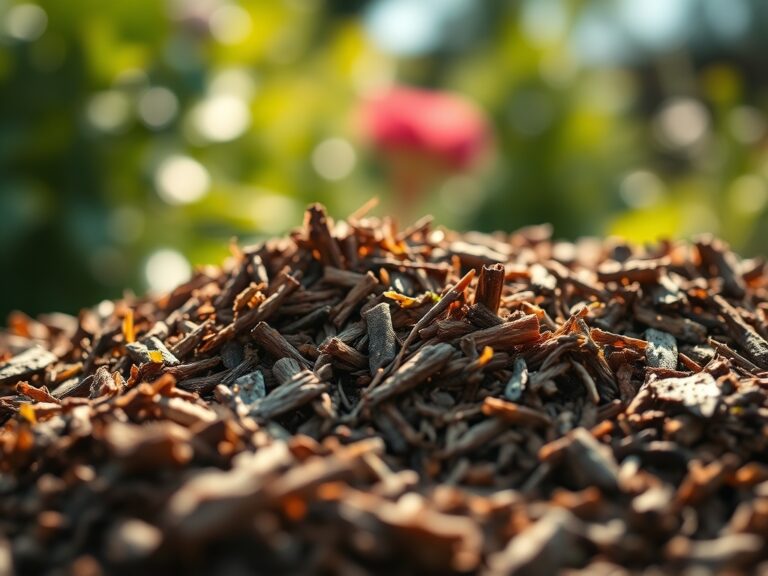
The ideal substrate for African Violets is a **friable loam** substitute, typically composed of **50 percent granulated peat moss, 25 percent perlite, and 25 percent vermiculite**. This specific ratio targets a **pH range of 5.8 to 6.2**, which is the window for maximum nutrient bioavailability. If the pH drifts above 7.0, iron and manganese become chemically locked, leading to interveinal chlorosis.
Nutrient profiles must remain lean to avoid burning the sensitive root tips. Look for an initial NPK ratio of 1-2-1 or similar low-analysis organic starters. High Nitrogen concentrations (above 10 percent) in the soil can inhibit bloom development and cause "bulling," where foliage becomes excessively brittle and distorted. The Cation Exchange Capacity (CEC) of the peat and vermiculite components allows the soil to hold onto positively charged ions like Potassium (K+) and Calcium (Ca2+), releasing them slowly as the roots demand.
Timing:
African Violets are typically grown indoors, making USDA Hardiness Zones secondary to internal climate control. However, they thrive best when ambient temperatures remain between 65 and 80 degrees Fahrenheit. The biological clock of the Saintpaulia is driven by photoperiod and temperature stability. To trigger the transition from vegetative growth to the reproductive stage, the plant requires 12 to 14 hours of light followed by at least 8 hours of total darkness.
In temperate regions, the "spring flush" occurs as natural light intensity increases. You should aim to repot or refresh the specialized soil every 6 to 12 months. This timing prevents the accumulation of fertilizer salts, which manifest as a crusty orange or white deposit on the soil surface. If the soil age exceeds one year, the peat begins to decompose and collapse; this reduces the air-filled porosity and suffocates the root system.
Phases:
Sowing and Propagation
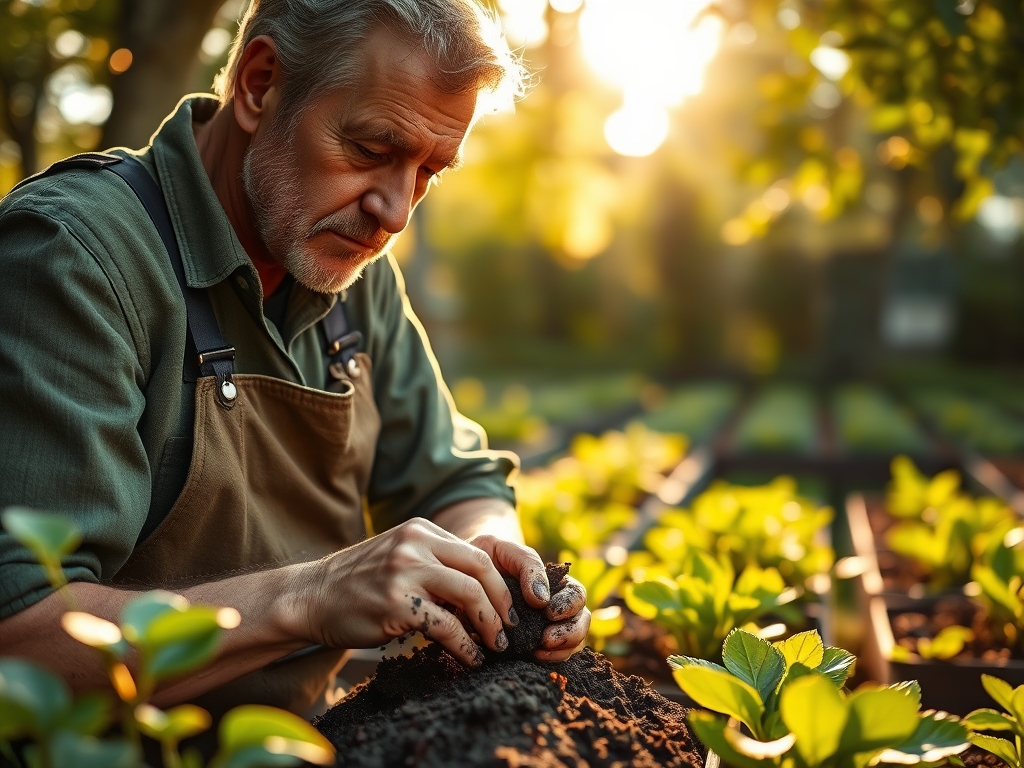
Starting African Violets from leaf cuttings requires a sterile, low-nutrient medium. Insert the petiole at a 45-degree angle into the specialized soil, ensuring the leaf blade does not touch the surface to prevent fungal pathogens. Keep the humidity at 70 to 80 percent using a clear dome.
Pro-Tip: The 45-degree angle maximizes the surface area for callus formation. This stimulates the accumulation of auxins at the base of the petiole, which triggers the differentiation of undifferentiated cells into root primordia.
Transplanting
When the "plantlets" or "mousies" reach 0.5 inches in height, they are ready for individual pots. Gently tease the root systems apart. Using a specialized violet soil during this transition reduces transplant shock because the light texture allows the fragile roots to penetrate the new medium with minimal energy expenditure.
Pro-Tip: Avoid packing the soil down. Maintaining macropores in the substrate is essential for mycorrhizal symbiosis, where beneficial fungi extend the root system's reach for water and phosphorus.
Establishing
Once the plant is in its permanent vessel, focus on stabilizing the root ball. Use a soil moisture meter to ensure the core remains damp but not saturated. The plant is established when new growth emerges from the center crown, indicating that the xylem and phloem are successfully transporting nutrients from the specialized soil to the foliage.
Pro-Tip: Consistent moisture levels prevent abscisic acid spikes. This hormone is produced during drought stress and causes the plant to drop its flower buds prematurely to conserve water.
The Clinic:
Symptom: Lower leaf yellowing (Nitrogen Chlorosis)
Solution: This occurs when the soil is depleted of nitrogen or the pH is too low.
Fix-It: Flush the pot with distilled water to remove salt buildup, then apply a balanced 20-20-20 water-soluble fertilizer at 1/4 strength. Ensure the specialized soil has not become compacted.
Symptom: Crown Rot (Pythium or Phytophthora)
Solution: The center of the plant turns brown and mushy. This is a result of poor drainage.
Fix-It: Remove the plant from the pot and cut away necrotic tissue with a sterilized hori-hori knife. Repot in a fresh mix with increased perlite content to improve aeration.
Symptom: Tight, brittle center leaves
Solution: This is often caused by excessive light or a buildup of fertilizer salts in the substrate.
Fix-It: Move the plant further from the light source and leach the soil by running room-temperature water through it for three minutes.
Maintenance:
Precision is mandatory for long-term health. Supply approximately 1 ounce of water every three to four days, or whenever the top 0.5 inches of soil feels dry to the touch. Avoid overhead watering; moisture on the foliage can cause necrotic spotting. Use a soil moisture meter to verify the moisture levels at the bottom of the pot.
Pruning is a clinical necessity. Use bypass pruners or small floral snips to remove spent blooms and the bottom row of older leaves (senescence). This redirects the plant's energy toward the crown. If the plant develops a "neck" (an exposed trunk), use a hori-hori knife to scrape the woody exterior and repot it deeper into fresh specialized soil to encourage new adventitious roots.
The Yield:
While African Violets are not edible, their "yield" is measured in bloom count and foliage symmetry. For exhibition-quality plants, remove all flower stalks for three months to allow the plant to focus on leaf diameter. When you allow it to bloom, you will see a massive, synchronized flush of flowers. To maintain "day-one" freshness of the blooms, keep the humidity near 50 percent and avoid sudden temperature fluctuations, which can cause "blasting" or premature flower drop.
FAQ:
Why can't I use regular potting soil?
Regular soil is too dense and lacks the porosity required for African Violet roots. It retains excessive water, leading to anaerobic conditions and root rot. Specialized soil uses peat and perlite to ensure proper gas exchange and drainage.
What is the ideal pH for violet soil?
The ideal pH is between 5.8 and 6.2. This slightly acidic range ensures that essential micronutrients like iron, boron, and manganese remain soluble and available for root uptake. Values outside this range cause nutrient lockout and stunted growth.
How often should I replace the soil?
Replace the soil every 6 to 12 months. Over time, peat moss breaks down and loses its structure, while fertilizer salts accumulate to toxic levels. Fresh soil restores the Cation Exchange Capacity and improves aeration for the rhizosphere.
Does specialized soil prevent pests?
While not a pesticide, specialized soil is usually pasteurized to kill soil-borne pathogens and larvae. Its superior drainage also prevents the soggy conditions that attract fungus gnats, which thrive in decaying, overly wet organic matter.