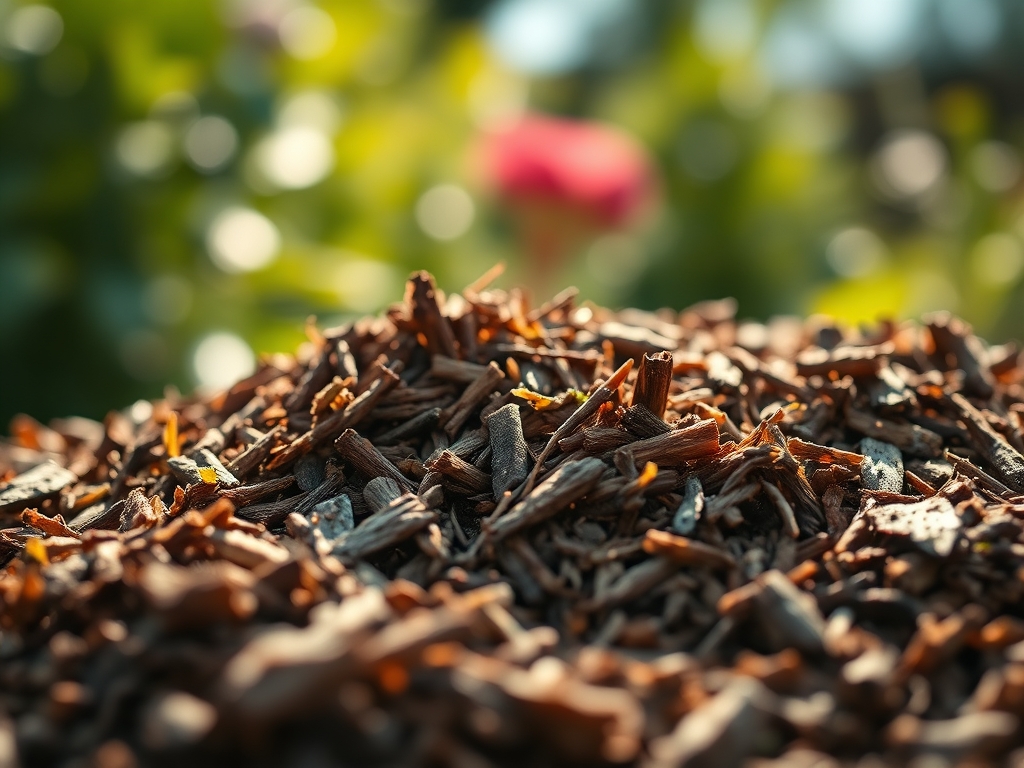
9 Best Mulch Varieties to Improve Home Landscaping
Crush a handful of moist soil and you will feel the turgor of a healthy root system resisting the pressure of your palm. The smell of geosmin signifies an active microbial community, but without a protective barrier, this life force evaporates under the solar load. Selecting the best mulch for home landscaping is a decision of engineering rather than aesthetics. It is the primary method for regulating soil temperature and reducing evaporative water loss from the rhizosphere. A bare soil surface can reach temperatures exceeding 120 degrees Fahrenheit, which effectively halts microbial activity and induces cellular stress in ornamental plants. By applying a calibrated layer of organic or inorganic material, you stabilize the Cation Exchange Capacity (CEC) of the upper soil horizons. This layer acts as a thermal buffer and a moisture reservoir. It ensures that the vascular tissues of your perennials remain hydrated through consistent osmotic pressure. Effective mulching is not a decorative afterthought; it is a foundational requirement for maintaining the structural integrity of your garden ecosystem.
Materials:
The ideal substrate for most landscape applications is a friable loam with a pH range of 6.0 to 7.0. When selecting the best mulch for home landscaping, you must match the material to the specific NPK and pH requirements of your plant taxa.
- Pine Bark Nuggets: Best for acid loving plants (Azaleas, Blueberries). pH: 4.0 to 5.0. NPK: 0.1-0.0-0.1.
- Arborist Wood Chips: High carbon-to-nitrogen ratio. Ideal for established trees. NPK: 0.2-0.1-0.2.
- Wheat Straw: High reflectivity. Best for vegetable beds. NPK: 0.5-0.2-1.0.
- Pine Needles (Pine Straw): Does not compact. Excellent for slope stabilization. pH: 4.5.
- Leaf Mold: Partially decomposed deciduous leaves. High CEC. NPK: 0.8-0.4-0.5.
- Cedar Shreds: Contains thujone, a natural insect repellent. Slow decomposition rate.
- Pea Gravel: Inorganic. Provides zero nutrients but offers superior drainage for succulents.
- Composted Manure: Nutrient dense. NPK: 1.0-0.5-1.0. Must be aged to avoid ammonia burn.
- Black Plastic/Landscape Fabric: Non-porous. Used for total weed suppression and soil solarization.
Timing:
In USDA Hardiness Zones 5 through 7, the primary mulching window occurs after the first hard frost but before the ground freezes solid. This traps residual geothermal heat and protects dormant root initials. In Zones 8 through 10, mulch should be applied in early spring to prevent the soil from exceeding the 85 degree Fahrenheit threshold where root respiration begins to decline.
The biological clock of the plant dictates the depth of application. During the transition from vegetative to reproductive stages, plants require maximum moisture stability. Apply mulch when the photoperiod begins to shift and the plant enters its peak growth phase. This ensures that the energy diverted to flower and fruit production is not wasted on managing heat stress.
Phases:

Sowing
When sowing seeds, use a fine-textured mulch like screened compost or vermiculite. Large bark chunks can physically obstruct the hypocotyl as it emerges from the soil. Maintain a depth of no more than 0.25 inches to allow sufficient light penetration for species that are photoblastic.
Pro-Tip: Use light-colored mulch to increase the albedo effect. This reflects sunlight onto the underside of leaves, stimulating higher rates of photosynthesis during the early seedling stage.
Transplanting
When moving a plant from a container to the field, the root ball is highly susceptible to desiccation. Apply a 3-inch layer of coarse mulch immediately after watering. Ensure the mulch does not touch the stem or trunk to prevent fungal pathogens from colonizing the bark.
Pro-Tip: Mycorrhizal symbiosis is enhanced by organic mulches. As the mulch breaks down, it provides the carbon sources necessary for beneficial fungi to extend the root system's reach for phosphorus.
Establishing
For the first 12 months, the goal is to suppress auxin production in weeds that compete for nutrients. Maintain a consistent mulch depth of 3 to 4 inches. This suppresses weed germination by blocking the light required for the "red/far-red" light sensing mechanism in dormant weed seeds.
Pro-Tip: Avoid "mulch volcanoes" around tree trunks. Piling mulch against the flare of the tree causes bark senescence and provides a bridge for boring insects to enter the vascular cambium.
The Clinic:
Symptom: Interveinal Chlorosis
Diagnosis: Iron or Magnesium deficiency, often caused by high soil pH or waterlogged conditions.
Solution: Apply an acidic mulch like pine bark or pine needles.
Fix-It: Incorporate chelated iron or Epsom salts (Magnesium Sulfate) at a rate of 1 tablespoon per gallon of water before reapplying mulch.
Symptom: Nitrogen Starvation (Yellowing of lower leaves)
Diagnosis: Nitrogen tie-up. This occurs when fresh, high-carbon mulch (like sawdust) is mixed into the soil. Microbes consume available Nitrogen to break down the carbon.
Solution: Use aged mulch or apply a high-nitrogen fertilizer (NPK 10-0-0) before mulching.
Fix-It: Side-dress with blood meal or ammonium sulfate to restore the NPK balance.
Symptom: Leaf Scorch
Diagnosis: Excessive transpiration exceeding the roots' ability to provide water.
Solution: Increase mulch depth to 4 inches to lower rhizosphere temperature.
Fix-It: Use a soil moisture meter to ensure the root zone is at 60% field capacity.
Maintenance:
Precision maintenance requires a soil moisture meter and a hori-hori knife. Monitor the moisture levels twice weekly. Most landscape plants require 1.5 inches of water per week delivered at the drip line. Use the hori-hori knife to slice through any matted mulch layers (such as shredded hardwood) that have become hydrophobic. This "fluffing" action allows oxygen to reach the soil microbes. Prune any dead or diseased wood using bypass pruners before the mulch is refreshed in the spring. If the mulch has decomposed into a fine powder, it has become "soil" and a new layer must be added to maintain the thermal barrier.
The Yield:
For those growing edible landscapes, mulch is the key to a clean harvest. Straw mulch keeps fruit like strawberries or squash off the damp earth, preventing rot. Harvest during the early morning hours when turgor pressure is at its peak. This ensures the cell walls are fully hydrated, providing a crisp texture. Post-harvest, immediately move produce to a cool, shaded area to slow the rate of respiration and enzymatic breakdown. For woody ornamentals, the "yield" is the annual growth measurement. A properly mulched tree can see a 20% increase in caliper growth compared to one competing with turf grass.
FAQ:
What is the best mulch for weed suppression?
A 4-inch layer of coarse wood chips or bark nuggets provides the best physical barrier. For 100% suppression, use a base layer of plain brown cardboard under the organic mulch to block all light from reaching weed seeds.
How often should I replace my mulch?
Organic mulches like shredded hardwood or pine bark typically decompose within 12 to 24 months. Refresh the top 2 inches annually to maintain the desired depth and continue the slow release of nutrients into the soil profile.
Can mulch change my soil pH?
Yes. Pine-based mulches can slightly lower pH over several years, making them ideal for acid-loving plants. Conversely, hardwood mulches tend to be neutral or slightly alkaline as they decompose. Always test your soil pH every three years.
Will mulch attract termites or other pests?
Mulch does not "attract" termites, but it provides the moist environment they prefer. To mitigate risk, keep mulch at least 6 inches away from your home's foundation and avoid using excessively wet, thick layers of wood-based products.