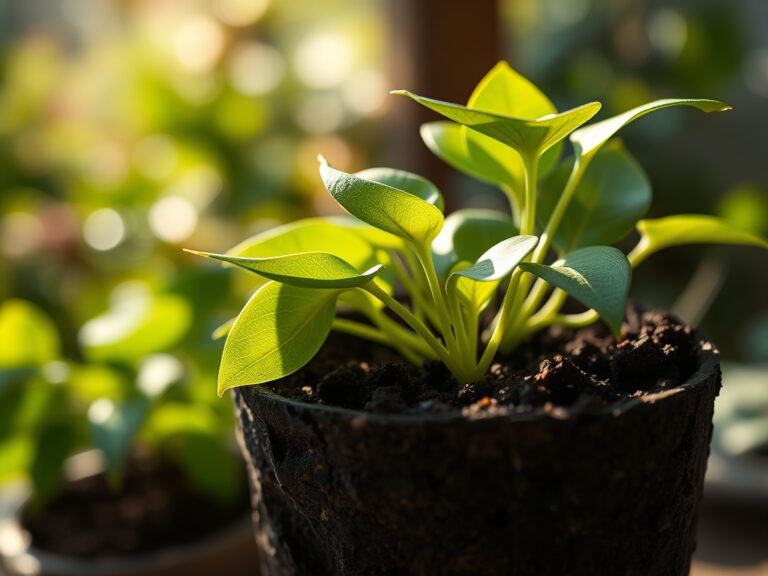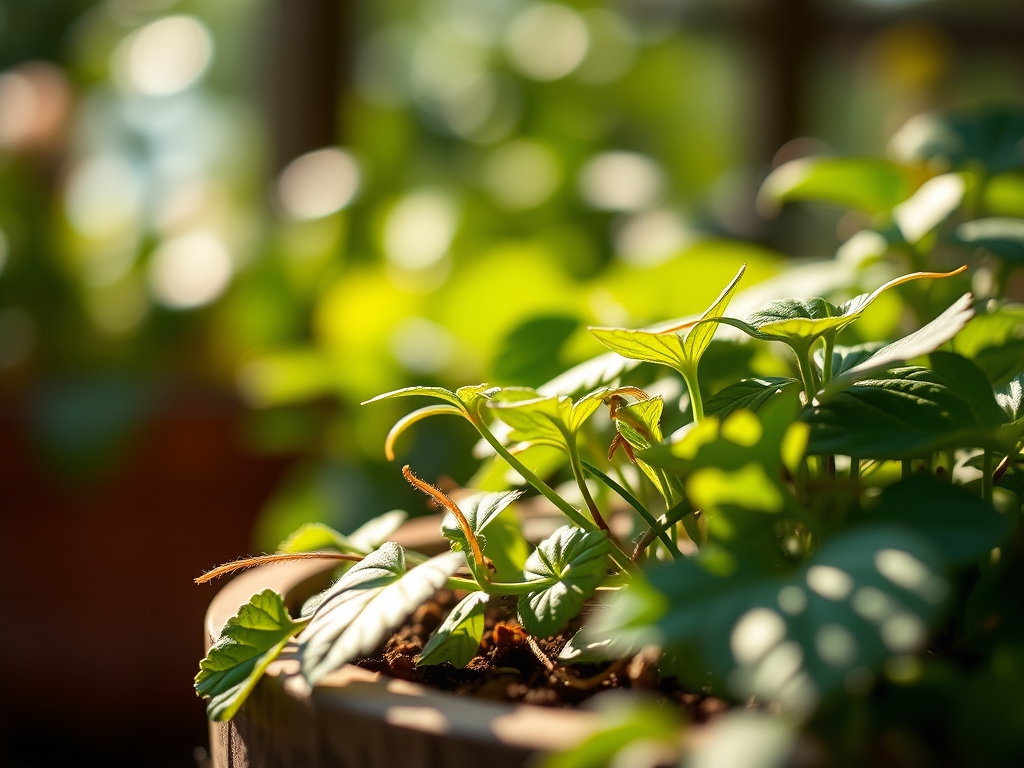
9 Advantages of Specialized All-Purpose Houseplant Fertilizer
The snap of a turgid Monstera leaf or the earthy, metallic scent of damp peat moss indicates a plant in its physiological prime. Achieving this state requires more than water and light; it demands precise chemical intervention. Using a specialized houseplant fertilizer ensures that the closed-loop system of a decorative pot receives the exact elemental concentrations required for cellular respiration. In a container, the rhizosphere is limited by physical boundaries. Unlike field crops that can extend roots toward deeper nutrient caches, indoor specimens rely entirely on the aqueous solution provided by the grower. Without regular supplementation, the Cation Exchange Capacity (CEC) of the potting medium depletes rapidly as ions like potassium and magnesium are uptaken or leached through drainage. A professional-grade fertilizer provides a buffered delivery system that prevents the salt accumulation common with cheap, agricultural-grade salts. By maintaining a consistent osmotic potential in the soil, you prevent the root tip desiccation that leads to leaf margin necrosis. This is not about aesthetics; it is about the structural integrity of the plant's vascular system.
Materials:
The ideal substrate for indoor cultivation is a **friable loam** or a high-porosity peat-perlite mix with a **pH between 5.8 and 6.5**. This acidity range is critical for the solubility of micronutrients like iron and manganese. Specialized fertilizers for houseplants typically utilize a **3-1-2 or 1-1-1 NPK ratio**. A **3-1-2 ratio (such as 9-3-6)** is mathematically optimized for foliage production because it mirrors the ratio of nutrients found in the leaf tissues of most tropical species. You must also account for secondary macronutrients: **calcium (Ca), magnesium (Mg), and sulfur (S)**. Ensure your fertilizer contains chelated trace elements; chelation prevents these metals from precipitating out of the solution and becoming unavailable to the roots.
Timing:
Indoor environments are largely decoupled from local Hardiness Zones; however, the Biological Clock of the plant remains sensitive to the photoperiod. Even in Zone 7 or Zone 10, the reduction in ambient light during winter months slows the metabolic rate. You must align fertilization with the vegetative growth stage, typically occurring from the first spring equinox through the late summer. Stop or reduce feeding when the plant enters senescence or dormancy during the winter. Applying high-nitrogen fertilizer during low-light periods can result in "etiolation," where the plant produces weak, elongated stems with thin cell walls that are susceptible to collapse.
Phases:

Sowing and Germination
During the initial phase, the embryo relies on the endosperm for energy. Do not apply specialized fertilizer until the first set of true leaves appears. At this stage, the root system is exceptionally sensitive to high salt indexes. Use a half-strength dilution of a high-phosphorus "starter" formula to encourage primary root elongation.
Pro-Tip: High phosphorus at the seedling stage promotes early mycorrhizal symbiosis. These beneficial fungi extend the reach of the root system, increasing the surface area for water absorption by up to 100 times.
Transplanting
When moving a plant to a larger vessel, the goal is to minimize transplant shock and encourage the roots to move into the new substrate. Pre-moisten the new friable loam with a solution containing Vitamin B1 or seaweed extract. This reduces the stress on the root hairs and maintains turgor pressure within the xylem.
Pro-Tip: Avoid high nitrogen immediately after transplanting to prevent auxin suppression. If the plant focuses too much energy on apical foliage growth before the roots are established, the transpiration rate will exceed the water uptake capacity.
Establishing
Once the plant is established, switch to the primary specialized houseplant fertilizer. Apply the solution every 14 to 21 days. Ensure that you apply enough liquid to see approximately 10 percent of the volume exit the drainage holes. This "leaching" process flushes out residual mineral salts that can cause "fertilizer burn."
Pro-Tip: Consistent fertilization maintains phototropism efficiency. A well-nourished plant has higher chlorophyll density, allowing it to maximize the capture of photons even in lower-light interior corners.
The Clinic:
Physiological disorders often mimic environmental stress. Use the following diagnostic criteria to identify and fix nutrient-related issues.
Symptom: Interveinal Chlorosis (yellowing between green veins on young leaves).
Solution: This indicates an Iron (Fe) deficiency, often caused by a pH level above 7.0.
Fix-It: Apply a chelated iron drench and adjust the water pH to 6.0 using a phosphoric acid buffer.
Symptom: Lower Leaf Yellowing (uniform chlorosis on the oldest growth).
Solution: This is Nitrogen (N) deficiency. Nitrogen is a mobile nutrient; the plant steals it from old leaves to support new growth.
Fix-It: Increase the frequency of your 3-1-2 ratio fertilizer applications.
Symptom: Leaf Tip Burn (brown, crispy edges on spider plants or Dracaena).
Solution: This is often Fluoride toxicity or salt accumulation in the distal leaf tissues.
Fix-It: Flush the soil with three times the volume of the pot using distilled water to leach accumulated solutes.
Maintenance:
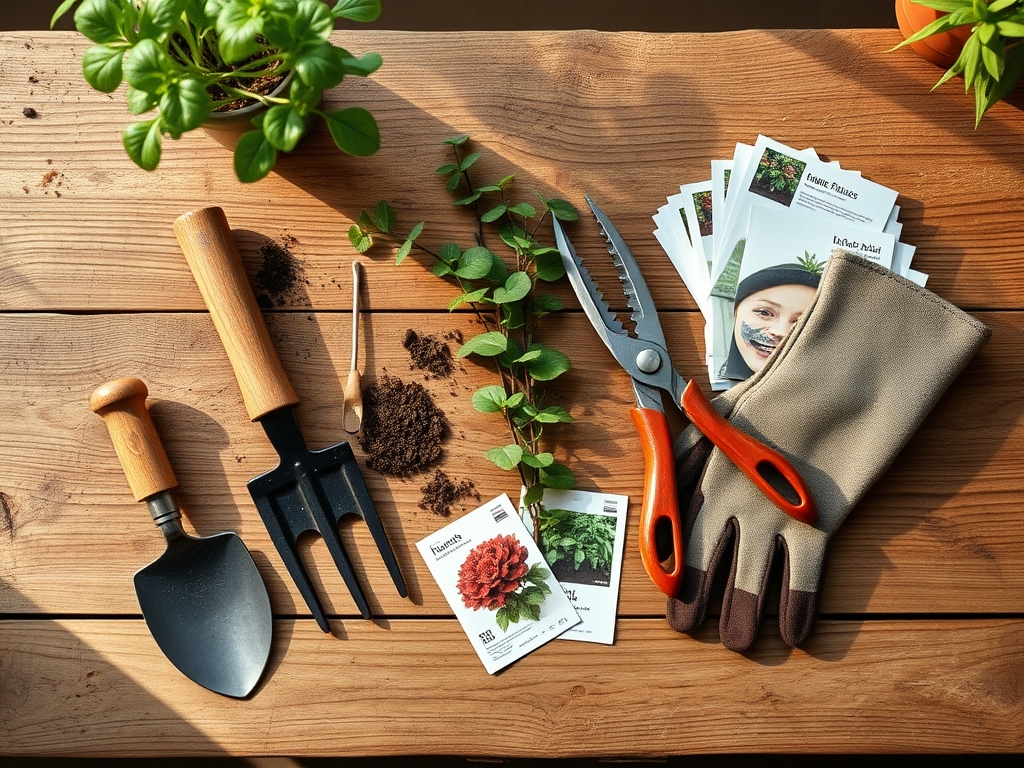
Precision maintenance requires the right tools. Use a soil moisture meter to ensure the substrate is at a "Level 3" or "4" before applying liquid fertilizer; never fertilize a bone-dry plant as it can cause immediate root desiccation. For pruning dead tissue, use bypass pruners to make clean, surgical cuts that heal quickly. If you need to check for root-bound conditions, use a hori-hori knife to gently probe the perimeter of the root ball. For most tropical houseplants, provide 1.5 inches of water per week during the growing season, ensuring the water is at room temperature (approximately 68 to 72 degrees Fahrenheit) to avoid thermal shock to the rhizosphere.
The Yield:
For flowering houseplants like Hoya or Saintpaulia, the "yield" is the duration and intensity of the bloom cycle. To maximize this, transition to a "bloom booster" formula with a higher middle number (Phosphorus) once flower primordia are visible. After the flowers fade, use your bypass pruners to remove the spent stalks. This prevents the plant from diverting energy into seed production, a process known as "deadheading," and redirects those sugars back into the root system for the next growth cycle.
FAQ:
How often should I use specialized fertilizer?
Apply every two to four weeks during the active growing season (spring and summer). Reduce or stop applications during the winter months when the plant's metabolic rate drops due to decreased photoperiod and lower ambient temperatures.
Can I use outdoor garden fertilizer for my houseplants?
No. Outdoor fertilizers often lack essential micronutrients and have higher salt indexes. These salts accumulate rapidly in containers, leading to osmotic stress and root burn. Specialized houseplant formulas are buffered for the confined rhizosphere of a pot.
What does the NPK ratio actually mean?
The numbers represent the percentage by weight of Nitrogen (N), Phosphorus (P), and Potassium (K). Nitrogen drives foliage growth; Phosphorus supports root and flower development; Potassium regulates cellular functions and water movement within the plant's vascular system.
Why are my plant's leaves turning brown at the tips?
This usually indicates excessive salt accumulation from tap water or over-fertilization. It can also result from low humidity. Flush the potting medium with distilled water and ensure your specialized fertilizer is applied at the correct dilution rate.