8 Reasons to Use Specialized Edible Herb Fertilizer
Crushing a sprig of rosemary between your thumb and forefinger should release an immediate, pungent oil that lingers on the skin; this is the direct result of high terpene density. When a plant lacks the specific micronutrients required for essential oil synthesis, the leaves feel flaccid and the aroma remains dull. Using a specialized herb fertilizer ensures that the plant maintains high turgor pressure within its cellular walls, preventing the wilting often seen in nitrogen-heavy, generic applications. Most gardeners make the mistake of using high-phosphorus "bloom boosters" on herbs, which forces premature flowering and ruins the flavor profile of the foliage. A specialized formula focuses instead on a balanced nitrogen-to-potassium ratio to support structural integrity and leaf production. By targeting the rhizosphere with precise mineral inputs, you can manipulate the plant's metabolic rate. This technical approach transforms a struggling kitchen garden into a high-yield botanical laboratory where every leaf contains the maximum concentration of phytochemicals.
Materials:
To achieve professional results, you must start with a **friable loam** that possesses a high **Cation Exchange Capacity (CEC)**. This allows the soil to hold onto positively charged ions like calcium and magnesium rather than letting them leach away during irrigation. The ideal soil pH for a majority of culinary herbs ranges from **6.0 to 7.0**. Outside of this window, nutrient lockout occurs, rendering even the most expensive fertilizers useless.
When selecting your inputs, look for these specific NPK ratios and amendments:
- Low-Nitrogen Formula (3-3-3 or 4-4-4): Prevents "leggy" growth and maintains concentrated flavor.
- Magnesium Sulfate (Epsom Salts): Essential for chlorophyll production in Mediterranean herbs like sage and lavender.
- Kelp Meal: Provides over 60 trace minerals and growth hormones like cytokinins.
- Perlite or Coarse Sand: Essential for ensuring a drainage rate of at least 1 inch per hour.
Timing:
The biological clock of an herb is governed by the photoperiod and soil temperature. In Hardiness Zones 5 through 7, the window for initial fertilization begins exactly 14 days after the last spring frost, once soil temperatures consistently hit 55 degrees Fahrenheit. For those in Zones 8 through 10, fertilization can occur year-round, but must be scaled back during the heat of mid-summer to avoid salt buildup.
The transition from the vegetative stage to the reproductive stage is a critical juncture. If you apply a high-nitrogen fertilizer as the days lengthen, you may delay the "bolting" of cilantro or basil, but you risk reducing the aromatic oils. You must time your applications to support the plant's current metabolic demand. For perennials like thyme, a slow-release granular application in early spring provides the baseline nutrients needed for the entire growing season.
Phases:
Sowing and Germination
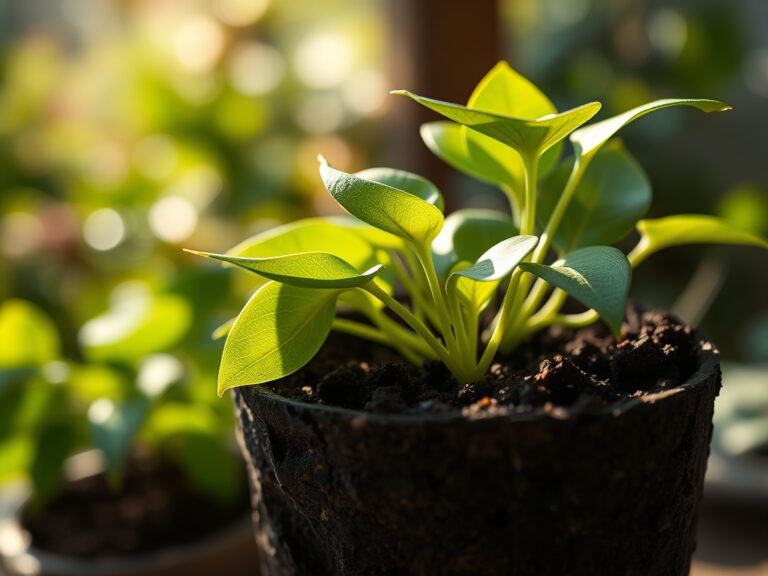
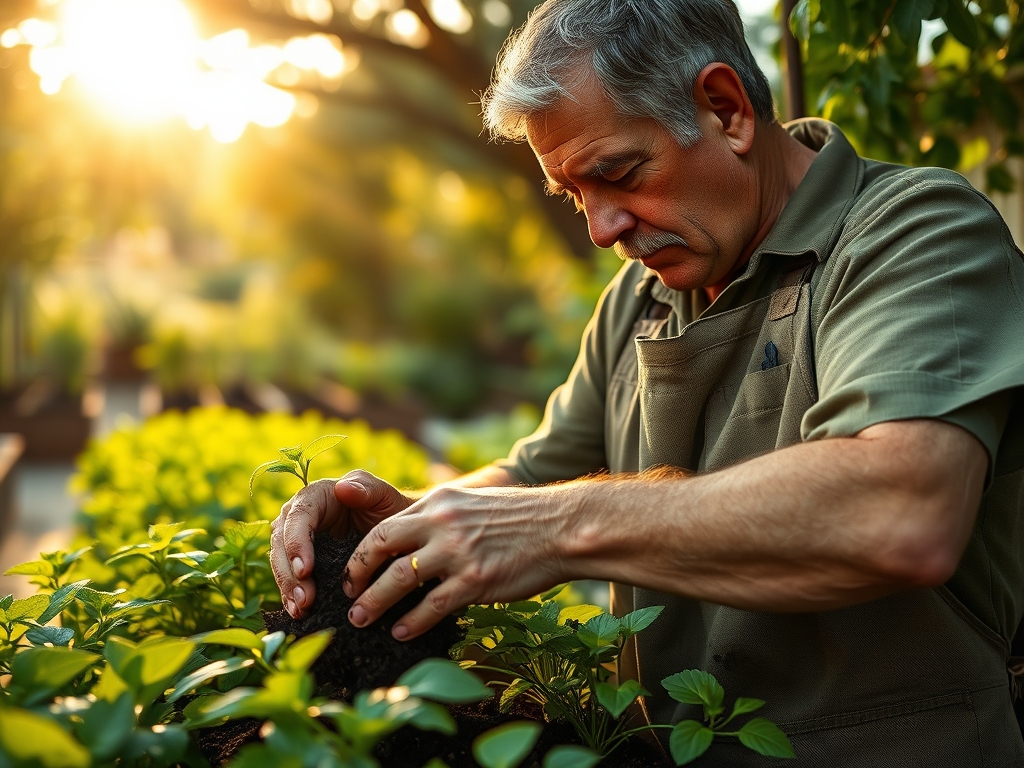
During the initial stage, the embryo relies on the endosperm for energy. Do not apply fertilizer until the first set of true leaves appears. At this point, use a quarter-strength liquid seaweed solution to encourage early root branching.
Pro-Tip: Focus on mycorrhizal symbiosis. Inoculating seeds with beneficial fungi increases the root surface area by up to 100 times, allowing for superior phosphorus uptake.
Transplanting
Moving a plant from a nursery pot to the ground causes transplant shock, which halts growth for 7 to 10 days. To mitigate this, apply a high-potassium "starter" solution. This strengthens cell walls and regulates stomatal conductance, reducing water loss.
Pro-Tip: This phase is about auxin suppression. By pinching the apical meristem (the top tip) during transplanting, you redirect growth hormones to lateral buds, creating a bushier plant.
Establishing and Maturation
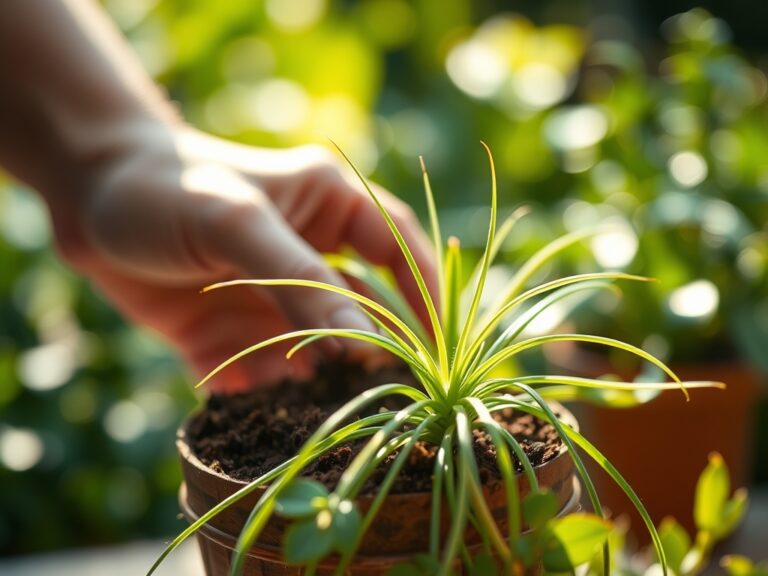
Once the herb has reached 6 inches in height, it enters its peak vegetative phase. This is when using a specialized herb fertilizer becomes most effective. Apply a granular organic fertilizer every 4 to 6 weeks, scratching it into the top 2 inches of soil.
Pro-Tip: Monitor for phototropism. If plants lean excessively toward the sun, it indicates a carbohydrate imbalance. Balanced nutrition helps the plant maintain a sturdy, upright posture even in lower light.
The Clinic:
Physiological disorders in herbs are often misdiagnosed as diseases when they are actually nutrient or environmental failures.
- Symptom: Interveinal Chlorosis. The veins remain green while the rest of the leaf turns yellow.
- Solution: This is a classic Magnesium deficiency. Apply a foliar spray of 1 tablespoon Epsom salt per gallon of water.
- Symptom: Purpling of lower leaves.
- Solution: This indicates Phosphorus deficiency, often caused by soil temperatures below 50 degrees Fahrenheit. Use a water-soluble phosphate boost once the soil warms.
- Symptom: Tip Burn on new growth.
- Solution: This is Calcium deficiency, usually caused by inconsistent watering rather than a lack of calcium in the soil. Calcium moves via transpiration; if the soil dries out, the calcium cannot reach the new leaves.
- Symptom: Stunted growth with pale green foliage.
- Solution: Nitrogen chlorosis. Apply a quick-release organic nitrogen source like fish emulsion at half-strength.
Maintenance:
Precision is the difference between a hobbyist and a master. Use a soil moisture meter to ensure the root zone stays at a consistent "Moist" rating. For most herbs, this equates to 1.5 inches of water per week delivered at the drip line to avoid wetting the foliage, which can invite fungal pathogens.
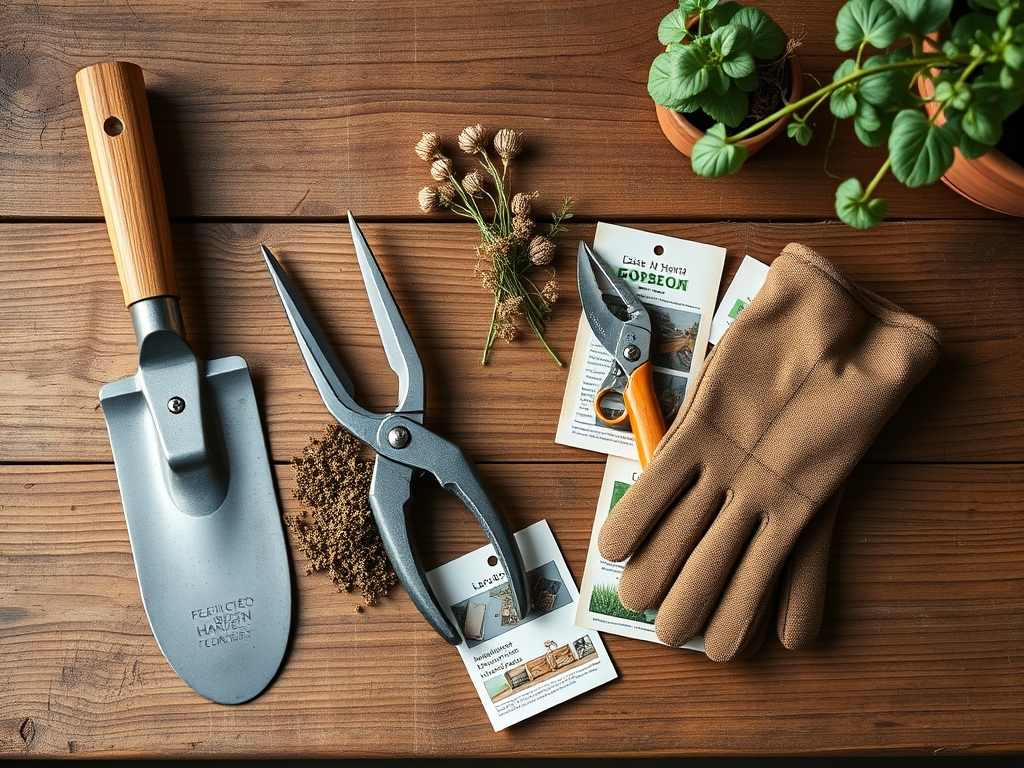
Use a hori-hori knife to weed deeply around the base of perennials; this tool allows you to remove taproots without disturbing the herb's delicate lateral roots. For harvesting, always use bypass pruners rather than anvil pruners. Bypass pruners act like scissors, creating a clean "surgical" cut that heals quickly, whereas anvil pruners crush the stem tissue and invite decay. Keep your tools sanitized with a 70 percent isopropyl alcohol solution between plants to prevent the spread of soil-borne pathogens.
The Yield:
Harvesting is a science of timing. For maximum oil content, harvest herbs in the morning after the dew has evaporated but before the sun reaches its zenith. This is when the volatile oils are most concentrated in the leaves. Never remove more than one-third of the plant at a single time; exceeding this threshold triggers a stress response that can lead to premature senescence.
Post-harvest handling is vital for "day-one" freshness. For soft herbs like parsley and cilantro, treat them like cut flowers by placing the stems in a jar of cool water. For woody herbs like rosemary and oregano, wrap them in a damp paper towel and store them in a sealed container at 34 to 38 degrees Fahrenheit. This slows the respiration rate and preserves the cellular turgor.
FAQ:
How often should I fertilize potted herbs?
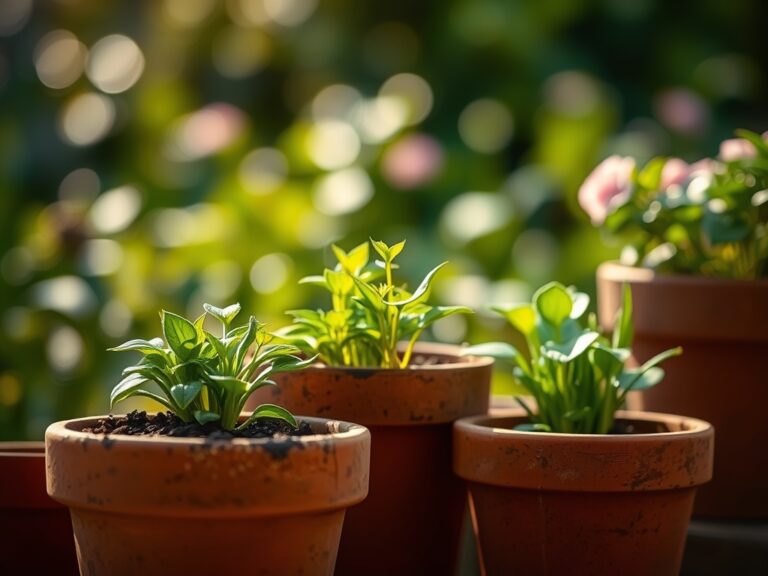
Potted herbs require fertilization every 2 weeks during the growing season. Because containers leach nutrients quickly during watering, a diluted liquid organic fertilizer is more effective than granular options for maintaining consistent nutrient availability in the small root zone.
Can I use tomato fertilizer on my herbs?
Tomato fertilizers are often too high in phosphorus. This can trigger early flowering in herbs like basil and cilantro, which turns the leaves bitter. Using a specialized herb fertilizer with a balanced NPK ratio ensures the focus remains on foliage quality.
Why are the tips of my mint leaves turning brown?
This is usually a sign of salt accumulation from over-fertilizing or using tap water with high mineral content. Flush the soil with a gallon of distilled water to leach out the excess salts and reset the soil chemistry.
What is the best pH for a kitchen herb garden?
Aim for a pH of 6.5. This is the "sweet spot" where the most essential nutrients, including nitrogen, phosphorus, and potassium, are chemically available for root uptake. Use elemental sulfur to lower pH or lime to raise it.