7 Precise Steps to Treat Mealybugs with Neem Oil
The smell of damp earth and the firm turgor of a healthy leaf define a successful greenhouse environment. When white, cottony masses disrupt this balance, immediate intervention is required to prevent the collapse of the plant vascular system. Implementing the correct steps for treating mealybugs with neem oil ensures the disruption of the insect life cycle while preserving the integrity of the leaf cuticle. These pests extract phloem sap, leading to stunted growth and secondary fungal infections like sooty mold.
Effective eradication requires a cold-pressed neem oil containing at least 3,000 ppm of Azadirachtin. This tetranortriterpenoid acts as an ecdysone blocker, preventing the nymphs from molting into reproductive adults. By adhering to a strict application protocol, you protect the plant rhizosphere and maintain the osmotic pressure necessary for nutrient transport.
Materials:

Successful treatment begins with optimizing the host plant environment. Most ornamental and vegetable crops thrive in a friable loam with a pH range of 6.2 to 6.8. This acidity level ensures the availability of micronutrients like iron and manganese. Before applying neem oil, verify the soil nutrient profile to ensure the plant can withstand the stress of an infestation.
The substrate should have a high Cation Exchange Capacity (CEC), ideally between 15 and 25 meq/100g, to buffer against fluctuations in salt concentration. If the plant shows signs of stress, supplement with a balanced 10-10-10 NPK ratio at half strength to support cellular repair. Avoid high nitrogen fertilizers like 20-5-5 during an active infestation, as excessive nitrogen increases the concentration of amino acids in the sap, which attracts more piercing-sucking insects.
Timing:
Timing is critical for both efficacy and plant safety. In Hardiness Zones 7 through 10, neem oil should be applied during the early morning or late evening when temperatures are between 55 and 80 degrees Fahrenheit. Applying oil during the peak of the photoperiod when temperatures exceed 85 degrees Fahrenheit will cause phytotoxicity, effectively "cooking" the leaf tissues through solar magnification.
Monitor the biological clock of your specimens. Plants transitioning from the vegetative stage to the reproductive stage (flowering) are more sensitive to oil applications. During this transition, the plant diverts energy from foliage defense to gamete production. Ensure you treat the infestation before the onset of senescence or the development of delicate floral structures.
Phases:

Sowing and Prevention
The first step in mealybug management is quarantine. Before introducing any new specimen into your grow space, inspect the nodes and the undersides of leaves. If you are starting from seed, ensure the starting mix is sterile to prevent the introduction of soil-dwelling pests.
Pro-Tip: Maintain a consistent photoperiod of 12 to 14 hours for indoor plants. Consistent light cycles regulate auxin distribution, ensuring thick cell walls that are harder for mealybugs to penetrate.
Transplanting and Inspection
When moving a plant to a larger vessel, inspect the root ball for subterranean mealybugs. These species target the rhizosphere, feeding on the root hairs and reducing the plant's ability to uptake water. Use a hori-hori knife to gently loosen any bound roots and check for white, waxy deposits.
Pro-Tip: Inoculate the new soil with mycorrhizal fungi. This symbiotic relationship increases the surface area of the root system, improving water uptake and overall plant vigor, which allows the plant to better tolerate pest-induced stress.
Establishing the Treatment
Mix two tablespoons of neem oil and one teaspoon of castile soap per gallon of lukewarm water. The soap acts as an emulsifier, breaking the surface tension of the oil so it can mix with water. Spray the plant thoroughly, ensuring the solution reaches the leaf axils where mealybugs congregate.
Pro-Tip: Mealybugs exhibit thigmotaxis, a tendency to seek out tight crevices and contact with surfaces. Directing the spray into the tightest junctions of the stem and leaf is essential to reach the hidden nymphs.
The Clinic:
Diagnosis is the precursor to effective treatment. Observe the following physiological markers:
- Symptom: Yellowing of lower leaves (Chlorosis). Solution: Check for mealybugs at the base of the stem. If none are found, this may be a Nitrogen deficiency. Apply a 5-1-1 fish emulsion to restore chlorophyll production.
- Symptom: Sticky residue on leaves (Honeydew). Solution: This is a definitive sign of an active infestation. Wash the leaves with a steady stream of water before applying neem oil to remove the substrate for sooty mold.
- Symptom: Leaf curling and distorted new growth. Solution: Mealybugs inject toxins during feeding that disrupt turgor pressure. Apply neem oil every seven days for three consecutive weeks to break the life cycle.
- Symptom: Interveinal yellowing with green veins. Solution: This indicates Magnesium deficiency. Supplement with one tablespoon of Epsom salts per gallon of water to assist in enzyme activation.
Maintenance:
Post-treatment care is vital for recovery. Provide exactly 1.5 inches of water per week delivered at the drip line to avoid wetting the foliage, which can encourage fungal pathogens. Use a soil moisture meter to ensure the substrate remains at a consistent moisture level; do not allow the soil to dry out completely, as drought stress exacerbates pest damage.
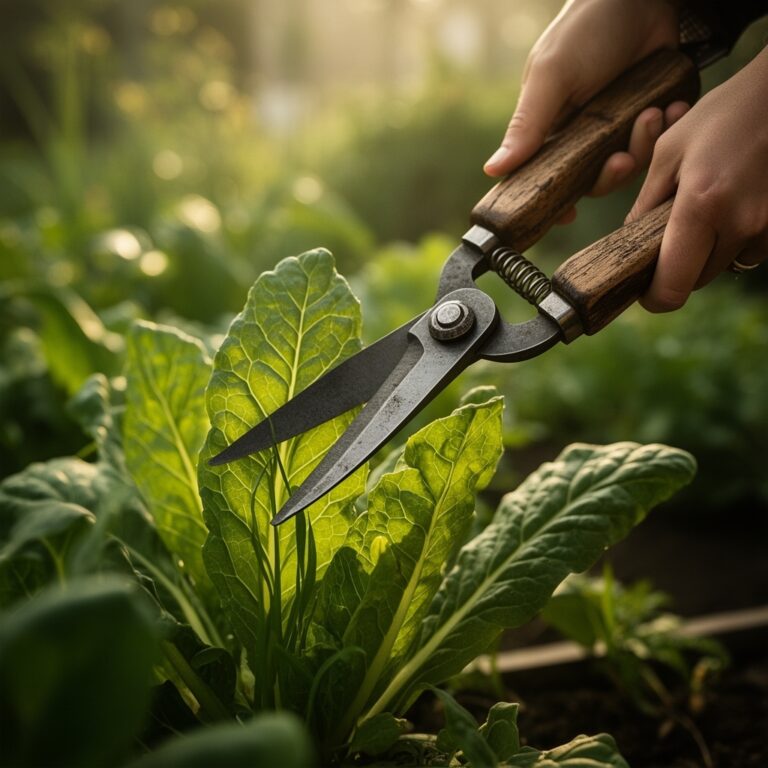
Use bypass pruners to remove heavily infested or necrotic tissue. Sanitize the blades with 70 percent isopropyl alcohol between every cut to prevent the mechanical transmission of pathogens. Monitor the plant daily for a resurgence of nymphs, which appear as small, mobile yellow specks before they develop their protective waxy coating.
The Yield:
For edible crops or cut flowers, observe a Pre-Harvest Interval (PHI) of at least five to seven days after the last neem oil application. This allows the oil to degrade, ensuring no residual taste or oily film remains on the harvest. Harvest during the coolest part of the morning to maintain maximum turgor within the plant tissues.
For woody perennials, handle the plant with care post-harvest to prevent wounding the bark. Clean any remaining honeydew from the stems to prevent the attraction of ants, which often farm mealybugs for their sugary secretions.
FAQ:
How often should I apply neem oil?
Apply the solution every 7 to 10 days. This frequency targets newly hatched nymphs that were in the egg stage during the previous application. Continue this cycle for at least three weeks to ensure the entire population is eradicated.
Can neem oil kill beneficial insects?
Neem oil is a systemic and contact insecticide that primarily affects chewing and sucking insects. While it has low toxicity to bees once dry, avoid spraying during active foraging hours to protect local pollinators and predatory insects like ladybugs.
Why are my leaves turning brown after treatment?
This is likely phytotoxicity. It occurs if the oil concentration is too high or if the plant is exposed to direct sunlight and high heat immediately after application. Always perform a patch test on one leaf 24 hours before full application.
Does neem oil work on all mealybug species?
Yes, the active ingredient Azadirachtin is effective against most species, including long-tailed and citrus mealybugs. However, root mealybugs require a soil drench rather than a foliar spray to reach the insects residing within the rhizosphere and soil macropores.