8 Best Colorful Plants for High-Impact Landscaping
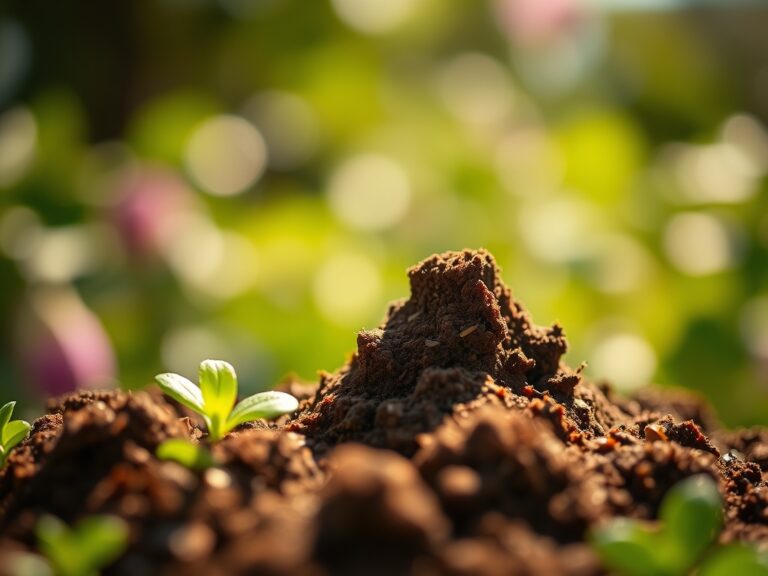
The scent of petrichor rising from a freshly turned friable loam marks the beginning of a successful installation. When a leaf maintains high turgor pressure, its cells are distended with water; this creates the structural rigidity necessary for photosynthesis. Selecting the best plants for home landscaping requires more than an eye for color. It demands an understanding of plant physiology and soil chemistry. High-impact landscaping relies on species that offer significant biomass and pigment density while maintaining a resilient rhizosphere. Success is found in the intersection of cultivar selection and site preparation. You are not just planting; you are managing a complex biological system where nutrient availability and light cycles dictate the visual outcome. By focusing on species with high ornamental value and robust growth habits, you ensure that the landscape remains a functional, living asset.
Materials:
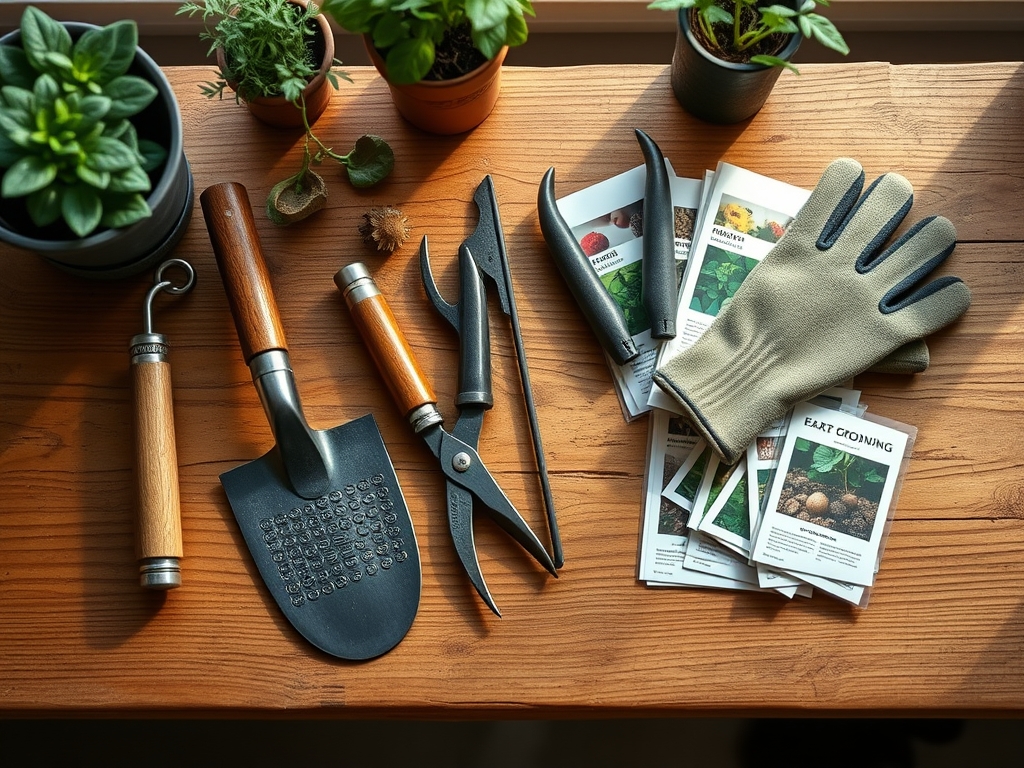
Substrate quality determines the success of high-impact species. Most colorful ornamentals require a pH between 6.0 and 7.0 to ensure maximum bioavailability of micronutrients. A friable loam with a high Cation Exchange Capacity (CEC) allows the soil to retain essential positively charged ions like Calcium and Magnesium.
- Heuchera (Coral Bells): Requires a well-drained substrate with an NPK ratio of 10-10-10 applied in early spring.
- Hydrangea macrophylla: Needs acidic soil (pH 5.2 to 5.5) for blue pigments or alkaline soil (pH 6.0 to 6.2) for pinks.
- Physocarpus opulifolius (Ninebark): Thrives in a 5.5 to 7.5 pH range; prefers a 10-15-10 NPK blend to support bark development.
- Acer palmatum (Japanese Maple): Demands high organic matter; use a slow-release 4-3-4 organic fertilizer.
- Echinacea (Coneflower): Prefers lean soil; an NPK of 5-10-10 prevents excessive vegetative growth at the expense of blooms.
- Salvia sylvestris: Requires sharp drainage; use a 10-10-10 ratio only once per season.
- Cotinus coggygria (Smoke Bush): Adaptable to poor soils but performs best at pH 6.5.
- Paeonia (Peonies): Needs a heavy feeding of 5-10-10 when stems are 3 inches tall.
Timing:
Successful establishment depends on the USDA Hardiness Zone and the biological clock of the specimen. Most high-impact plants are suited for Zones 4 through 9. The transition from the vegetative stage to the reproductive stage is triggered by the photoperiod; the ratio of light to darkness in a 24-hour cycle.
Planting should occur during the dormant window of late autumn or the early spring thaw when soil temperatures reach a consistent 45 degrees Fahrenheit. This timing allows for root development before the metabolic demands of summer transpiration begin. Avoid transplanting during the heat of the day to prevent xylem cavitation.
Phases:

Sowing and Propagation
Starting from seed or cuttings requires precise environmental control. Maintain a consistent 70 percent humidity for softwood cuttings to prevent desiccation. For seeds, use a sterile seed-starting mix to avoid damping-off caused by soil-borne pathogens.
Pro-Tip: Utilize a rooting hormone containing Indole-3-butyric acid. This mimics the plant's natural auxins, which are hormones that stimulate cell elongation and root initiation at the basal end of the cutting.
Transplanting
Dig a hole twice as wide as the root ball but no deeper. Ensure the flare of the trunk or the crown of the perennial sits exactly at the soil line. Deep planting leads to stem rot and limits oxygen availability in the rhizosphere.
Pro-Tip: Inoculate the planting hole with mycorrhizal fungi. This creates a symbiotic relationship where the fungi extend the root system's reach, increasing the uptake of phosphorus and water in exchange for plant sugars.
Establishing
During the first growing season, the plant focuses on structural root growth. Provide consistent moisture to ensure the cells remain turgid. Monitor for signs of transplant shock, such as premature leaf senescence or wilting despite adequate soil moisture.
Pro-Tip: Avoid heavy nitrogen fertilization during the first three months. High nitrogen levels can cause a surge in top-growth that the immature root system cannot support, leading to vascular stress during peak heat.
The Clinic:
Physiological disorders often mimic infectious diseases. Accurate diagnosis is essential for effective intervention.
- Symptom: Interveinal chlorosis (yellowing between green veins) on new leaves.
Solution: This indicates Iron deficiency, often caused by high soil pH. Apply chelated iron to the soil or as a foliar spray to lower the pH locally. - Symptom: Marginal leaf burn or scorching on older foliage.
Solution: This is typically a Potassium deficiency. Potassium regulates the opening and closing of stomata; a lack of it leads to poor water management. Apply a high-potash fertilizer. - Symptom: Stunted growth and purple tinting on the underside of leaves.
Solution: This signifies Phosphorus deficiency. Phosphorus is critical for ATP production and energy transfer. Incorporate bone meal or rock phosphate into the root zone. - Symptom: Blossom end rot or distorted new growth.
Solution: Calcium deficiency is the culprit. Calcium is immobile within the plant; ensure consistent watering to facilitate the transport of calcium through the transpiration stream.
Maintenance:
Precision maintenance extends the lifespan of the landscape. Apply 1.5 inches of water per week at the drip line using a soaker hose to minimize foliar moisture, which reduces the risk of fungal pathogens. Use a soil moisture meter to verify that the root zone is hydrated to a depth of 6 inches.
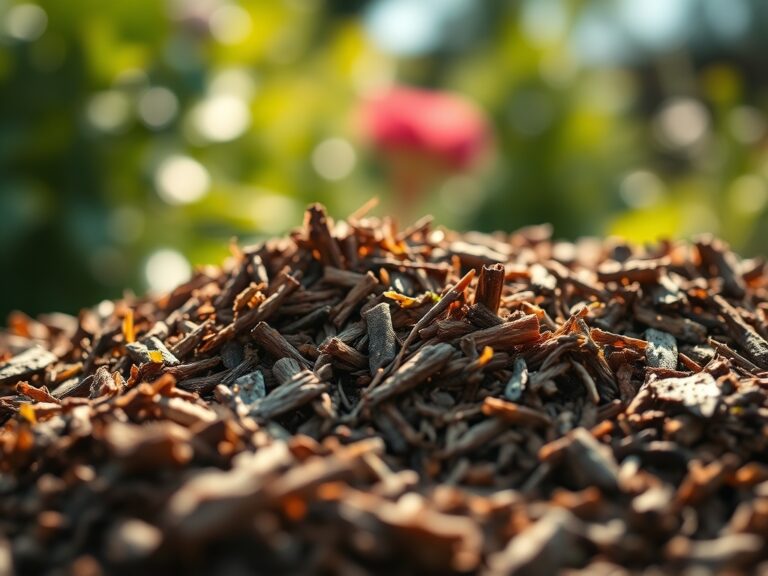
Pruning should be performed with sharp bypass pruners to ensure clean vascular cuts that heal quickly. For perennials, a hori-hori knife is the standard tool for dividing root clumps every three years to prevent overcrowding and nutrient depletion. Mulch with 2 to 3 inches of organic arborist chips to suppress weeds and maintain soil temperature stability, but keep the mulch 2 inches away from the plant stems to prevent localized rot.
The Yield:
For flowering species like Peonies or Hydrangeas, harvest blooms when they are in the "marshmallow" stage; soft to the touch but not yet fully unfurled. Use a sterilized blade to cut the stem at a 45-degree angle to maximize the surface area for water uptake.
Immediately plunge the stems into 110-degree Fahrenheit water containing a floral preservative. This "hardening off" process removes air bubbles from the xylem and ensures the blooms maintain turgor for up to ten days. For woody ornamentals, post-harvest care involves removing spent flowers (deadheading) to redirect energy from seed production back into root and bud development for the following season.
FAQ:
How do I fix yellow leaves with green veins?
This is interveinal chlorosis, usually caused by iron deficiency in alkaline soil. Test your soil pH. If it is above 7.0, apply elemental sulfur or chelated iron to improve micronutrient availability to the root system.
When is the best time to prune colorful shrubs?
Prune spring-flowering shrubs immediately after their blooms fade. Pruning too late removes the following year's buds. For summer-flowering species, prune in late winter while the plant is dormant to stimulate vigorous new growth in the spring.
Why are my hydrangea flowers changing color?
Flower color in Hydrangea macrophylla is determined by aluminum availability, which is controlled by soil pH. Acidic soil (pH 5.5) makes aluminum available, turning flowers blue. Alkaline soil (pH 6.5) blocks aluminum, resulting in pink flowers.
How much mulch should I use for new plants?
Apply a layer 2 to 3 inches thick. Ensure the mulch does not touch the base of the plant. "Mulch volcanoes" trap moisture against the bark, which encourages fungal infections and provides cover for girdling rodents.
What is the best way to water high-impact plants?
Use a soil moisture meter to ensure the top 6 inches of soil are moist. Deliver water directly to the soil at the drip line. Avoid overhead irrigation, as wet foliage promotes the development of powdery mildew and leaf spot.