7 Steps to Prepare a Dedicated Indoor Bonsai Shelf
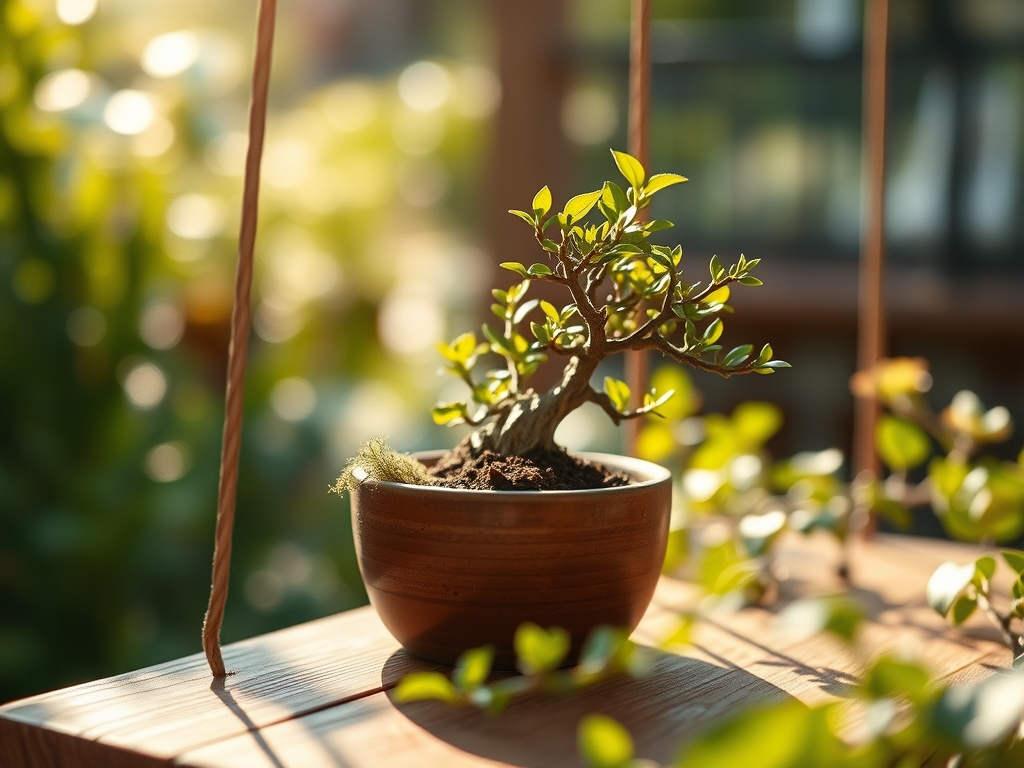
The scent of damp akadama and the tactile resistance of high turgor pressure in a needle define the success of an indoor collection. Mastering how to prepare a plant shelf for bonsai requires moving beyond aesthetics into the realm of precision environmental control. You are building a life support system for miniaturized trees that lack the buffering capacity of the earth. Success depends on managing the microclimate of the shelf to mimic the physiological demands of the specific species.
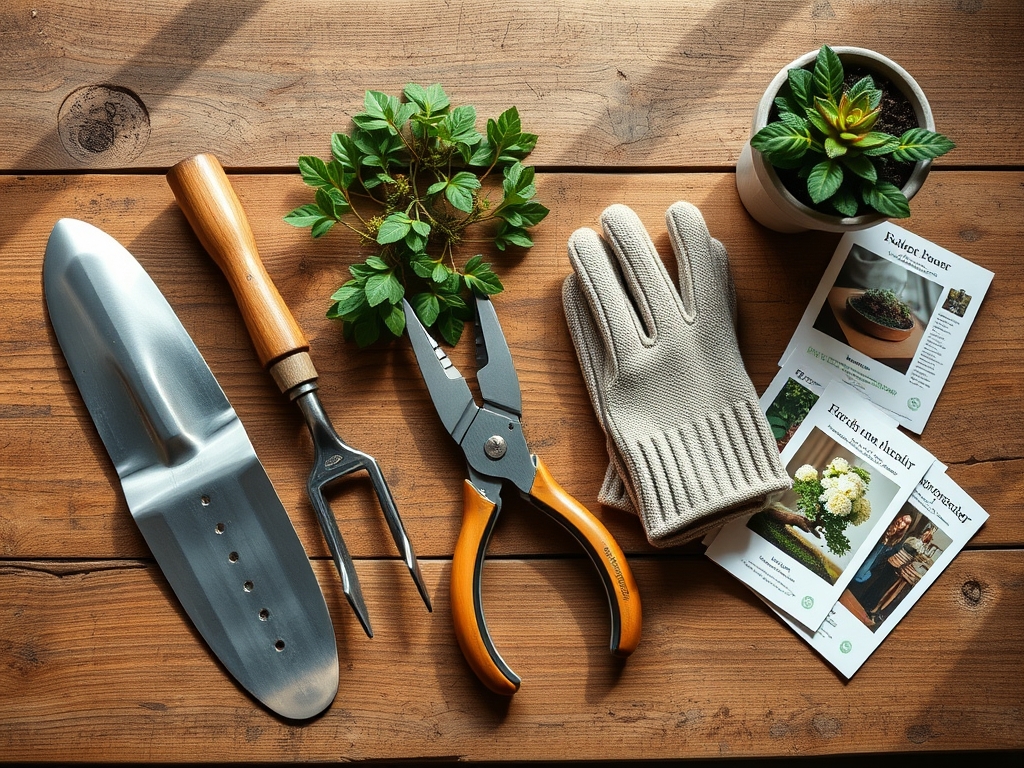
Materials:
The foundation of a bonsai shelf begins with the substrate and nutrient profile. Most indoor bonsai thrive in a **soil pH range of 5.5 to 6.5**, which optimizes nutrient availability. You must source a friable loam or a purely inorganic mix consisting of akadama, pumice, and lava rock. This mixture ensures high porosity and a high **Cation Exchange Capacity (CEC)**, allowing the roots to efficiently swap hydrogen ions for essential nutrients.
For the vegetative stage, utilize a fertilizer with an NPK ratio of 10-10-10 to provide balanced growth. If you are managing flowering species like Satsuki azaleas, shift to a 0-10-10 or 3-10-10 ratio during the bud development phase to suppress nitrogen-driven foliage and prioritize phosphorus and potassium for bloom health. The shelf itself must be constructed from non-porous materials like powder-coated steel or sealed hardwood to prevent fungal pathogens from colonizing the wood fibers.
Timing:
While indoor environments are climate-controlled, the biological clock of a tree remains tethered to external photoperiods. In Hardiness Zones 5 through 7, the transition from vegetative growth to dormancy is triggered by declining light hours. If you are bringing temperate trees indoors, you must provide a "cold snap" or a period of reduced temperatures (35 to 45 degrees Fahrenheit) to satisfy the tree's chilling requirements.
For tropical species, the "frost-date window" is irrelevant, but the seasonal shift in humidity is critical. During winter months when indoor heating drops relative humidity below 20 percent, the shelf must be equipped with humidity trays or ultrasonic humidifiers to maintain a 50 to 60 percent humidity level. This prevents leaf scorch and maintains the hydraulic conductance within the xylem.
Phases:
Sowing and Propagation
Starting from seed or cuttings on a shelf requires a steady 70 to 75 degree Fahrenheit bottom heat. Use a heat mat to stimulate cellular division in the meristematic tissue. Ensure the light source is positioned 4 to 6 inches above the containers to prevent etiolation.
Pro-Tip: Maintaining consistent bottom heat encourages mycorrhizal symbiosis. These beneficial fungi colonize the rhizosphere, extending the root system's reach and improving the uptake of poorly mobile elements like phosphorus.
Transplanting and Root Pruning
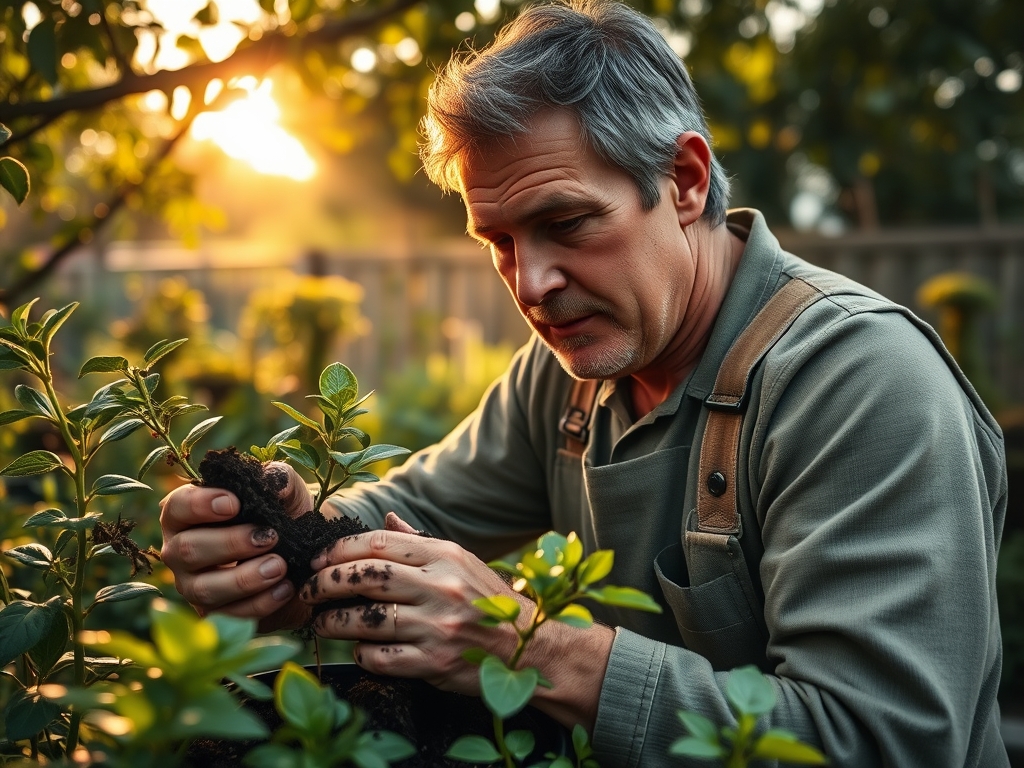
When moving a tree onto the shelf, examine the root architecture. Use a hori-hori knife to tease out circling roots. This process stimulates the production of fine feeder roots, which are more efficient at absorbing water and minerals than thick, woody structural roots.
Pro-Tip: Pruning the root tips triggers the release of cytokinins. These hormones travel upward to the canopy, stimulating lateral bud break and increasing the density of the foliage pad.
Establishing the Microclimate
Once the trees are positioned, calibrate your light intensity. Most bonsai require 2,000 to 4,000 foot-candles of light for 12 to 16 hours a day. Use a digital timer to ensure a consistent photoperiod, which regulates the tree's circadian rhythm and prevents premature senescence.
Pro-Tip: Rotate the trees 90 degrees every week to counteract phototropism. This ensures even distribution of auxins, preventing the tree from leaning toward the light source and losing its structural balance.
The Clinic:
Physiological disorders on an indoor shelf are often the result of stagnant air or improper mineralization. Use the following diagnostic data to troubleshoot.
Symptom: Interveinal chlorosis (yellowing between green veins).
Solution: This indicates a lack of iron or magnesium. Check the soil pH; if it is above 7.0, the tree cannot absorb iron. Apply chelated iron and adjust the water pH to 6.0.
Symptom: Leaf drop in Ficus species.
Solution: This is a stress response to sudden changes in light or temperature. Maintain a stable environment and avoid moving the tree once it is established on the shelf.
Symptom: Tip burn on needles or leaves.
Solution: This often results from high salt accumulation in the substrate. Flush the pot with distilled water until the Electrical Conductivity (EC) of the runoff drops below 1.0 mS/cm.
Fix-It: Nitrogen Chlorosis
If the entire leaf turns a pale lime green, the tree is suffering from nitrogen deficiency. Apply a liquid fish emulsion at half strength. Nitrogen is a mobile nutrient; you should see the color return to the newest growth within 7 to 10 days.
Maintenance:
Precision maintenance is the difference between a surviving tree and a thriving one. Use a soil moisture meter to probe the core of the root ball. Do not water on a schedule; water when the top 0.5 inches of substrate feels dry. When you do water, apply enough so that 20 percent of the volume exits the drainage holes to flush out metabolic wastes.
Pruning is a constant requirement. Use bypass pruners for clean cuts that heal quickly. For deciduous trees, prune back to two leaves after five or six have grown. This maintains the silhouette and forces smaller leaf size through repeated defoliation. Every six months, scrub the shelf surfaces with a 10 percent bleach solution to eliminate any dormant spores or pathogens.
The Yield:
For those growing fruiting bonsai like the Brazilian Rain Tree or various citrus species, the yield is the fruit itself. Harvest when the fruit reaches full color saturation but before it softens. Use specialized floral snips to cut the pedicel; do not pull the fruit, as this can damage the fruiting spurs. For "day-one" freshness, store harvested fruit in a high-humidity crisper at 40 degrees Fahrenheit to slow the respiration rate.
FAQ:
How much light do indoor bonsai need?
Most species require 12 to 16 hours of light daily. Use full-spectrum LED grow lights that provide at least 2,000 foot-candles. Insufficient light leads to elongated internodes and weak, spindly growth that ruins the bonsai aesthetic.
What is the best soil for indoor bonsai?
Use a professional-grade inorganic mix of 1 part akadama, 1 part pumice, and 1 part lava rock. This combination ensures a high cation exchange capacity and prevents root rot by allowing maximum oxygen flow to the rhizosphere.
How often should I fertilize?
During the active growing season, fertilize every two weeks with a balanced liquid fertilizer. Reduce this to once a month during the winter. Always check the NPK ratio to ensure it aligns with the tree's current growth phase.
Why are my bonsai leaves turning yellow?
Yellowing is typically caused by overwatering or nutrient deficiency. Check the substrate moisture with a meter. If the soil is wet, reduce watering. If the soil is dry, check for nitrogen chlorosis or iron deficiency and adjust the pH.