7 Shady Steps to Prepare a Lush Indoor Fern Shelf
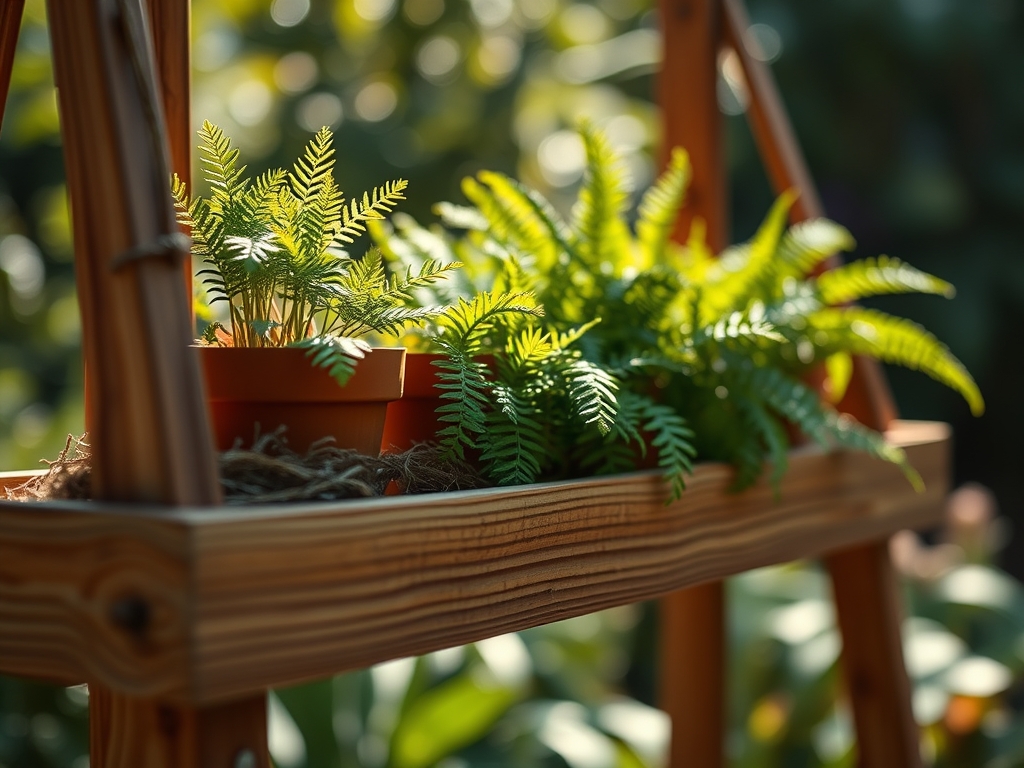
The scent of damp forest floor and the high turgor pressure of a rigid frond define the success of an indoor fern collection. To achieve this, you must master the specific environmental variables of a low light microclimate. Understanding how to prepare a plant shelf for ferns requires more than aesthetic placement; it demands a rigorous calibration of humidity, substrate porosity, and light intensity. You are not just decorating a room; you are engineering a functional ecosystem that mimics the humid understory of a primary forest.
Materials:
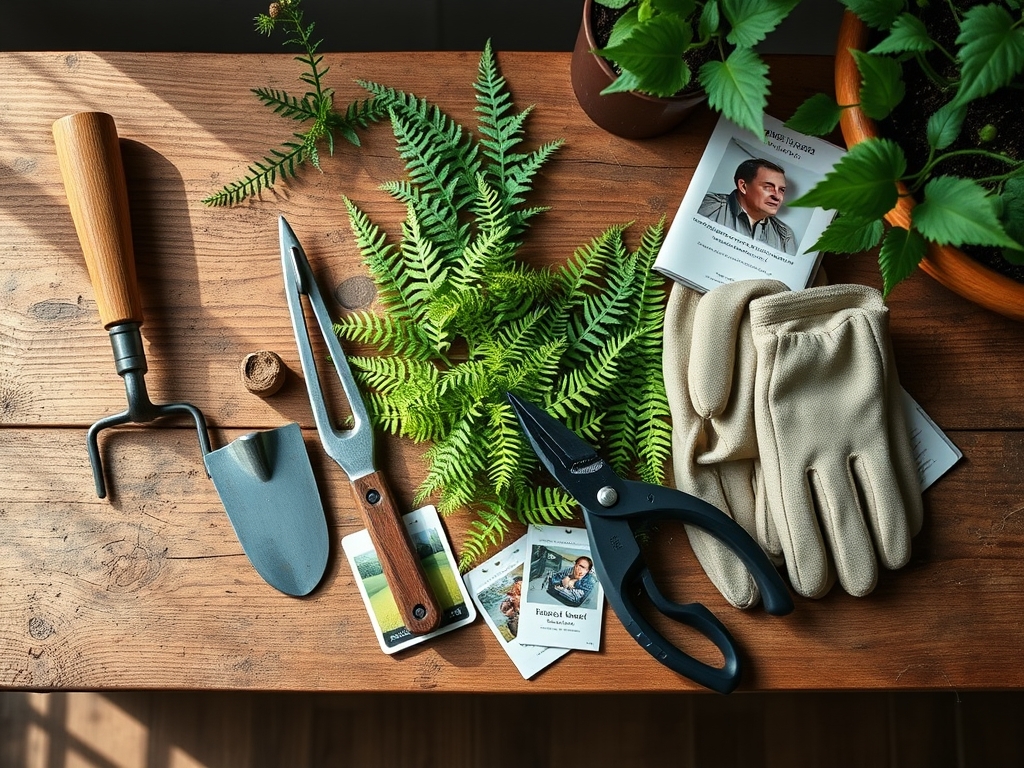
The foundation of fern health is a substrate with high Cation Exchange Capacity (CEC) and a stable pH between **5.5 and 6.5**. Avoid standard potting soils that compact over time. Instead, utilize a friable loam composed of **40 percent peat moss or coconut coir, 30 percent perlite, and 30 percent composted pine bark**. This mixture ensures oxygen reaches the rhizosphere even when saturated.
For fertilization, utilize a water soluble formula with an NPK ratio of 2-1-2 or 3-1-2. Ferns are sensitive to salt accumulation; therefore, the nitrogen source should be urea free to prevent frond burn. Maintain a consistent supply of micronutrients, specifically magnesium and iron, to prevent interveinal chlorosis. The physical texture of the medium must remain loose and aerated; if the soil resists a finger poke, the bulk density is too high for delicate rhizomes.
Timing:
Indoor ferns are less tethered to external Hardiness Zones, yet they remain sensitive to the biological clock dictated by seasonal light shifts. In Zones 4 through 7, the transition from vegetative growth to semi-dormancy occurs as the photoperiod drops below 12 hours. Ideally, initiate your shelf setup in early spring, approximately two weeks before the last frost date in your region. This aligns the plant's peak metabolic rate with increasing natural light. During the winter months, reduce fertilization by 75 percent to account for the slower rate of photosynthesis and prevent the buildup of unused minerals in the soil.
Phases:

Sowing and Spore Propagation
Ferns do not produce seeds; they reproduce via spores found on the underside of fertile fronds. Collect these spores when they turn dark brown and dusty. Sow them on a sterilized, moist peat surface. Maintain a constant temperature of 70 to 75 degrees Fahrenheit. Cover the tray with clear plastic to maintain 100 percent humidity.
Pro-Tip: High humidity is essential because fern sperm require a film of water to swim from the antheridia to the archegonia. This process, known as syngamy, is the only way to achieve fertilization in non-flowering vascular plants.
Transplanting and Root Management
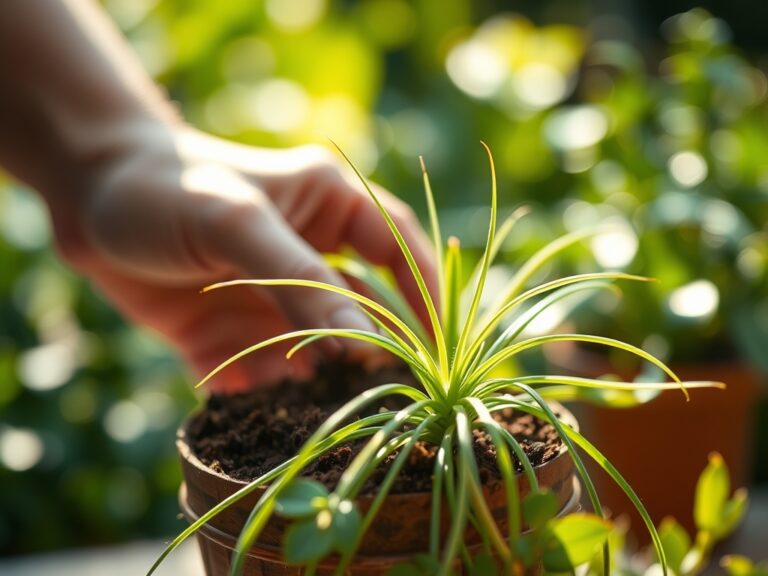
When moving a fern to the shelf, inspect the root ball for circling. Use a hori-hori knife to make three or four vertical incisions in the root mass to encourage lateral branching. Ensure the crown of the plant sits exactly at the soil line. Planting too deep causes crown rot; planting too shallow leads to desiccation of the upper rhizome.
Pro-Tip: Always inoculate the roots with mycorrhizal fungi during transplanting. This symbiotic relationship expands the surface area of the root system, significantly increasing the uptake of phosphorus and water.
Establishing the Microclimate
Position your shelf in a location receiving 100 to 200 foot-candles of light. Use a digital hygrometer to monitor ambient moisture. If the humidity drops below 50 percent, the stomata will close to prevent water loss, halting photosynthesis. Use a pebble tray or a dedicated ultrasonic humidifier to maintain a target range of 60 to 80 percent.
Pro-Tip: Avoid placing ferns directly in the path of HVAC vents. Forced air creates a high vapor pressure deficit (VPD), which pulls moisture out of the foliage faster than the roots can replace it, leading to marginal necrosis.
The Clinic:
Physiological disorders in ferns often manifest as rapid foliage changes. Use the following diagnostic criteria to identify and rectify issues.
Symptom: Brown, crispy frond margins despite regular watering.
Solution: This indicates low ambient humidity or high salt index in the substrate. Flush the soil with distilled water until the electrical conductivity (EC) of the runoff drops.
Symptom: Yellowing of older fronds (Nitrogen Chlorosis).
Solution: Apply a balanced liquid fertilizer at half strength. Nitrogen is a mobile nutrient; the plant is scavenging it from old growth to support new emergent fronds.
Symptom: Grayish, fuzzy mold on the soil surface or crown.
Solution: Botrytis or Sclerotinia. Increase airflow using a small circulation fan and reduce watering frequency. Ensure the soil surface dries slightly between applications.
Fix-It for Magnesium Deficiency: If new growth appears pale while veins remain green, dissolve 1 tablespoon of Epsom salts in a gallon of water and apply as a soil drench once per month.
Maintenance:
Precision is the hallmark of a master gardener. Use a soil moisture meter daily to ensure the substrate remains at a "4" or "5" on a 10 point scale. Most ferns require the equivalent of 1.5 inches of water per week, delivered directly to the soil to avoid wetting the crown.
Pruning is essential for airflow. Use sharp bypass pruners to remove senescent (dying) fronds at the base. This prevents the plant from wasting energy on failing tissue and improves light penetration to the center of the rhizome. Every six months, wipe the fronds with a damp cloth to remove dust, which can block up to 20 percent of available light from reaching the chloroplasts.
The Yield:
While indoor ferns are primarily ornamental, some species like the Ostrich Fern (Matteuccia struthiopteris) produce edible "fiddleheads." Harvest these in early spring when they are no more than 2 to 6 inches tall and still tightly coiled. Use a sharp knife to cut them at the soil line, taking no more than one third of the fiddleheads from a single crown to ensure the plant survives. For "day-one" freshness, submerge the harvested fiddleheads in ice water immediately to slow cellular respiration and maintain crispness.
FAQ:
How much light do indoor ferns actually need?
Most ferns thrive in indirect light measuring 100 to 200 foot-candles. Avoid direct afternoon sun, which exceeds 1,000 foot-candles and causes rapid photo-oxidation, bleaching the fronds and destroying chlorophyll molecules within hours.
What is the best way to water a fern shelf?
Apply water until it drains freely from the bottom of the pot. This ensures the entire root zone is saturated and leaches out excess mineral salts. Never allow the pot to sit in standing water, as this leads to root hypoxia.
Why are the tips of my ferns turning brown?
This is typically caused by low humidity or tap water high in fluoride and chlorine. Use filtered or rain water and maintain humidity above 60 percent to prevent the leaf tips from desiccating through excessive transpiration.
When should I repot my indoor ferns?
Repot during the active growing season, typically spring or early summer. Look for roots emerging from drainage holes or a decrease in water retention. Increase the pot size by only one to two inches in diameter to avoid over-potting.