7 Salsa Garden Steps to Prepare a Pepper and Tomato Garden
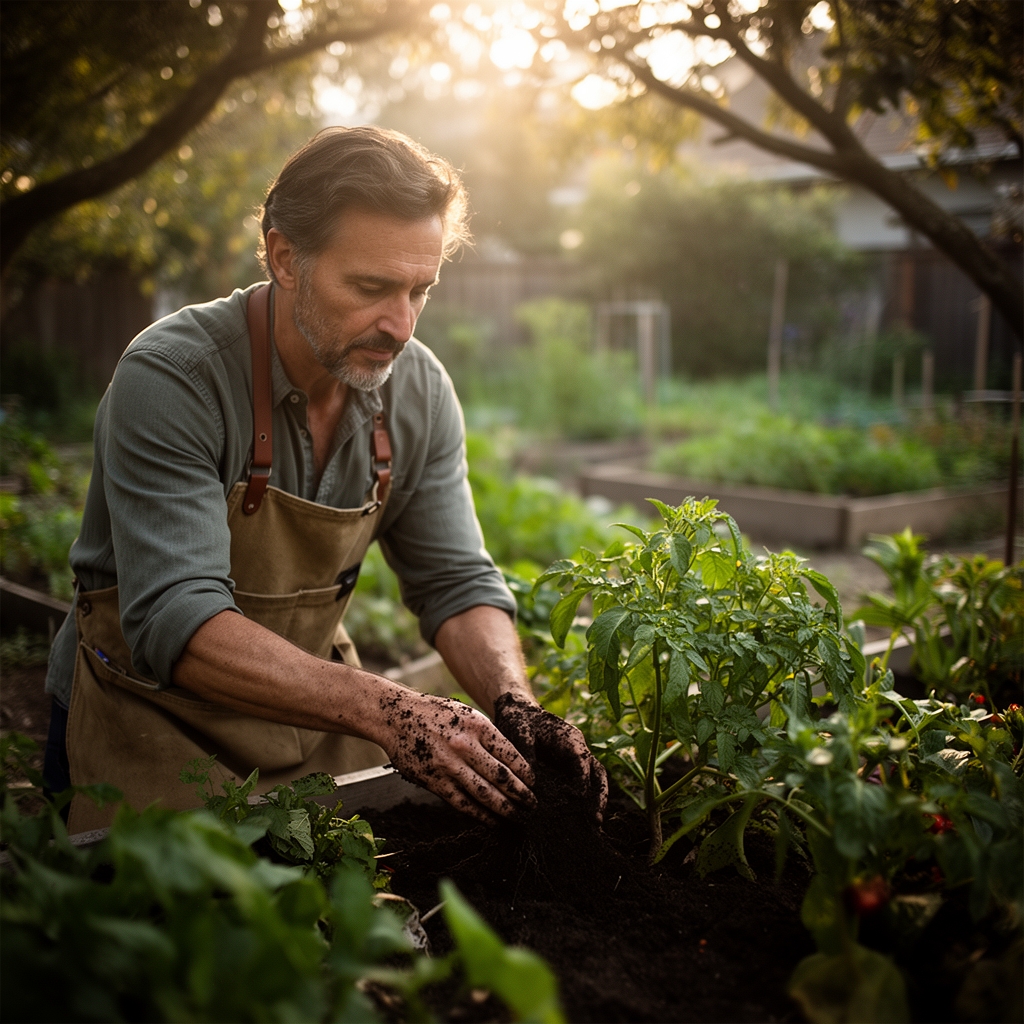
Learning how to prepare a garden for a salsa vegetable garden begins with understanding the shared nutritional and environmental requirements of peppers and tomatoes. Both species demand warm soil above 60°F, balanced nitrogen-to-phosphorus ratios, and slightly acidic conditions. A properly prepared bed reduces transplant shock by 40% and increases first-harvest yields by up to 25%. The mineral profile of your soil determines whether fruit sets early or whether plants invest energy into excessive vegetative growth. Preparation is not optional. It is the foundation.
Materials and Amendments
Target soil pH sits between 6.2 and 6.8 for optimal calcium uptake, critical in preventing blossom-end rot in tomatoes. Test kits measure both pH and cation exchange capacity, the soil's ability to hold and release nutrients. For a 100-square-foot bed, incorporate 30 pounds of well-aged compost with a carbon-to-nitrogen ratio of 25:1. Add a balanced organic fertilizer rated 4-4-4 or 5-5-5 at 2 pounds per 100 square feet. This supplies baseline nitrogen, phosphorus, and potassium without promoting excess foliage.
Granular sulfur lowers pH when alkaline conditions prevail. Apply at 1 pound per 100 square feet if pH exceeds 7.0. Dolomitic lime raises pH and adds magnesium, essential for chlorophyll synthesis. Use 5 pounds per 100 square feet for soils below 6.0. Mycorrhizal fungi inoculant, applied at transplant, colonizes root systems and extends phosphorus uptake by 300%. Purchase spores rated for Solanaceae species. Bone meal contributes slow-release phosphorus at 3-15-0, ideal for root establishment. Apply 1 pound per 100 square feet if soil tests show phosphorus below 30 ppm.
Timing by Zone
Frost dates govern all planting schedules. In USDA Hardiness Zones 7 through 9, prepare beds 4 weeks before the last expected frost, typically mid-March to early April. Zones 5 and 6 require bed preparation in late April to early May, when soil temperatures stabilize above 55°F. Zones 10 and 11 allow year-round planting but benefit from fall preparation, avoiding midsummer heat stress.
Soil warming occurs faster in raised beds with southern exposure. Black plastic mulch increases soil temperature by 8 to 12°F, advancing transplant dates by 10 days. Install landscape fabric or cardboard 6 weeks before planting to suppress perennial weeds through light exclusion. Annual weeds germinate when soil hits 50°F; pre-emptive tillage eliminates the seed bank.
Phases of Establishment
Sowing Indoors
Start seeds 6 to 8 weeks before transplant date. Use sterile seed-starting mix with perlite for drainage. Tomatoes germinate in 5 to 7 days at 75°F; peppers require 10 to 14 days at 80°F. Provide 14 to 16 hours of full-spectrum light at 4 inches above foliage. Water from below to prevent damping-off, a fungal disease triggered by wet stems.
Pro-Tip: Brush seedling stems gently with your hand for 30 seconds twice daily. Mechanical stress stimulates thigmomorphogenesis, producing stockier plants with 20% thicker stems.
Transplanting
Harden off seedlings by reducing water and lowering temperature to 60°F for 7 days. Transplant when soil reaches 65°F and night temperatures remain above 50°F. Dig holes 12 inches deep and 12 inches wide. Bury tomato stems up to the first true leaves; adventitious roots form along buried nodes, expanding the root system by 30%. Space tomatoes 24 inches apart; peppers at 18 inches.
Pro-Tip: Apply mycorrhizal inoculant directly to root balls before placing in soil. Mix 1 teaspoon per transplant into the hole. Fungal hyphae establish symbiosis within 48 hours, accelerating nutrient uptake during the critical first 10 days.
Establishing Growth
Mulch with 3 inches of straw or shredded leaves after transplanting. Organic mulch moderates soil temperature, retains moisture, and suppresses weeds. Install stakes or cages at planting to avoid root disturbance later. Use 6-foot stakes for indeterminate tomatoes; 4-foot cages for determinate varieties. Peppers benefit from single-stake support to prevent branch breakage under fruit load.
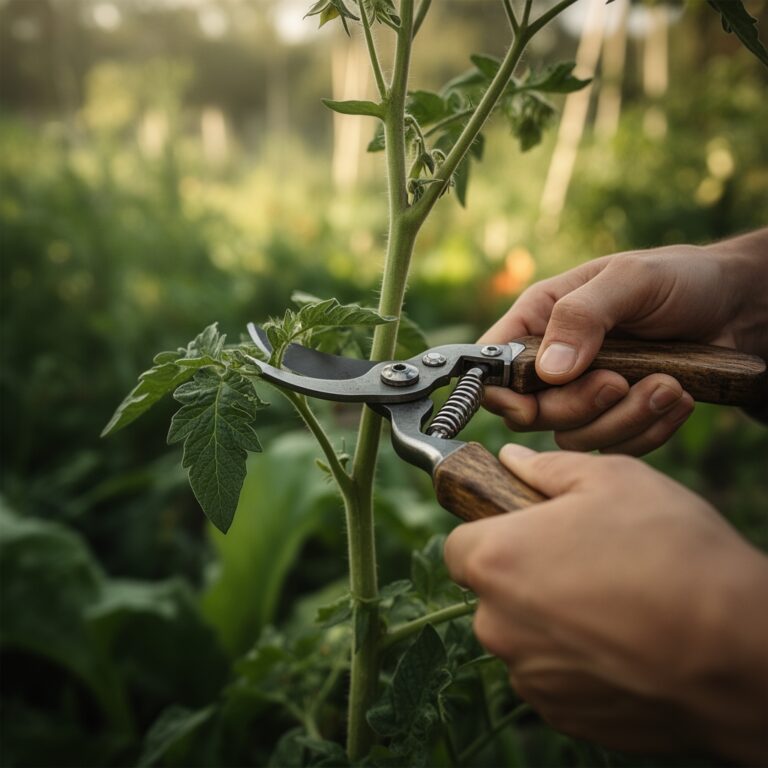
Pro-Tip: Prune tomato suckers at a 45-degree angle when they reach 2 inches. This redirects auxin distribution toward fruit-bearing branches and improves air circulation by 15%, reducing foliar disease pressure.
Troubleshooting
Symptom: Yellowing lower leaves with green veins
Solution: Magnesium deficiency. Foliar spray with 1 tablespoon Epsom salt per gallon of water. Apply every 10 days until color returns.
Symptom: Black, sunken areas on blossom end of fruit
Solution: Blossom-end rot caused by calcium deficiency. Maintain consistent soil moisture at 1 inch per week. Side-dress with gypsum at 2 pounds per 100 square feet.
Symptom: Sticky leaves with white flies
Solution: Whitefly infestation. Spray insecticidal soap rated for Solanaceae at 5-day intervals for 3 weeks. Release Encarsia formosa parasitoid wasps at 5 per plant.
Symptom: Wilting despite adequate water
Solution: Verticillium or Fusarium wilt, soil-borne fungal pathogens. Remove affected plants. Solarize soil with clear plastic for 6 weeks in full sun to raise temperature to 140°F.
Maintenance Protocols
Water at soil level with drip irrigation or soaker hoses. Deliver 1 to 1.5 inches per week, increasing to 2 inches during fruit set. Overhead watering spreads early blight spores. Fertilize every 3 weeks with fish emulsion diluted to 2 tablespoons per gallon. Tomatoes require higher nitrogen during vegetative growth; switch to 2-3-1 ratio at flowering. Peppers tolerate lower nitrogen to prevent excessive foliage at the expense of fruit.
Prune lower tomato leaves up to 12 inches above soil to improve airflow. Scout for hornworms weekly; handpick or apply Bacillus thuringiensis at label rates. Monitor pH monthly during active growth; fluctuations alter nutrient availability.
FAQ
When should I prepare the garden bed?
Four weeks before your last frost date. Amendments integrate fully during this period.
What NPK ratio works best for salsa gardens?
Use 4-4-4 organic fertilizer at planting, transitioning to 2-3-1 during flowering for balanced growth and fruit production.
Can I grow peppers and tomatoes together?
Yes. Both require identical pH, temperature, and watering. Separate by 24 inches to reduce disease transmission.
How do I prevent blossom-end rot?
Maintain consistent moisture at 1 inch per week. Add calcium via gypsum or crushed eggshells at planting.
Should I use raised beds?
Raised beds warm faster, drain better, and simplify pH management. Height of 12 inches optimizes root development.