7 Curb Appeal Steps to Prepare a Front Yard Vegetable Garden
The suburban landscape transforms when row crops and leafy greens colonize the space traditionally reserved for turf and ornamental shrubs. Learning how to prepare a garden for a front yard vegetable garden requires balancing municipal aesthetics with productive horticulture. The soil beneath most lawns has been compacted by foot traffic and starved of organic matter for decades. Reversing this degradation while creating a visually coherent streetscape demands deliberate intervention in soil structure, nutrient cycling, and cultivar selection.
Materials
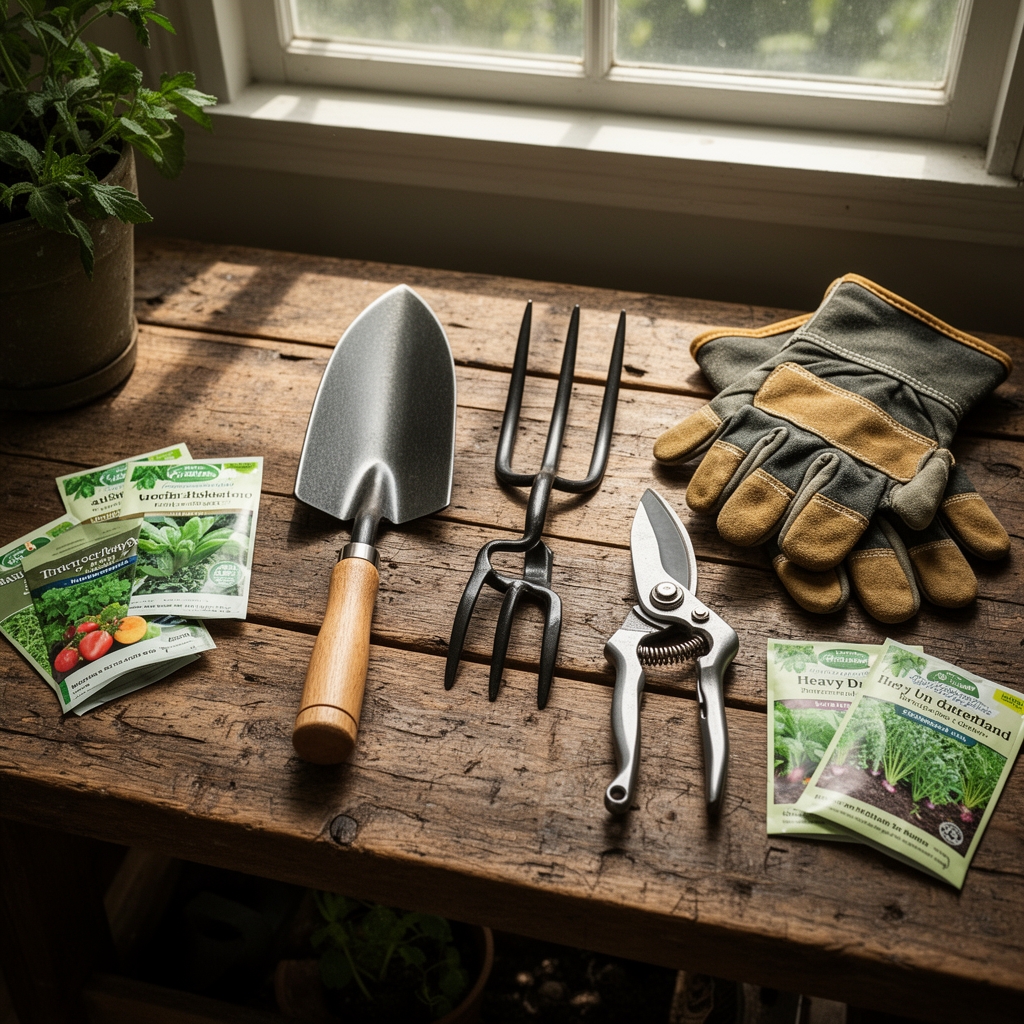
Begin with a soil test kit calibrated for pH, nitrogen, phosphorus, and potassium. Most county extension offices process samples for $15 to $25. Target pH of 6.2 to 6.8 for brassicas and nightshades. Sulfur lowers pH at 1 pound per 100 square feet to drop 0.5 units. Dolomitic lime raises pH at 5 pounds per 100 square feet to increase 0.5 units.
Organic amendments should include composted manure at 2 to 3 inches depth, providing slow-release nitrogen and improving cation exchange capacity. A balanced 4-4-4 organic fertilizer supplies base nutrients. Alfalfa meal (3-1-2) accelerates early vegetative growth through naturally occurring triacontanol. Bone meal (3-15-0) supports root establishment and flowering in fruiting crops. Kelp meal (1-0.5-2.5) introduces trace minerals and cytokinins that enhance stress tolerance.
Structural materials include untreated cedar or composite lumber for raised beds 10 to 12 inches tall. Hardware cloth with 0.25-inch mesh excludes voles and gophers when installed as a bed liner. Drip irrigation tubing with 0.6 GPH emitters spaced every 12 inches delivers water directly to root zones. Landscape fabric (3-ounce weight minimum) suppresses weeds in pathways without impeding drainage.
Timing
Hardiness zones dictate planting windows. USDA Zone 5 residents sow cool-season crops (lettuce, spinach, peas) 4 to 6 weeks before the last frost date. Warm-season transplants (tomatoes, peppers, squash) go into prepared beds 1 to 2 weeks after the final frost when soil temperature reaches 60°F at 4-inch depth.
Zone 7 gardeners can establish a fall garden by direct-seeding brassicas in mid-August for harvest through November. Zone 9 allows winter production of lettuces and root vegetables from October through March. Consult the local cooperative extension for 30-year frost-date averages rather than relying on calendar dates alone.
Soil preparation begins 6 to 8 weeks before planting. This interval allows amendments to integrate and microbial populations to stabilize. Fall preparation for spring planting is ideal. Cover crops such as crimson clover or winter rye protect soil structure and fix atmospheric nitrogen when terminated 3 weeks before transplanting.
Phases
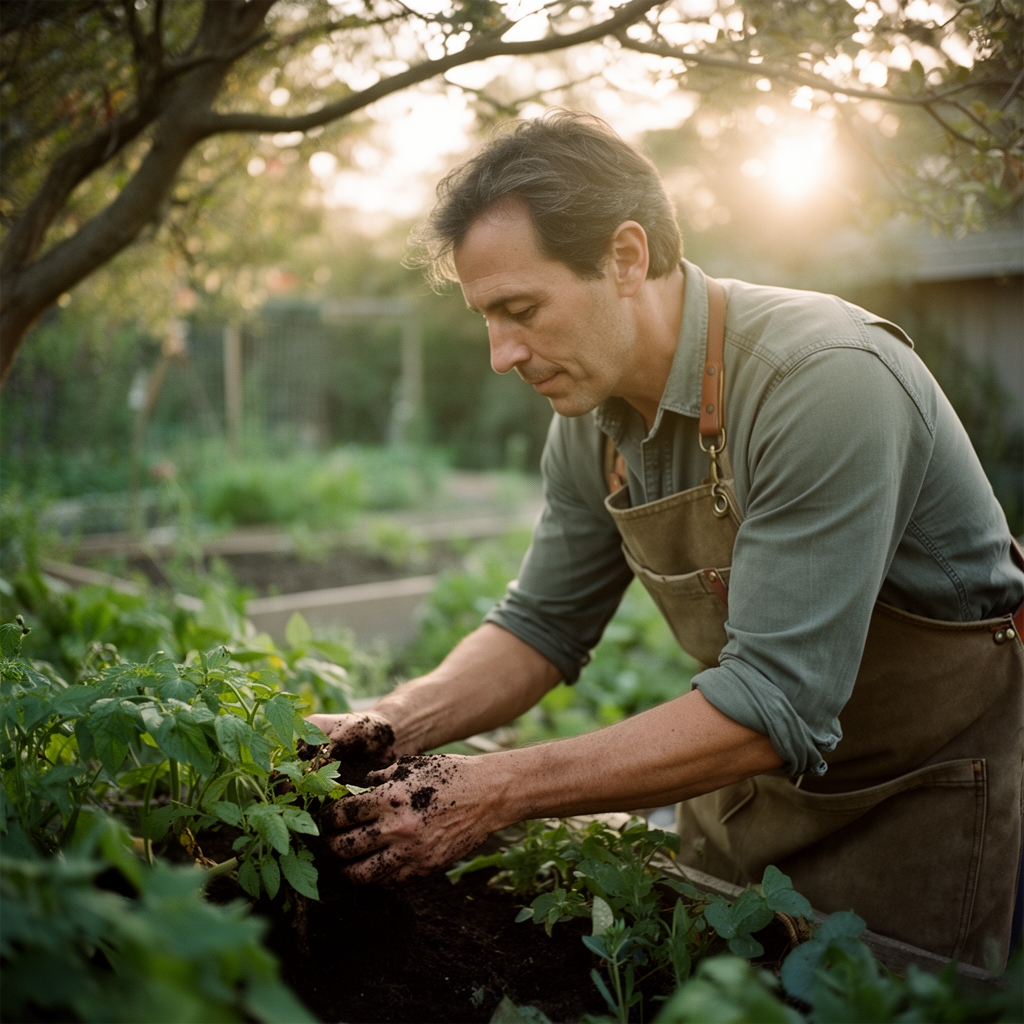
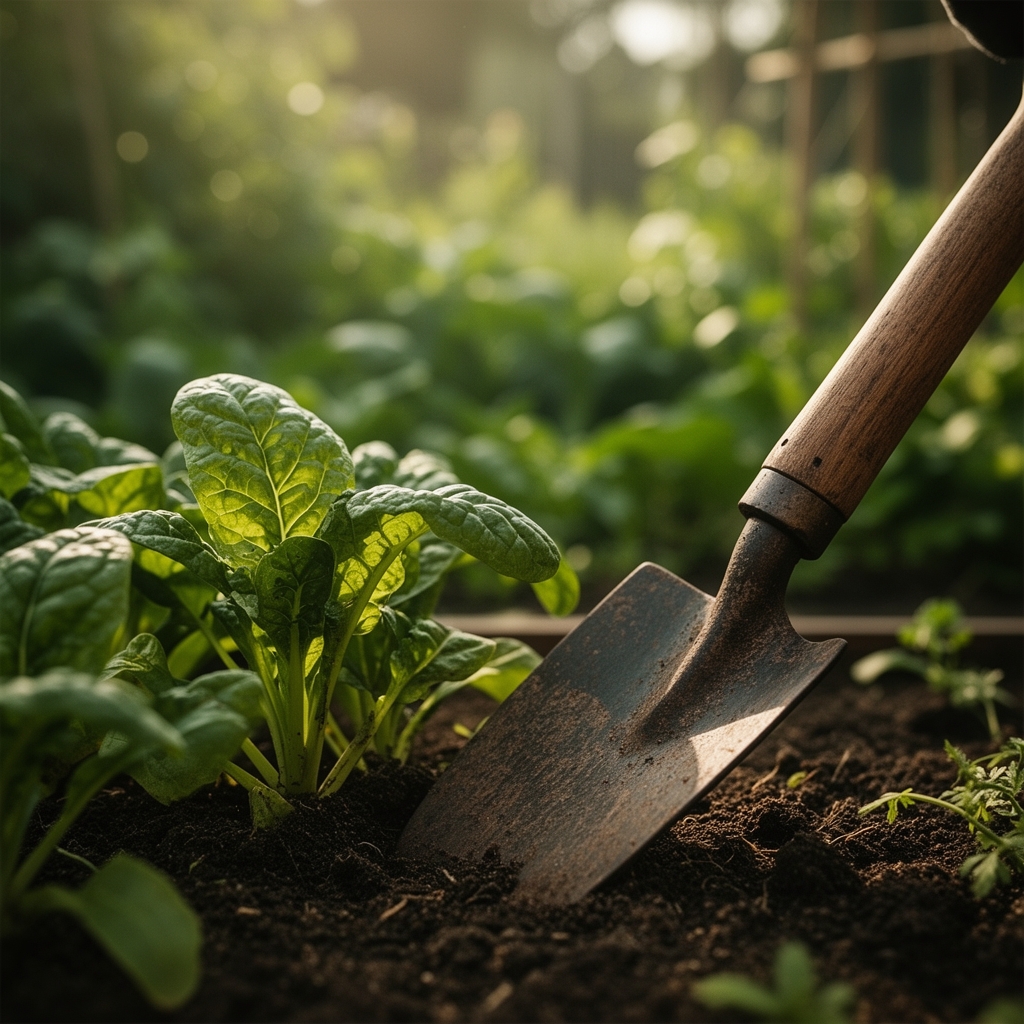
Sowing Phase: Remove existing turf by cutting 2 inches below the surface with a flat spade. Compost the sod or invert it at the bed bottom where decomposition will release nutrients. Loosen subsoil with a broadfork to 12-inch depth without inverting layers. This preserves microbial stratification while fracturing compaction planes. Broadcast amendments and incorporate to 6-inch depth with a garden fork. Rake to create a level surface with aggregate size no larger than a pea.
Pro-Tip: Inoculate transplants with mycorrhizal fungi (Glomus intraradices) at planting. Mix 1 teaspoon of inoculant powder per gallon of potting soil or dust root balls directly. Mycorrhizae extend effective root surface area by 10 to 100 times, improving phosphorus uptake and drought resistance.
Transplanting Phase: Harden off greenhouse-grown seedlings by reducing water and exposing them to outdoor conditions for 7 to 10 days. Transplant on overcast afternoons to minimize transplant shock. Dig holes twice the root ball width. Set transplants at the same depth they grew in containers, except for tomatoes. Bury tomato stems horizontally to the first true leaves. Adventitious roots will form along buried stems, creating a more robust root system.
Pro-Tip: Apply a starter solution of 1 tablespoon fish emulsion (5-1-1) per gallon of water immediately after transplanting. Pour 1 cup around each plant base. The nitrogen supports auxin distribution for rapid root initiation.
Establishing Phase: Mulch beds with 2 to 3 inches of shredded hardwood bark or straw after soil warms to 65°F. Mulch moderates soil temperature, retains moisture, and suppresses annual weeds. Leave a 2-inch gap around plant stems to prevent crown rot. Install support structures (stakes, cages, trellises) within 1 week of transplanting to avoid root disturbance later.
Pro-Tip: Prune tomato suckers at a 45-degree angle when they reach 2 to 3 inches long. This angle sheds water and reduces disease entry points while redirecting carbohydrates to fruit production.
Troubleshooting
Symptom: Interveinal chlorosis on new leaves. Solution: Iron deficiency caused by high pH. Apply chelated iron (Sprint 330) at 1 ounce per gallon as a foliar spray. Retest soil pH and amend with sulfur if above 7.2.
Symptom: Blossom end rot on tomatoes and peppers. Black, sunken lesions appear on fruit bottoms. Solution: Calcium deficiency exacerbated by inconsistent watering. Apply calcium chloride foliar spray at 2 tablespoons per gallon weekly for 3 weeks. Maintain even soil moisture through drip irrigation.
Symptom: Small, round holes in brassica leaves. Solution: Flea beetles (Phyllotreta species). Apply row cover immediately after transplanting. For active infestations, dust plants with kaolin clay (Surround WP) at 2 tablespoons per gallon, coating all leaf surfaces.
Symptom: Powdery white coating on squash leaves. Solution: Powdery mildew (Podosphaera xanthii). Remove affected leaves. Spray remaining foliage with 1 tablespoon baking soda plus 1 tablespoon horticultural oil per gallon of water. Apply weekly in early morning.
Symptom: Stunted growth with purple leaf undersides. Solution: Phosphorus deficiency in cold soil. Wait for soil temperature to exceed 60°F. Side-dress with bone meal at 1 tablespoon per plant, scratching into the top 2 inches of soil.
Maintenance
Water deeply to deliver 1 to 1.5 inches per week, measured with rain gauges placed at soil level. Sandy soils require more frequent irrigation (every 2 to 3 days), while clay soils need less frequent but longer watering sessions (every 5 to 7 days). Irrigate in early morning to allow foliage to dry before evening, reducing fungal disease pressure.
Side-dress nitrogen feeders (corn, leafy greens, brassicas) every 3 to 4 weeks with blood meal (12-0-0) at 1 cup per 10-foot row. Work into the top inch of soil 4 inches from plant stems. Fruiting crops benefit from reduced nitrogen and increased potassium during flowering. Switch to 2-3-1 fertilizers or wood ash (0-1-3) at 1 pound per 100 square feet when first flowers open.
Scout for pests twice weekly. Early detection of aphids, hornworms, and cabbage loopers allows for manual removal before populations explode. Prune diseased foliage immediately, sanitizing shears with 10% bleach solution between cuts.
FAQ
How deep should front yard garden beds be?
Ten to twelve inches provides adequate rooting depth for most vegetables while minimizing material costs and maintaining scale appropriate for residential streetscapes.
Can I grow perennial vegetables in front yards?
Asparagus, rhubarb, and walking onions function well as permanent border plantings. They provide structure during dormant seasons and produce for 10 to 20 years with minimal intervention.
What spacing prevents overcrowding in display gardens?
Use 1.5 times the recommended spacing from seed packets. This allows air circulation, facilitates harvest access, and creates the visual openness that municipal codes often require.
Do I need permission for front yard food gardens?
Seventy percent of municipalities permit edible landscaping. Check local ordinances for height restrictions, setback requirements, and prohibited species lists before installation.
Which crops offer the best curb appeal?
Rainbow chard, purple kale, tricolor bush beans, and compact determinant tomatoes combine ornamental form with productive function. Arrange by height with tallest plants at the rear or center of beds.