9 Safety Steps to Prepare a Children’s Vegetable Garden
Learning how to prepare a garden for a children's vegetable garden begins with soil. The scent of turned earth, the grit of amendments between fingers, and the weight of a spade in small hands create lasting memories. Young gardeners need plots that forgive mistakes while teaching core principles. Safety, accessibility, and age-appropriate tasks transform a standard bed into a teaching laboratory where biology meets responsibility.
Materials
Base the soil blend on a pH range of 6.2 to 6.8 for maximum nutrient availability. Test existing soil with a probe meter or send samples to a county extension lab for cation exchange capacity analysis. Amend clay or sand with 3 cubic yards of aged compost per 100 square feet. Add a balanced organic fertilizer rated 4-4-4 or 5-5-5 at 2 pounds per 100 square feet to establish baseline nitrogen, phosphorus, and potassium levels.
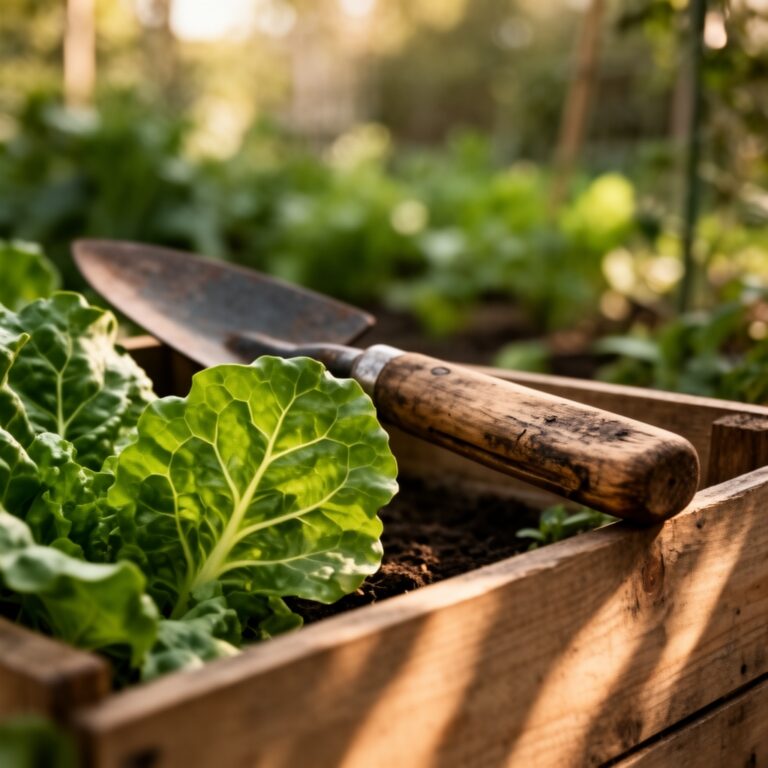
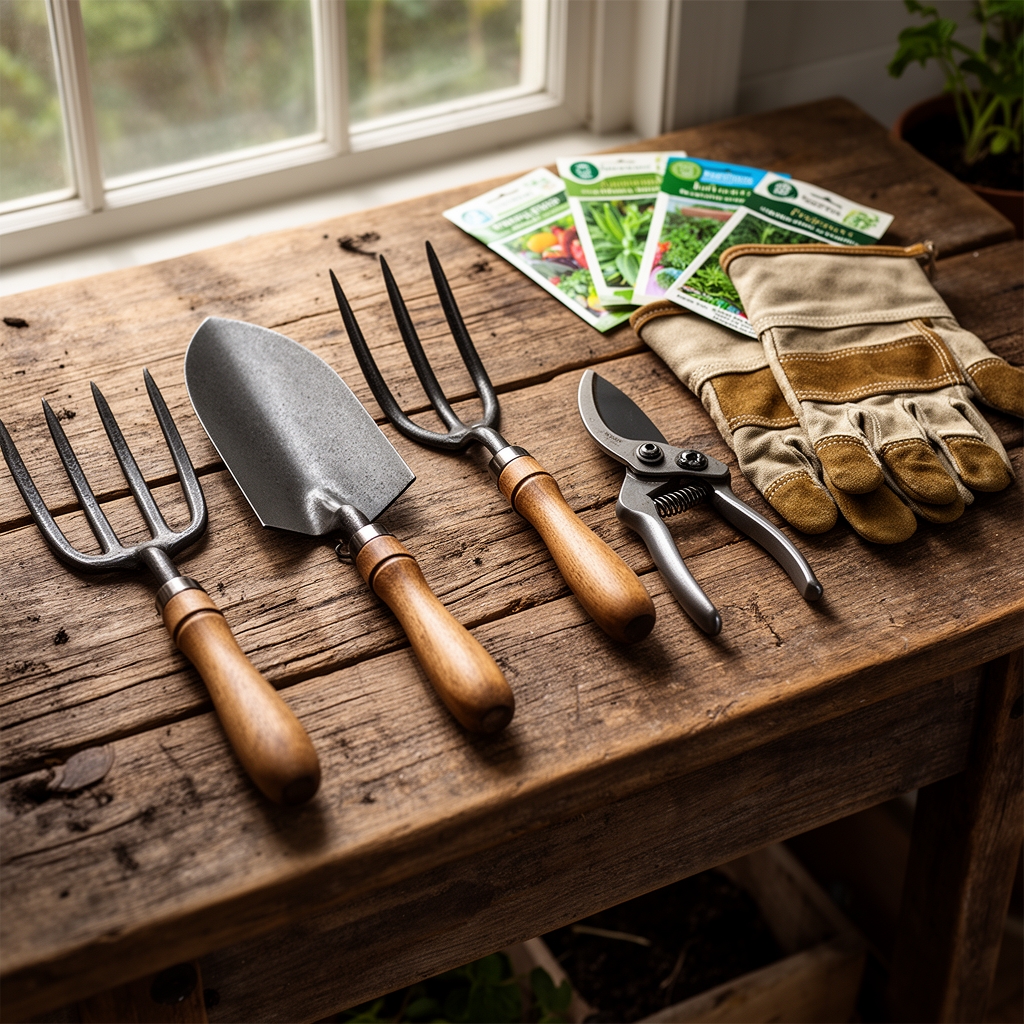
Source rounded river stones or tumbled gravel for pathway edging. Avoid crushed rock with sharp facets that can cut knees and palms. Install 4-foot cedar or composite lumber for raised bed frames, eliminating pressure-treated wood containing copper compounds. Stock a child-sized toolset: a 24-inch rake, a 6-inch trowel, and a 1-gallon watering can with a rose head to prevent soil compaction.
Integrate mycorrhizal fungi inoculant at 1 tablespoon per transplant hole. These symbiotic organisms colonize root systems and extend phosphorus uptake by 400 percent. Select crop varieties labeled "determinate" or "bush" to limit sprawling growth that obscures paths. Purchase OMRI-listed neem oil concentrate and Bacillus thuringiensis var. kurstaki powder for organic pest intervention.
Timing
Consult the USDA Hardiness Zone map to identify your growing window. Zones 5 through 7 offer a 120- to 150-day frost-free period. Record your last spring frost date and first fall frost date. Begin soil preparation 4 weeks before the last spring frost to allow amendments to integrate with native particles.
Direct-sow cool-season crops such as radishes and snap peas when soil temperature reaches 45°F at a 2-inch depth. Use a soil thermometer rather than estimating. Transplant warm-season crops like tomatoes and peppers only after nighttime air temperatures hold steady above 55°F for seven consecutive days. Auxin distribution in seedlings becomes erratic below this threshold, resulting in stunted growth.
In Zone 6, plant radishes from April 1 to April 15. Transplant tomato seedlings from May 15 to May 30. Succession-plant bush beans every 14 days from May 20 through July 10 to extend harvest. Fall crops require backward calculation: subtract days-to-maturity from the first fall frost date, then subtract an additional 14 days to account for declining autumn light.
Phases
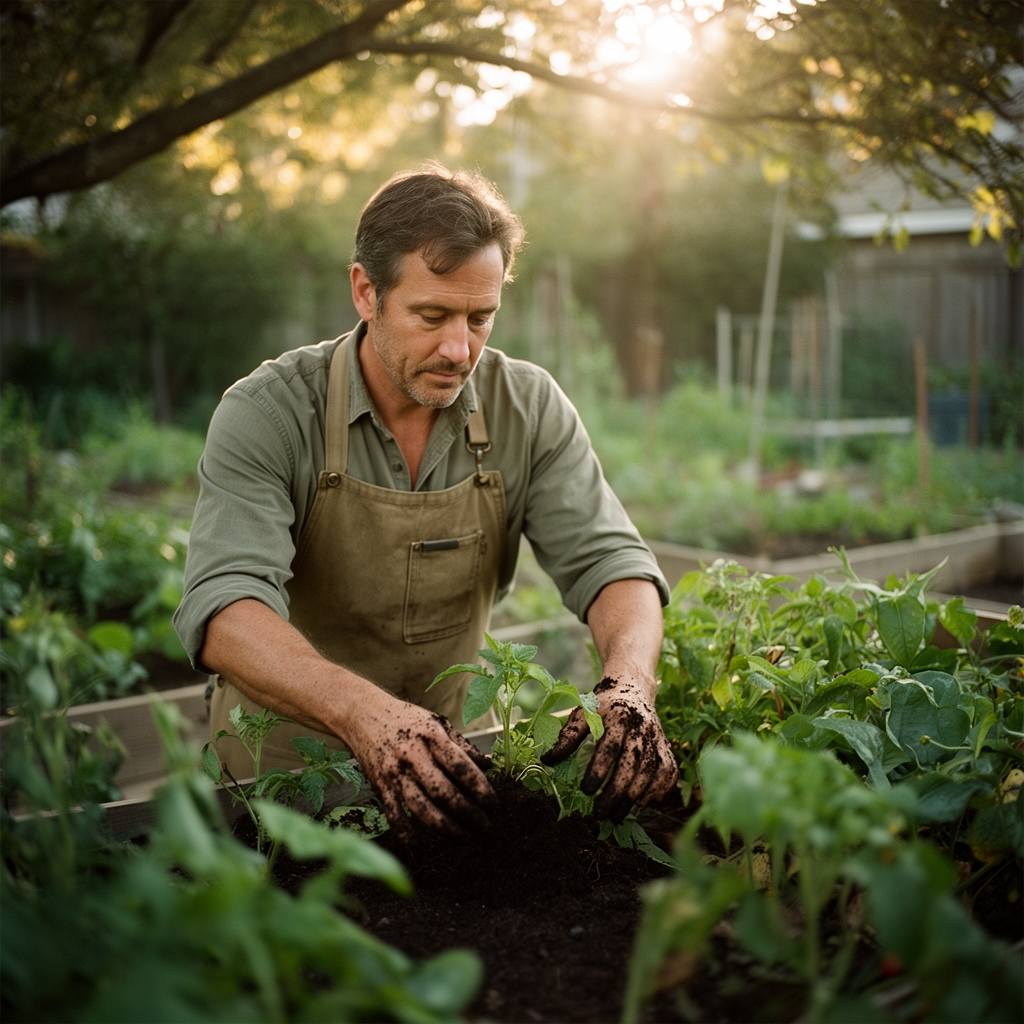
Sowing
Clear the plot of perennial weeds by removing root systems to a depth of 8 inches. Spread amendments evenly and incorporate to a depth of 6 inches using a broadfork to preserve soil structure. Rake the surface smooth and create shallow furrows 0.5 inches deep for small seeds. Space rows 18 inches apart for easy access.
Pro-Tip: Inoculate legume seeds (peas, beans) with Rhizobium bacteria powder before sowing. Dampen seeds lightly, dust with inoculant, and plant within 2 hours to maximize nitrogen fixation capacity.
Transplanting
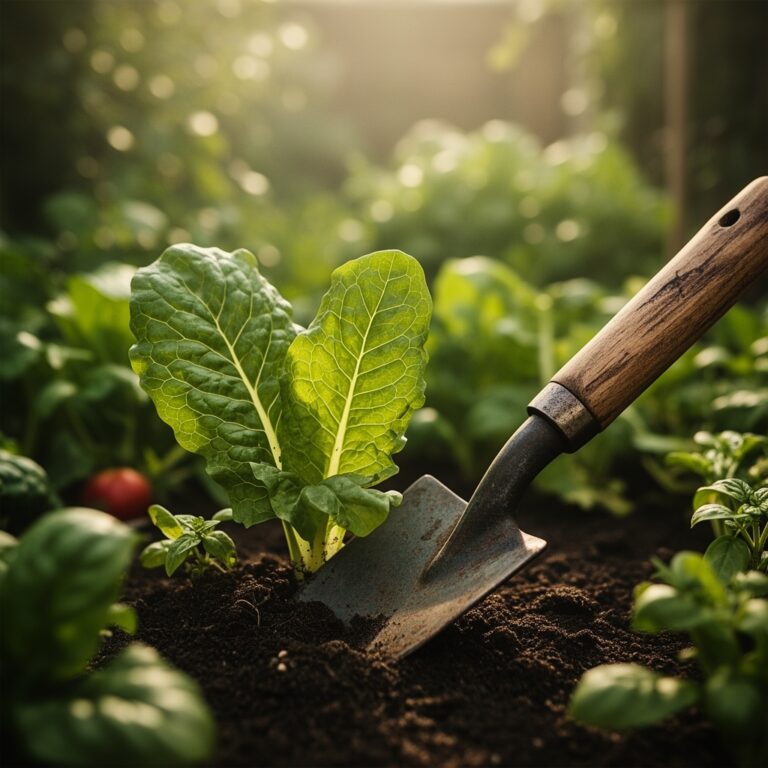
Harden off greenhouse-grown seedlings over 7 days by gradually increasing outdoor exposure. Begin with 2 hours in full shade, then progress to 4 hours of morning sun. Dig planting holes twice the width of root balls and equal in depth. Position transplants so the soil line matches the original container depth to prevent stem rot.
Pro-Tip: Prune tomato seedlings at a 45-degree angle to remove the lowest set of true leaves. Bury the stem up to the next leaf node. Adventitious roots will form along the buried portion, creating a more robust vascular system.
Establishing
Water transplants immediately with 1 quart per plant. Apply a 2-inch layer of shredded hardwood mulch around each seedling, leaving a 3-inch gap at the stem to prevent fungal colonization. Install 4-foot bamboo stakes at transplant time for determinate tomatoes to avoid later root disturbance.
Pro-Tip: Mix kelp meal at 1 tablespoon per gallon into establishment waterings. Cytokinins in kelp extract stimulate lateral root branching and improve stress tolerance during the transition phase.
Troubleshooting
Symptom: Damping-off disease. Seedlings topple at soil level with blackened, constricted stems.
Solution: Apply a drench of chamomile tea (2 tablespoons dried flowers per quart) at sowing. Reduce watering frequency and increase air circulation.
Symptom: Blossom end rot. Dark, sunken lesions appear on tomato bottoms.
Solution: This calcium deficiency stems from irregular watering. Deliver 1.5 inches of water weekly in a single deep session rather than multiple shallow sprinkles.
Symptom: Aphid colonies. Green or black insects cluster on shoot tips and leaf undersides.
Solution: Spray neem oil solution (2 tablespoons concentrate per gallon) at sunset to avoid photosensitivity. Repeat every 7 days for 3 applications.
Symptom: Powdery mildew. White fungal coating on leaf surfaces.
Solution: Mix 1 tablespoon baking soda and 1 teaspoon horticultural oil per gallon. Apply to all leaf surfaces weekly. Improve spacing for airflow.
Maintenance
Deliver 1.5 inches of water per week measured with a rain gauge. Water in early morning to allow foliage to dry before evening. Side-dress plants with 5-10-10 fertilizer at 1 tablespoon per plant when flowers first appear. Reapply every 3 weeks.
Scout for pests twice weekly. Check leaf undersides and stem junctions where insects concentrate. Handpick hornworms and drop into soapy water. Harvest crops at peak maturity: radishes at 1 inch diameter, snap peas when pods show visible seeds, tomatoes when fully colored but still firm.
FAQ
How deep should a children's vegetable garden bed be?
Eight inches minimum for root crops like carrots. Twelve inches accommodates tomato and pepper root systems fully.
What vegetables grow fastest for impatient children?
Radishes mature in 25 days. Leaf lettuce reaches harvest size in 30 days. Both provide quick rewards.
Should children's gardens use raised beds or ground plots?
Raised beds offer superior drainage, warmer soil temperatures, and ergonomic working height for young gardeners aged 4 to 10.
How do you prevent tool-related injuries?
Store tools with blades facing down. Teach the "carry low" rule: always transport tools at thigh height with sharp ends pointed toward the ground.
Can children safely apply fertilizers?
Yes, under supervision. Demonstrate proper measurement and require handwashing immediately after application. Use only organic formulations rated safe for edible crops.