8 Steps to Prepare a Pizza Garden for Fresh Toppings
Learning how to prepare a garden for a pizza vegetable garden transforms a bare patch of soil into a productive ecosystem that yields tomatoes, basil, peppers, and oregano within ninety days. The scent of sun-warmed basil oil glands and the weight of heirloom tomatoes in your palm become tangible rewards for proper soil preparation. Each amendment you incorporate, each pH adjustment you make, and each microbial population you cultivate directly influences fruit sugar content and essential oil concentration. This system demands precision in timing, nutrient ratios, and spatial design to synchronize harvest windows across multiple species.
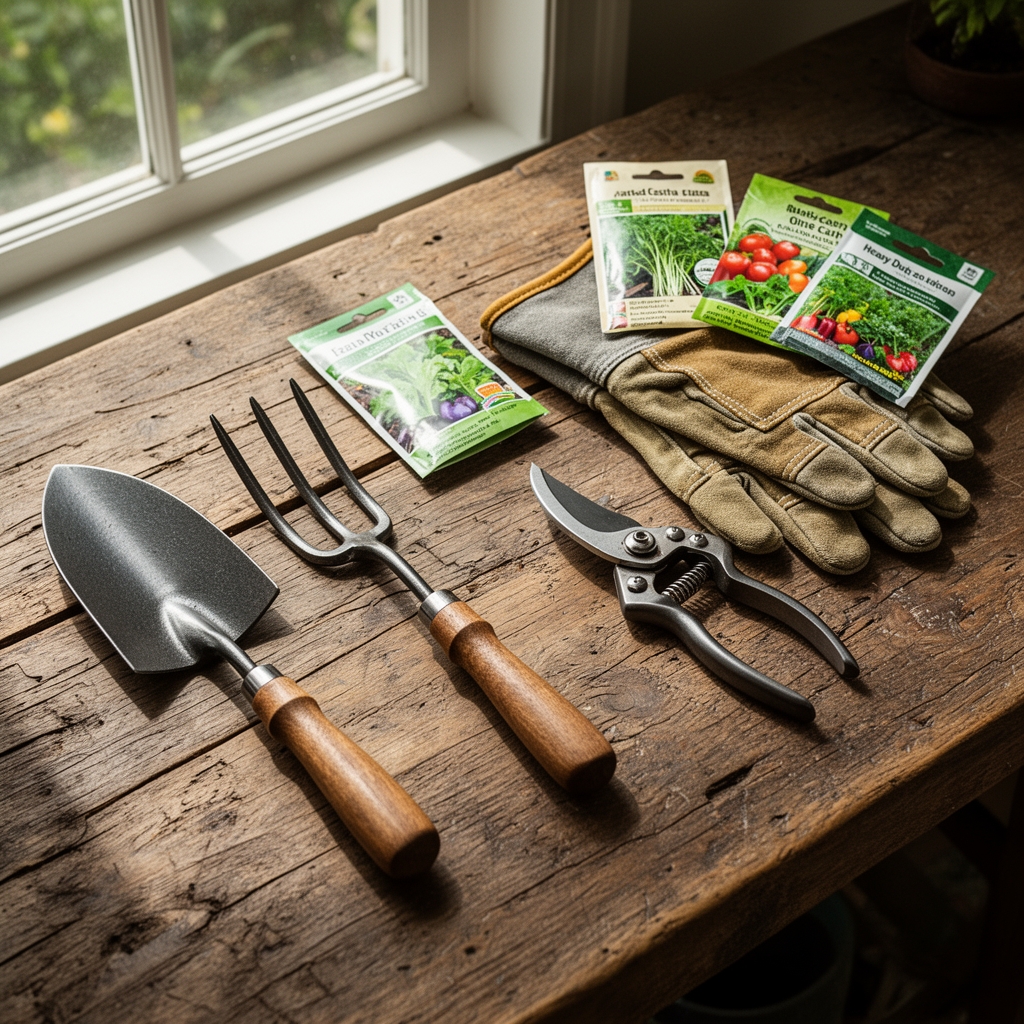
Materials
Target a soil pH between 6.2 and 6.8 for optimal calcium uptake in tomatoes and peppers. Use dolomitic lime at 5 pounds per 100 square feet to raise pH by one full point in loamy soil. Apply elemental sulfur at 1 pound per 100 square feet to lower pH by 0.5 units. Test cation exchange capacity before adding amendments. Soils with CEC below 10 meq/100g require additional organic matter to retain nutrients.
Select a balanced organic fertilizer with a 4-4-4 NPK ratio for initial soil preparation. This ratio supports vegetative growth in basil and oregano while preventing excess nitrogen that delays flowering in tomatoes. Incorporate aged compost at 2 cubic yards per 100 square feet to increase humus content and improve soil structure. Add mycorrhizal fungi inoculant at transplant time. Species in the genus Glomus form associations with tomato and pepper roots, extending phosphorus acquisition by 300 percent.
Use untreated cedar boards or galvanized steel for raised bed construction. Beds should measure 4 feet wide to allow arm's reach from both sides. Depth of 12 inches accommodates the root systems of determinate tomatoes and shallow-rooted basil. Install drip irrigation tubing on 12-inch centers before mulching.
Timing
Hardiness zones determine planting windows for pizza garden crops. In zones 5 through 7, transplant tomatoes and peppers two weeks after the last frost date when soil temperature reaches 60°F at a 4-inch depth. Direct-sow basil seeds when soil temperature stabilizes at 70°F. Oregano tolerates cooler conditions and can be planted three weeks before the last frost.
In zones 8 through 10, plant tomatoes in early March for a June harvest, then again in August for fall production. High summer temperatures above 95°F prevent fruit set in tomatoes. Time plantings so flowers develop during periods when nighttime lows remain between 55°F and 75°F.
Start seeds indoors under full-spectrum grow lights 6 to 8 weeks before transplant date. Maintain seed-starting mix temperature at 75°F to 80°F using heating mats. Provide 14 hours of light daily at 3 inches above seedling canopy.
Phases
Sowing
Fill cells with sterile seed-starting mix containing peat moss and perlite at a 3:1 ratio. Plant tomato seeds at 0.25-inch depth. Basil seeds require light for germination, so press them into the surface without covering. Apply bottom heat to maintain 75°F substrate temperature. Germination occurs in 5 to 7 days for tomatoes and 7 to 10 days for basil.
Pro-Tip: Water seedlings with a dilute solution of kelp extract at 1 tablespoon per gallon to stimulate auxin distribution and root initiation. Apply twice weekly until transplant.
Transplanting
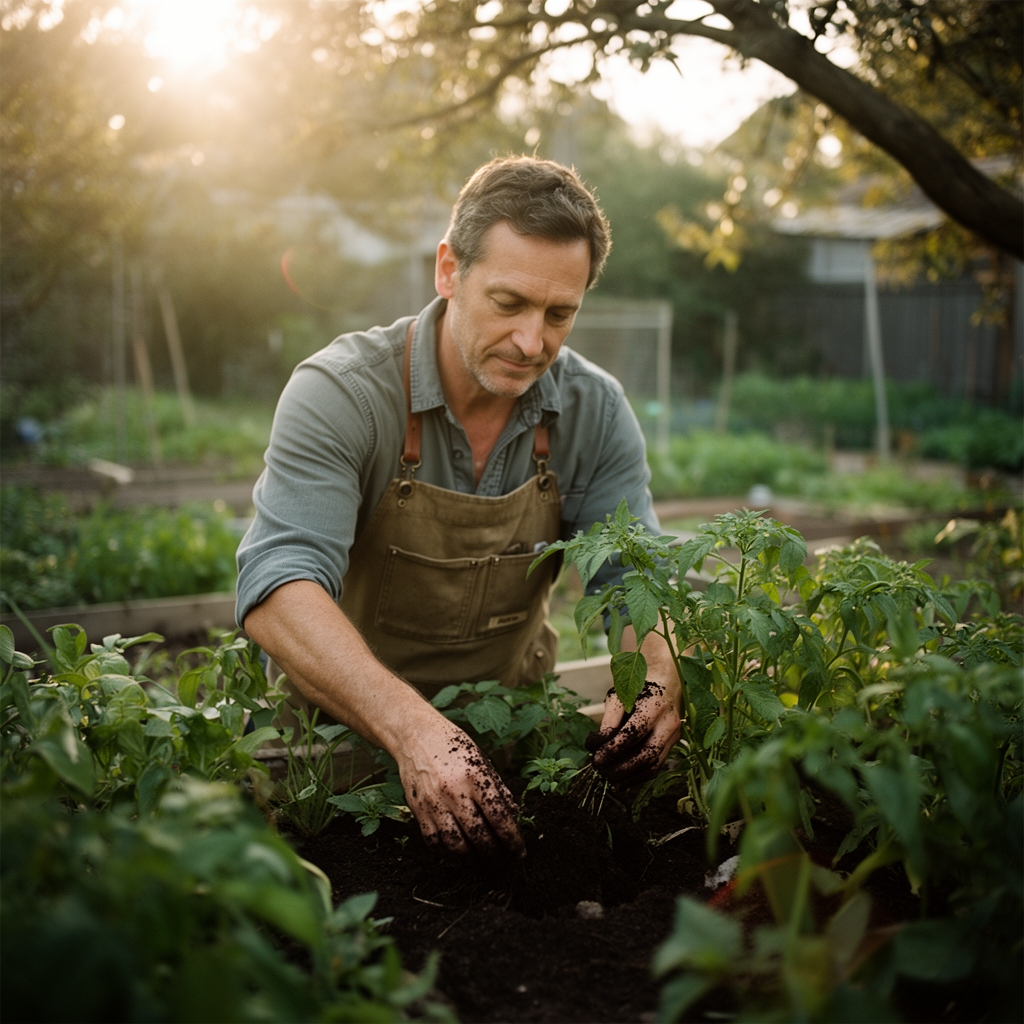
Harden off seedlings by reducing water and exposing them to outdoor conditions over 7 days. Increase sun exposure by 2 hours daily. Dig planting holes 8 inches deep and 12 inches wide. Remove lower leaves from tomato seedlings and bury stems up to the first true leaves. Adventitious roots form along buried stem tissue, creating a more extensive root system.
Space determinate tomatoes 24 inches apart. Space basil at 12-inch intervals. Plant oregano 18 inches apart along bed edges. Apply transplant solution of 1-2-1 NPK ratio at half strength to reduce transplant shock.
Pro-Tip: Inoculate planting holes with Trichoderma harzianum at 1 teaspoon per hole to suppress Fusarium and Pythium species that cause damping-off.
Establishing
Install stakes or cages at transplant time to avoid root damage later. Use 6-foot stakes for indeterminate varieties. Prune tomato suckers at 45-degree angles when they reach 2 inches long to concentrate energy into main stem fruit production. Leave the first sucker below the first flower cluster to increase total yield by 15 percent.
Mulch with 3 inches of straw or shredded leaves after soil warms to 70°F. Mulch moderates soil temperature fluctuations and reduces water evaporation by 60 percent. Keep mulch 2 inches away from plant stems to prevent crown rot.
Pro-Tip: Pinch basil terminal buds when plants reach 6 inches tall to promote lateral branching. This single action increases leaf production by 200 percent over unpruned plants.
Troubleshooting
Symptom: Blossom end rot appears as dark, sunken lesions on tomato fruit bases.
Solution: Calcium deficiency caused by inconsistent watering. Apply calcium chloride foliar spray at 2 tablespoons per gallon weekly. Maintain even soil moisture at 1 inch per week.
Symptom: Basil leaves develop brown spots with yellow halos.
Solution: Pseudomonas cichorii bacterial leaf spot spreads through overhead watering. Switch to drip irrigation. Remove infected leaves. Apply copper hydroxide at 1.5 tablespoons per gallon every 7 days.
Symptom: Tomato hornworms strip foliage in 48 hours.
Solution: Manduca quinquemaculata larvae reach 4 inches long. Hand-pick at dawn when dew makes them visible. Apply Bacillus thuringiensis var. kurstaki at 0.5 tablespoons per gallon. Spray undersides of leaves.
Symptom: Pepper plants exhibit stunted growth with purple-tinged leaves.
Solution: Phosphorus deficiency in cold soil below 60°F. Apply liquid bone meal at 2 tablespoons per gallon as a soil drench. Use black plastic mulch to raise soil temperature.
Symptom: Powdery white coating on oregano leaves.
Solution: Erysiphe species fungal infection in humid conditions. Space plants for air circulation. Spray with potassium bicarbonate at 1 tablespoon per gallon of water plus 1 teaspoon horticultural oil.
Maintenance
Apply 1 inch of water per week measured with a rain gauge. Water in early morning to allow foliage to dry before nightfall. Deep watering encourages roots to penetrate 12 inches into soil rather than remaining shallow.
Side-dress tomatoes with 5-10-10 fertilizer at 0.5 cup per plant when first fruits reach 1 inch diameter. Repeat every 3 weeks through harvest. Avoid high-nitrogen fertilizers after fruit set begins.
Harvest basil by cutting stems 0.25 inch above leaf nodes every 2 weeks. This stimulation triggers dormant meristems to produce new growth. Never remove more than one-third of total plant mass in a single harvest.
Test soil pH every 4 weeks. Tomatoes deplete calcium and magnesium rapidly. Top-dress with dolomitic lime at 2 pounds per 100 square feet if pH drops below 6.2.
Monitor for aphids on new basil growth. Dislodge with a strong stream of water or apply insecticidal soap at 5 tablespoons per gallon. Repeat every 3 days for three applications.
FAQ
When should I plant my pizza garden?
Plant two weeks after your last frost date when soil reaches 60°F at 4-inch depth. In zone 7, this typically occurs in mid-May.
What spacing prevents disease in pizza gardens?
Allow 24 inches between tomato plants and 12 inches for basil. Proper spacing ensures air circulation that keeps foliage dry and reduces fungal pressure by 70 percent.
How often should I fertilize pizza vegetables?
Apply balanced 4-4-4 organic fertilizer at planting, then side-dress tomatoes with 5-10-10 every 3 weeks after fruit set. Basil and oregano require no additional feeding in properly amended soil.
Can I grow pizza gardens in containers?
Use 10-gallon containers minimum for tomatoes and 2-gallon pots for basil. Container soil dries faster, requiring daily watering in temperatures above 85°F.
Why do my tomato flowers drop without forming fruit?
Night temperatures above 75°F or below 55°F prevent pollination. Daytime temperatures above 95°F cause flower abortion. Time plantings for moderate temperature windows in your zone.