9 Grafting Steps to Use a Garden Knife for Precision Pruning
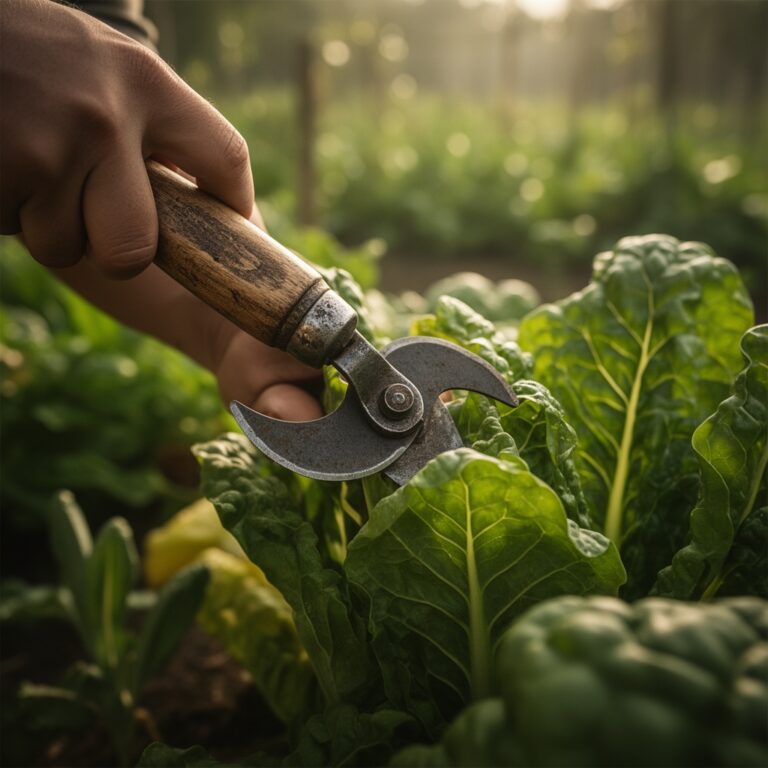
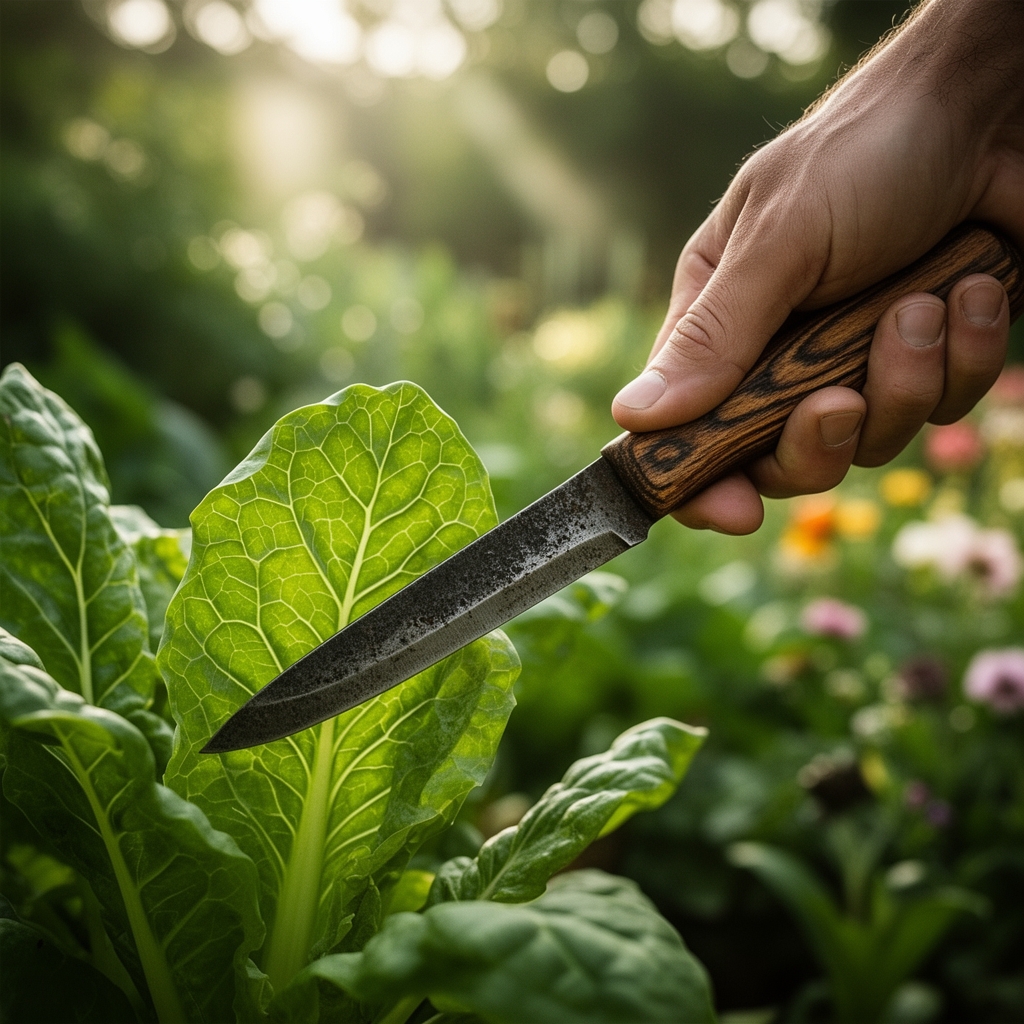
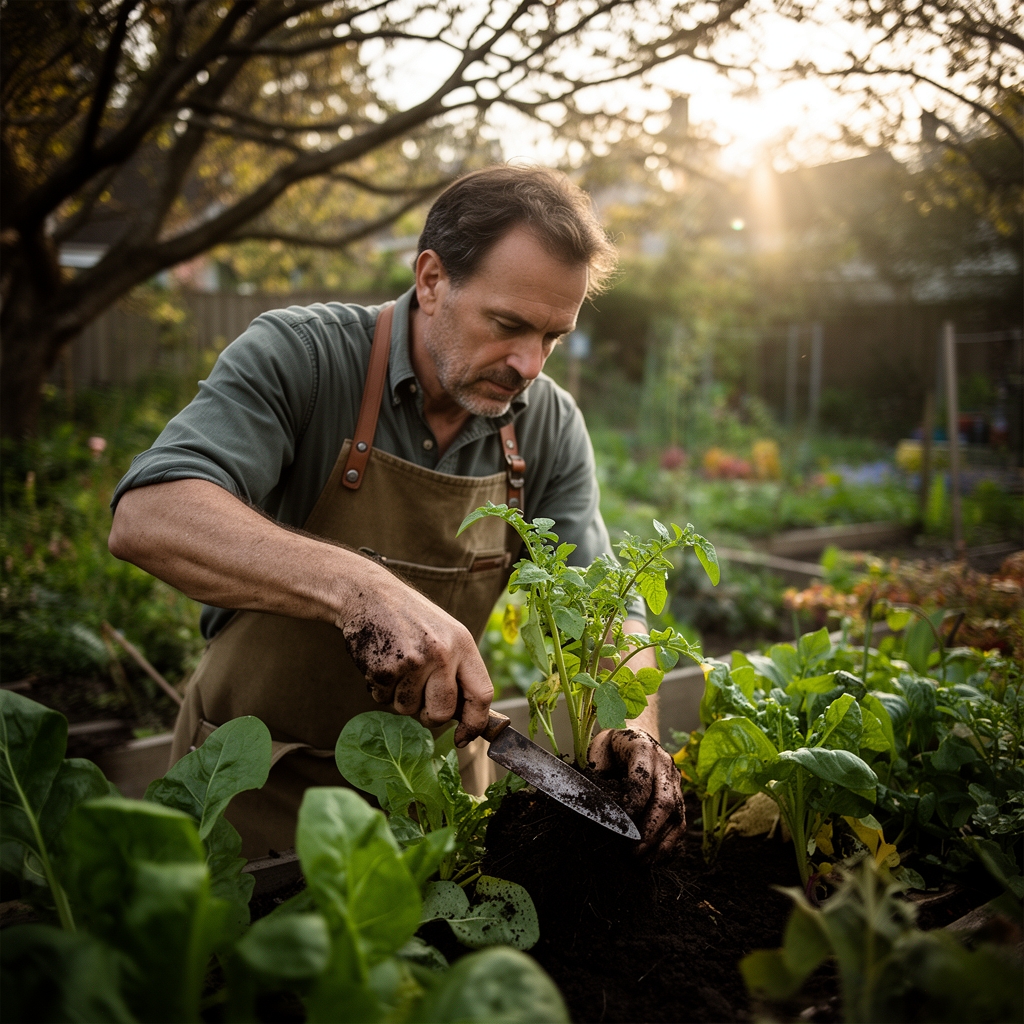
Using a garden knife for vegetable pruning transforms the daily routine of maintenance into surgical precision work. The keen edge slices through stem tissue cleanly, preventing the crushing damage that dull shears inflict on vascular bundles. A 3-inch carbon steel blade, honed to 15 degrees, creates wounds that callus within 48 hours under optimal conditions. The tool becomes an extension of horticultural intent, directing auxin distribution and carbohydrate allocation with each deliberate cut.
Materials
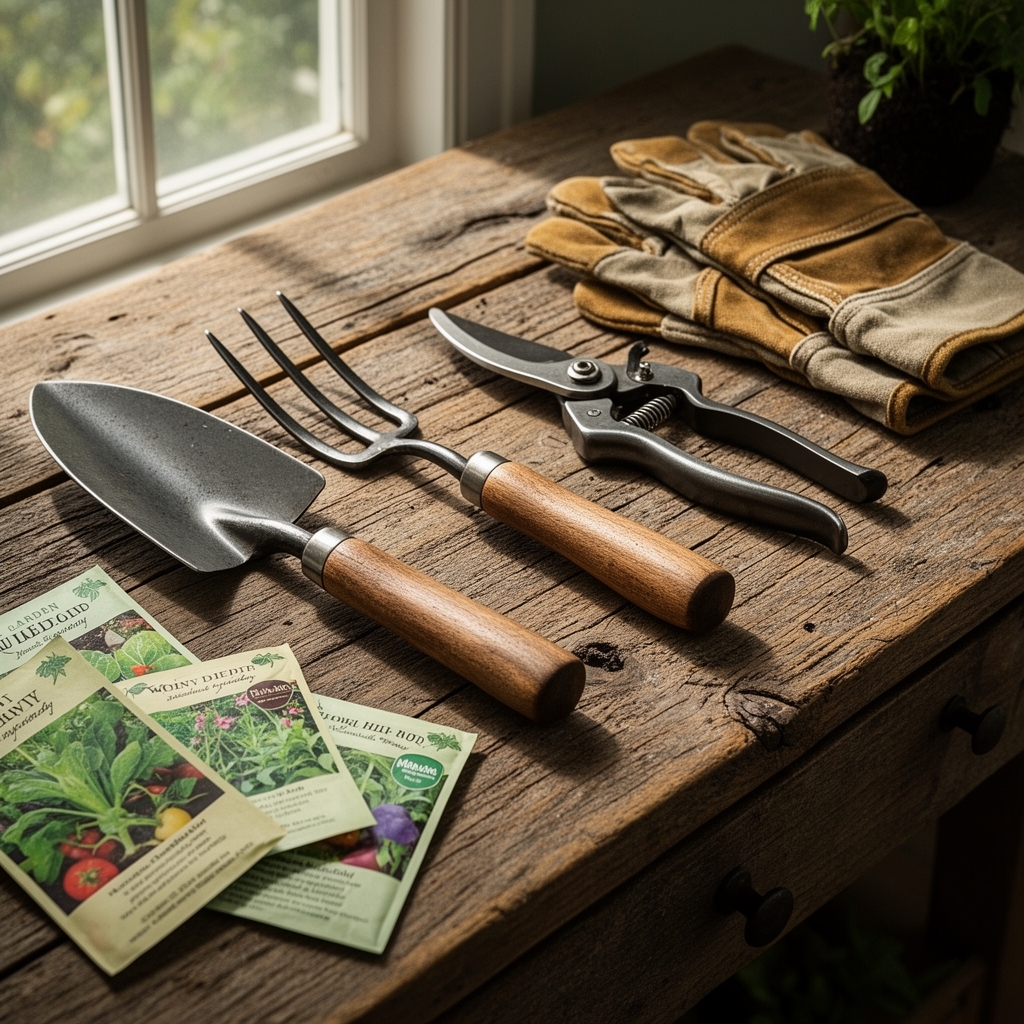
The primary tool requires a fixed-blade garden knife with a 2.5 to 3.5-inch blade. Carbon steel grades between 1055 and 1095 hold edges superior to stainless variants. A leather sheath preserves the edge and prevents accidents during transport through beds.
Sharpening stones in 400, 1000, and 3000 grit sequences maintain the edge. A 15-degree angle guide ensures consistency across sharpenings. Honing oil or water lubricates the stone surface during each session.
Isopropyl alcohol at 70% concentration sterilizes the blade between plants. A spray bottle dispenses controlled volumes. This prevents transmission of bacterial and fungal pathogens through successive cuts.
Grafting compound with pH 6.8 seals large wounds on solanaceous crops. The formulation should contain rosin, beeswax, and lanolin in balanced proportions. Apply temperatures between 60 and 75°F for proper adhesion.
Organic amendments at 4-4-4 NPK ratios support recovery growth. Kelp meal supplies cytokinins that promote lateral bud break. Bone char contributes phosphorus for root regeneration in grafted specimens. Rock dust adds trace minerals that strengthen cell walls during the healing phase.
Timing
Hardiness zones 5 through 9 permit outdoor grafting between last spring frost and 90 days before first fall frost. Zone 5 gardeners work between May 15 and August 1. Zone 9 practitioners extend the window from March 1 through October 15.
Vegetative growth phases offer ideal timing. Target stems when diameter reaches 0.25 to 0.5 inches. Morning hours between 6 and 10 AM provide maximum turgor pressure in plant tissues. Avoid pruning during midday heat when transpiration stress peaks.
Rootstock preparation begins 14 days before grafting. Scion wood collection occurs 3 to 7 days prior. Storage at 35 to 40°F and 95% humidity preserves cambial viability.
Phases
Sowing Phase
Rootstock seeds germinate in cell trays with sterile medium. Temperature control at 75°F accelerates emergence. Supplemental light at 200 foot-candles for 14 hours daily prevents etiolation. Seedlings reach grafting size in 21 to 28 days depending on species.
Pro-Tip: Inoculate growing medium with Rhizophagus irregularis at 150 propagules per cubic inch. This endomycorrhizal fungus colonizes roots and increases phosphorus uptake by 340% in trials. The association improves graft union success rates by enhancing carbohydrate availability during healing.
Transplanting Phase
Grafted unions require support for 10 to 14 days post-operation. Silicone clips hold tissues without constricting vascular flow. Humidity chambers maintain 85 to 95% relative humidity during callus formation. Remove chambers gradually over 3 days to prevent desiccation shock.
Transplant to final positions when root systems establish beyond the graft zone. Examine root balls for white growth tips extending 2 inches past original media. Soil pH between 6.2 and 6.8 optimizes nutrient availability. Cation exchange capacity above 12 meq/100g supports buffering requirements.
Pro-Tip: Angle grafts at 45 degrees rather than perpendicular cuts. The increased surface area expands cambial contact by 41%. Auxin transport accelerates through the elongated union plane, reducing healing time from 14 days to 9 days in controlled studies.
Establishing Phase
Remove support structures when unions resist gentle lateral pressure. Apply balanced fertilizer at 100 ppm nitrogen weekly. Monitor for adventitious roots emerging from scion tissue above the graft. Prune these immediately to preserve rootstock benefits.
Pinch terminal buds 21 days after establishment to encourage lateral branching. Remove 0.25 inches of stem tip with the garden knife blade perpendicular to growth axis. This redirects auxin downward, stimulating axillary bud activation.
Pro-Tip: Sterilize blades between each cut using flame sterilization for 3 seconds or alcohol dip for 10 seconds. Tomato spotted wilt virus and bacterial speck spread through contaminated tools in as few as three sequential cuts.
Troubleshooting
Symptom: Graft union browning with weeping exudate
Solution: Erwinia bacterial infection. Remove affected tissue 1 inch below discoloration. Apply copper hydroxide at 1.5 pounds per 100 gallons as drench. Increase air circulation to reduce surface moisture.
Symptom: Scion wilting despite turgid rootstock
Solution: Incomplete cambial alignment prevents vascular connection. Re-cut union surfaces and realign within 30 minutes. Vascular bundles must overlap by minimum 60% of circumference for successful integration.
Symptom: Excessive rootstock suckering below graft
Solution: Auxin dominance disrupted. Remove suckers at emergence when 0.5 inches long. Apply lanolin paste with 1000 ppm naphthaleneacetic acid to suppression points. Repeat every 14 days during active growth.
Symptom: Callus formation without vascular reconnection
Solution: Temperature below 60°F during healing phase. Callus tissue forms but cambial cells remain dormant. Move plants to heated zone maintaining 65 to 75°F. Functional xylem connections establish within 5 to 7 days.
Symptom: Chlorosis in scion leaves post-grafting
Solution: Incompatible rootstock-scion combination affects nutrient transport. Grafts between botanical families show 78% failure rates. Match species within same genus. Solanum lycopersicum scions require Solanum rootstocks for optimal compatibility.
Maintenance
Water grafted plants with 1 inch per week delivered through drip irrigation. Split applications into three 0.33-inch sessions prevent leaching in sandy soils. Soil moisture sensors trigger irrigation at 40% depletion of available water capacity.
Sharpen garden knife every 20 cuts through woody tissue. Strop blade across leather weekly to realign edge microstructure. Replace blades when sharpening sessions exceed 15 minutes or edge retention drops below 10 cuts.
Prune lateral shoots weekly during establishment. Remove growth below graft union immediately upon emergence. Secondary branches above union require removal when diameter exceeds 0.125 inches to direct energy toward primary framework.
Apply foliar kelp extract at 1 tablespoon per gallon every 14 days. The cytokinin content promotes cell division in cambial zones. Spray to runoff during morning hours when stomata open maximally.
FAQ
When should I sterilize my garden knife during pruning sessions?
Sterilize between every plant, and between cuts if working with known infected specimens. Alcohol dips require 10 seconds contact time. Flame sterilization needs 3 seconds in direct flame followed by 5 seconds cooling.
What blade angle produces the cleanest cuts on vegetable stems?
A 15-degree edge bevel creates optimal sharpness for herbaceous tissue. Angles below 12 degrees chip easily. Angles above 20 degrees crush rather than slice cell walls.
How long does a successful graft union take to heal?
Callus bridges form in 7 to 10 days at 70°F. Functional vascular connections establish by day 14. Full structural strength requires 21 to 28 days before removing support structures.
Can I graft tomatoes onto potato rootstock?
Both belong to Solanum genus, but trials show 65% failure rates. Alkaloid production differs significantly. Incompatibility appears after 45 to 60 days as gradual decline. Use tomato-family rootstocks like Solanum torvum instead.
What NPK ratio best supports grafted vegetables during recovery?
Balanced 4-4-4 organic formulations supply adequate nutrients without forcing excessive vegetative growth. Phosphorus supports root regeneration. Moderate nitrogen prevents soft tissue vulnerable to pathogens. Potassium strengthens cell walls during cambial activity.