9 Management Steps to Prepare a Terrace Garden: Managing Slopes
Hillside soil moves. Water accelerates downhill, carrying nutrients and topsoil with it. Learning how to prepare a garden for a terrace vegetable garden begins with understanding that terracing transforms destructive runoff into a series of controlled, level growing platforms. Each terrace acts as a retention basin, capturing organic matter and moisture that would otherwise erode. The practice dates to the Inca and the rice paddies of Bali, where slope agriculture fed entire civilizations through intelligent hydrological management.
Materials
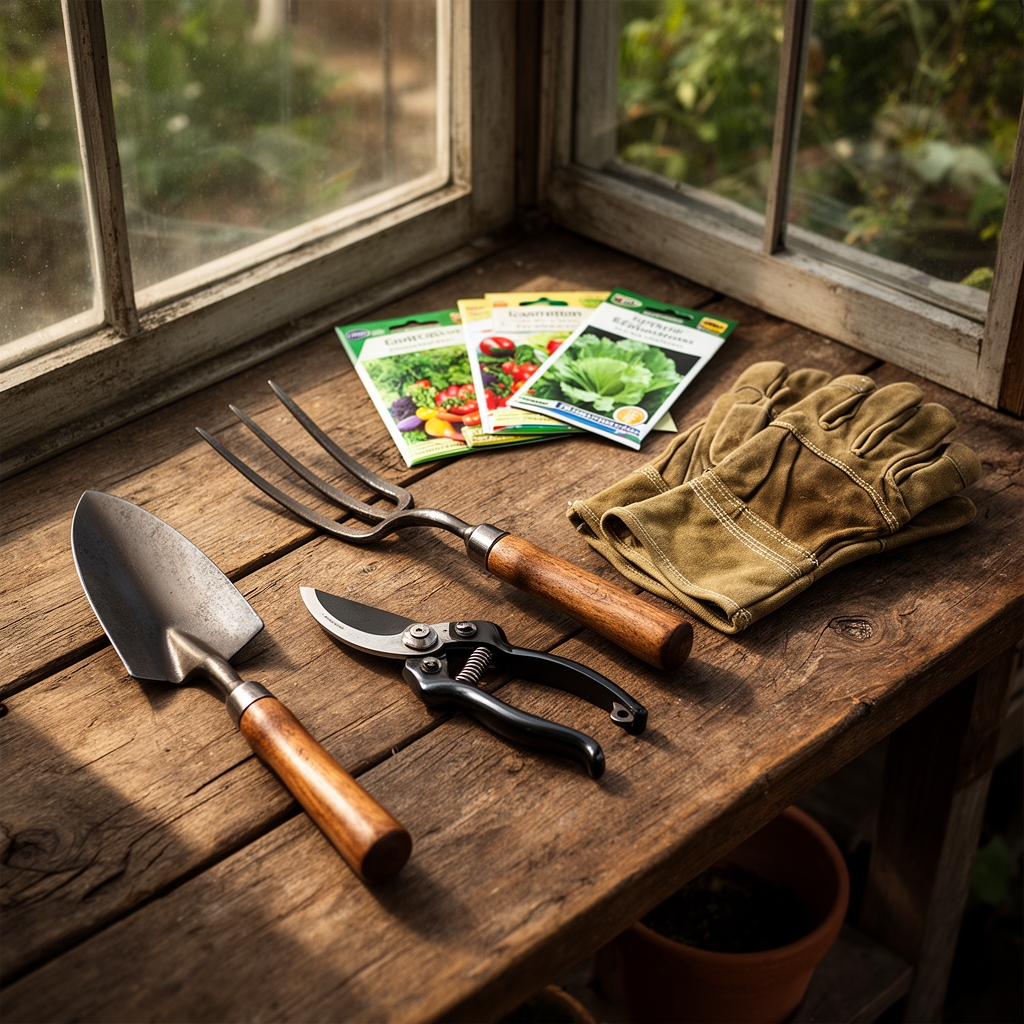
Structural integrity demands untreated cedar or locust posts, 4×4 inches, for retaining walls. Pressure-treated lumber leaches copper and arsenic compounds into root zones. Galvanized steel landscape edging works on slopes below 15 degrees. Stone offers permanence but requires excavation depth of 6 to 8 inches for frost heave resistance.
Amend each terrace bed with a balanced 4-4-4 organic fertilizer derived from feather meal, bone meal, and kelp. This slow-release blend supports cation exchange capacity in sloped soils where leaching is accelerated. Add agricultural lime at 5 pounds per 100 square feet if pH drops below 6.2. Sulfur lowers pH at 1 pound per 100 square feet when readings exceed 7.0. Incorporate 2 to 3 inches of finished compost to increase water-holding capacity. Mycorrhizal fungi inoculant at label rates colonizes root systems within 14 days, extending effective root reach by 10 to 100 times.
Landscape fabric goes beneath gravel pathways between terraces. Avoid fabric in beds; it restricts beneficial nematode and earthworm movement. Drip irrigation tubing, 0.6 GPH emitters spaced every 12 inches, conserves water and minimizes erosion.
Timing
Zones 3 through 5 require terrace construction completion by late September. Frost heave during freeze-thaw cycles can destabilize fresh installations. Zones 6 through 9 allow construction through November, provided soil remains workable.
Plant cool-season crops like lettuce, kale, and peas 4 weeks before the last spring frost. Warm-season transplants go in when soil temperature at 4 inches depth reaches 60°F for tomatoes and peppers, 65°F for cucurbits. Use a soil thermometer daily at 8 a.m. for three consecutive days to confirm readiness.
Fall crops benefit from terracing's microclimate moderation. Plant brassicas 10 weeks before the first frost. Upper terraces receive more wind and dry faster. Lower terraces accumulate cold air and morning frost lingers 30 to 45 minutes longer.
Phases
Sowing
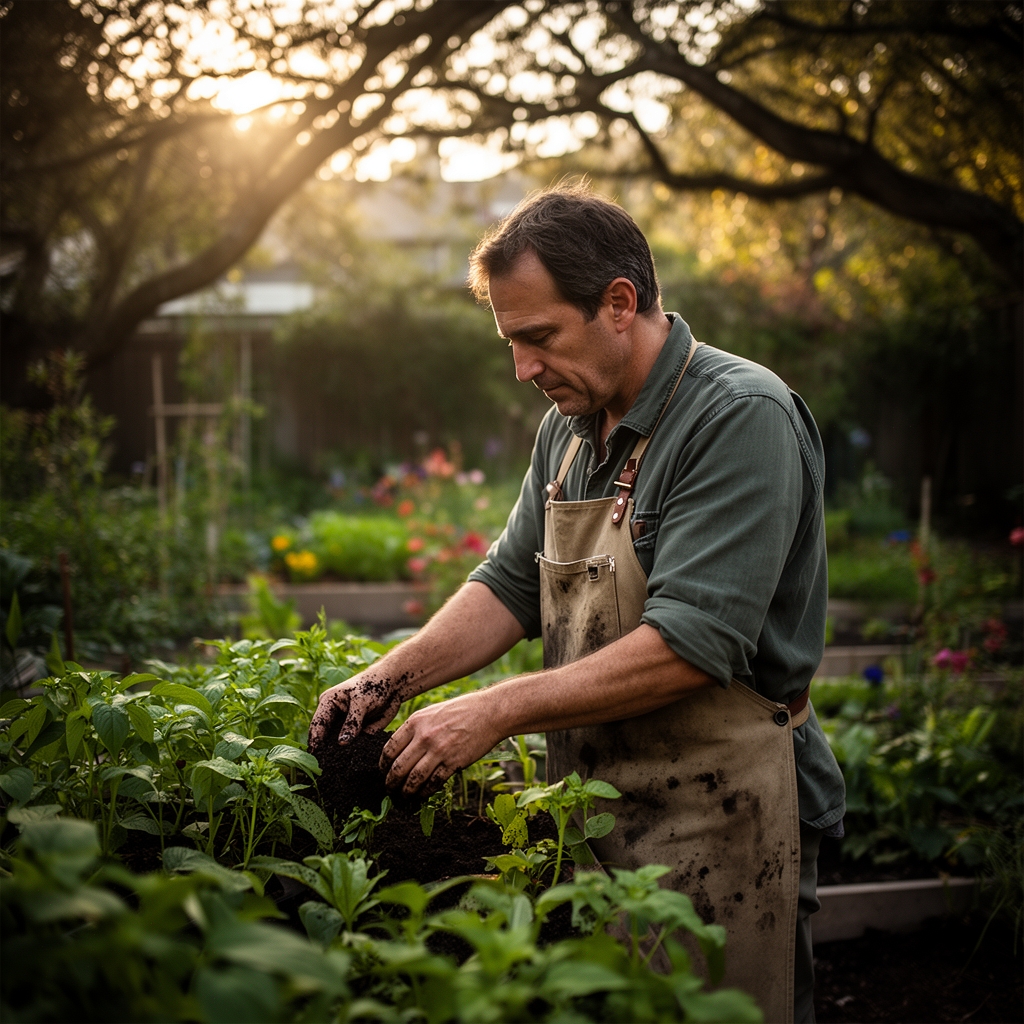
Direct sow carrots, radishes, and beans into terraced beds after final grading. Rake the surface to 0.25-inch aggregate size. Carrot germination fails in compacted soil or clods larger than the seed itself. Sow in rows parallel to terrace edges, never perpendicular. This minimizes seed wash during heavy rain before establishment.
Pro-Tip: Mix carrot seed with radish seed at a 4:1 ratio. Radishes germinate in 4 days and break soil crust, allowing slower carrot seedlings to emerge without resistance.
Transplanting
Harden off seedlings over 7 days before transplanting to terrace beds. Move flats outdoors for 2 hours on day one, adding 2 hours daily. This acclimates stomata and cuticle layers to wind and UV intensity on exposed slopes.
Dig holes 1.5 times root ball diameter. Tomatoes go deep, burying stems to the first true leaves. Adventitious roots form along buried stem tissue, increasing nutrient uptake by 30 percent. Space plants 24 inches apart on terraces narrower than 4 feet to allow access from both sides.
Pro-Tip: Apply kelp extract foliar spray at 1 tablespoon per gallon 24 hours before transplanting. Cytokinins in kelp reduce transplant shock by maintaining auxin distribution during root disturbance.
Establishing
Water transplants daily for the first week, delivering 0.5 inch per session. Check soil moisture at 3 inches depth with a finger test. Soil should clump when squeezed but crumble when poked. After 10 days, shift to every other day. By week four, established plants require 1 inch of water per week total.
Mulch beds with 3 inches of straw or shredded leaves. Keep mulch 2 inches away from stems to prevent fungal collar rot. Mulch moderates soil temperature swings of up to 15°F common on slopes with high sun exposure.
Pro-Tip: Install shade cloth at 30 percent density over upper terraces during heat waves exceeding 90°F. Brassicas bolt when exposed to 85°F for 3 consecutive days. Shade drops ambient temperature by 8 to 12°F.
Troubleshooting
Symptom: Yellowing lower leaves with green veins.
Solution: Iron chlorosis from high pH. Drench soil with chelated iron at label rates. Retest pH and apply sulfur if above 7.2.
Symptom: Blossom end rot on tomatoes and peppers.
Solution: Calcium deficiency exacerbated by inconsistent watering. Apply gypsum at 2 pounds per 100 square feet. Maintain soil moisture at 60 to 70 percent field capacity.
Symptom: Wilting despite moist soil.
Solution: Root-knot nematodes or Verticillium wilt. Remove affected plants. Solarize soil by covering with clear plastic for 6 weeks during peak summer. Rotate with marigolds (Tagetes patula), which release alpha-terthienyl, a nematode suppressant.
Symptom: Shot-hole appearance on brassica leaves.
Solution: Flea beetles. Apply diatomaceous earth to leaf surfaces at first sign. Reapply after rain. Row covers prevent infestation if installed at transplanting.
Maintenance
Apply side-dress fertilizer at 5-5-5 ratio when fruiting crops begin flowering. Broadcast 1 cup per 10 row feet, keeping granules 4 inches from stems. Water immediately to move nutrients into root zones.
Prune tomato suckers below the first fruit cluster. Remove any foliage touching soil to reduce fungal pathogen splash. Stake indeterminate varieties with 6-foot posts driven 12 inches deep.
Inspect drip lines weekly for clogging. Flush systems monthly by opening end caps and running water for 2 minutes. Check emitter output with a graduated cylinder; replace any emitting below 0.5 GPH.
FAQ
How steep can a terrace garden slope be?
Individual terrace beds must be level. Overall slope before terracing can reach 30 degrees. Steeper grades require engineered retaining walls and drainage.
What depth should terrace beds have?
Minimum 8 inches for greens, 12 inches for root crops, 18 inches for tomatoes and deep-rooted plants. Measure from terrace floor, not retaining wall height.
Do terraces need additional drainage?
Yes. Install perforated pipe behind retaining walls, sloped to daylight at terrace ends. Backfill with 6 inches of gravel to prevent saturation and wall failure.
Can I build terraces on clay soil?
Clay requires additional organic matter. Add 4 inches of compost and till to 10 inches depth. Install drainage rock beneath beds to prevent waterlogging.
How long do terrace walls last?
Cedar lasts 15 to 20 years. Stone lasts indefinitely with proper foundation. Inspect annually for bowing or shifting and reinforce with additional posts.