9 Airflow Tips to Use a Garden Pruner for Vegetable Stems
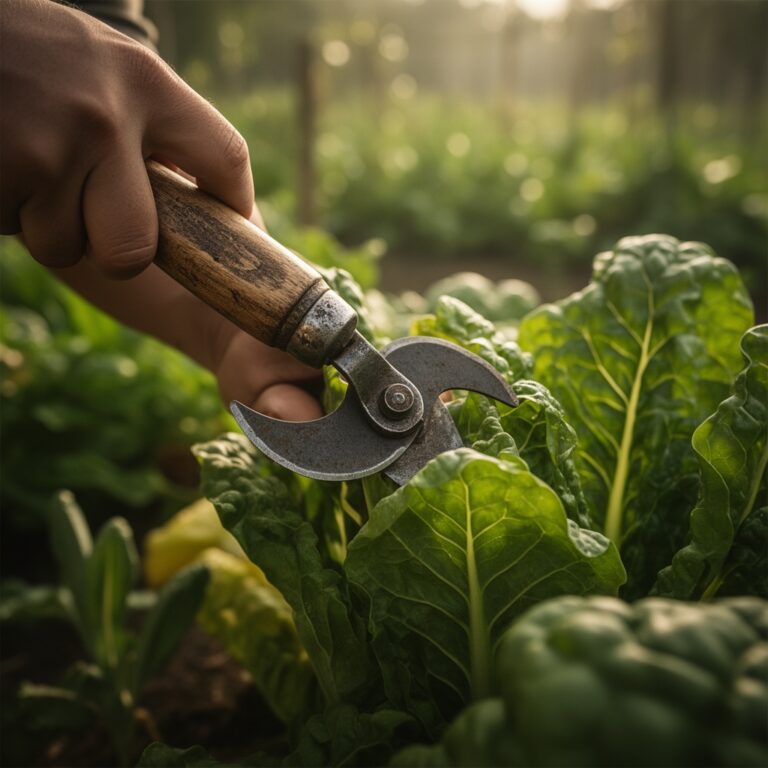
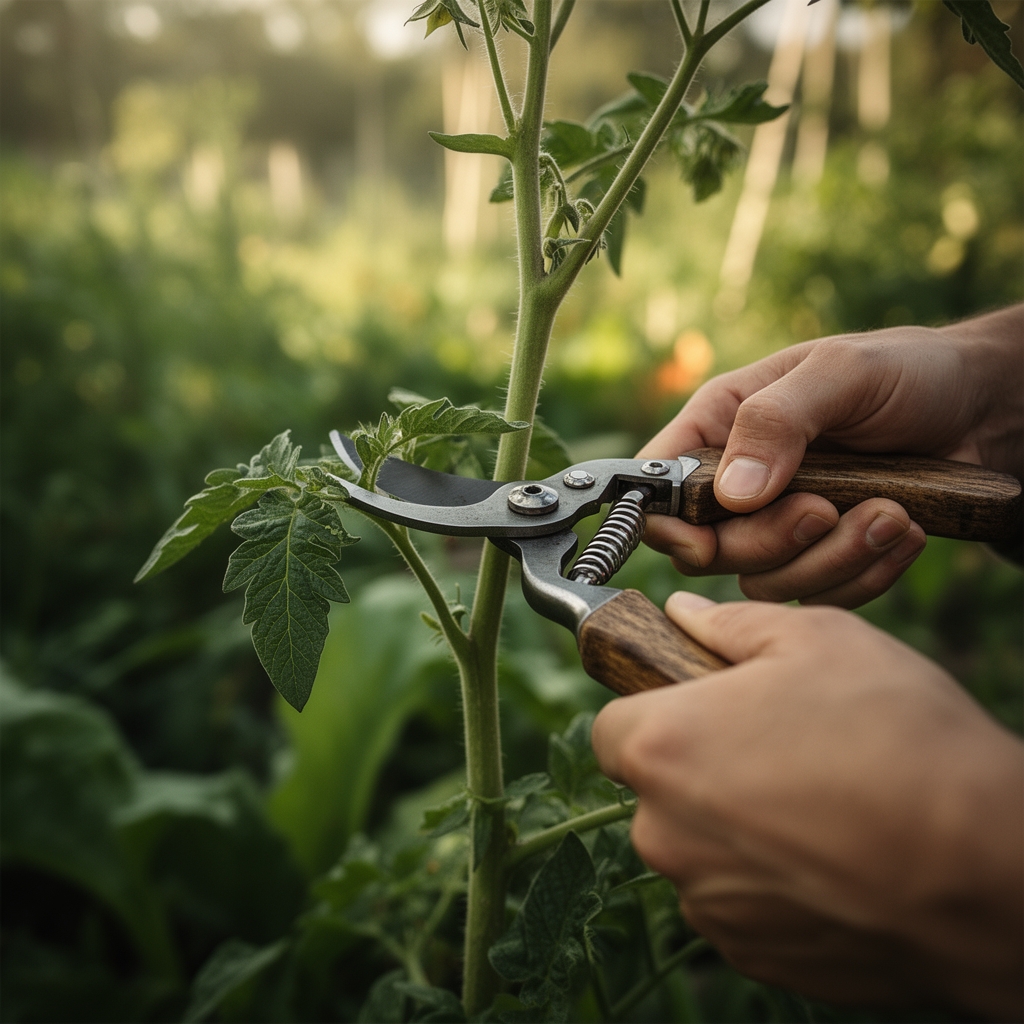
The pruner clicks through a tomato stem at a precise 45-degree angle, leaving a clean wound that closes within hours rather than days. Using a garden pruner for vegetable stems transforms garden hygiene, plant vigor, and harvest yields when air circulation principles guide each cut. The difference between a pathogen-free row and one crawling with powdery mildew often traces back to how air moves through the canopy after strategic pruning.
Materials
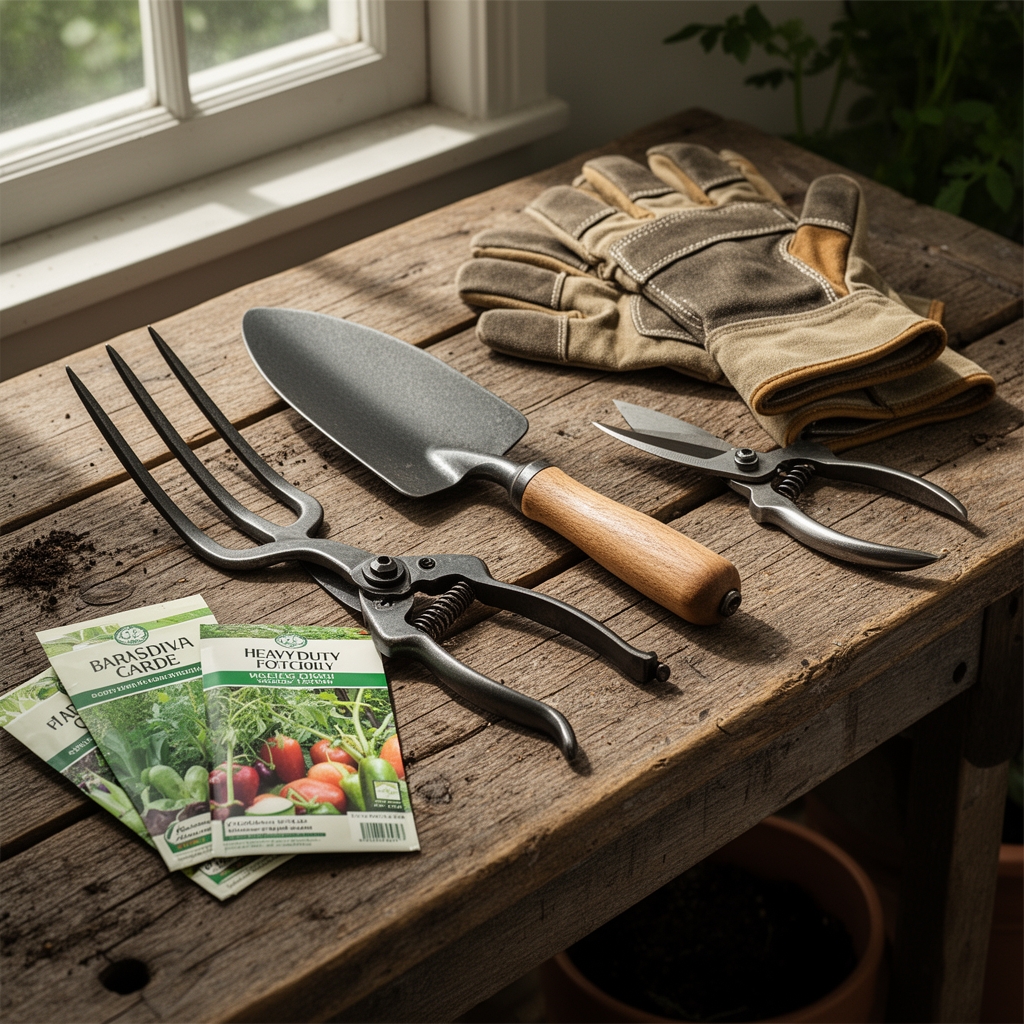
Bypass pruners with hardened steel blades rated to 0.75 inches cut cleanly without crushing vascular tissue. Anvil-style tools crush stems and invite bacterial entry. Isopropyl alcohol at 70% concentration sterilizes blades between plants to prevent cross-contamination of verticillium wilt and bacterial spot.
Balanced fertilizer ratios support stem resilience before pruning stress. Apply 5-5-5 all-purpose organic fertilizer at 2 pounds per 100 square feet two weeks before major pruning sessions. Soils with pH 6.2 to 6.8 maximize calcium uptake, which strengthens cell walls at cut sites. Cation exchange capacity above 10 meq/100g ensures nutrient reserves sustain wound healing and new lateral growth.
Mycorrhizal fungi inoculant applied at transplant time establishes symbiotic networks that accelerate post-pruning recovery. Granular kelp meal (1-0.1-2) provides trace minerals and cytokinins that trigger auxiliary bud break after apical dominance removal.
Timing
Zones 5 through 7 schedule heavy pruning 30 days after last frost when nighttime temperatures stabilize above 50°F. Warm soil accelerates auxin redistribution from pruned terminals to lateral shoots. Zones 8 through 10 prune in early morning during cool months, avoiding midday heat that stresses open wounds.
Transplants require 14 days of root establishment before first pruning. Stems below pencil thickness lack stored carbohydrates to support regrowth. Wait until main stems reach 0.5 inches in diameter and produce six true leaves.
Late-season pruning ceases 45 days before first expected frost. Cuts made closer to frost divert energy from fruit ripening to wound repair and soft new growth vulnerable to cold damage.
Phases

Sowing Phase: Direct-seeded squash, cucumbers, and beans establish taproot systems sensitive to early disturbance. Wait until seedlings develop two sets of true leaves before removing damaged cotyledons. Sterilize pruner tips between rows to prevent damping-off fungi spread.
Pro-Tip: Apply Trichoderma harzianum powder to cut stems during high humidity. The beneficial fungus colonizes wounds faster than Botrytis cinerea.
Transplanting Phase: Remove lower leaves on tomato, pepper, and eggplant transplants to expose the first 3 inches of stem. Bury this section to encourage adventitious root formation. Make cuts 0.25 inches above leaf nodes at 45-degree angles to shed water. Vertical cuts pool moisture and invite soft rot bacteria.
Prune suckers from indeterminate tomatoes when they reach 2 to 3 inches. Larger suckers divert 15% more photosynthate from fruit production. Pinch or cut at the base where tissue is softest to minimize wound surface area.
Pro-Tip: Prune in afternoon when plants are slightly water-stressed. Turgid morning stems bleed sap that attracts aphids and whiteflies to fresh cuts.
Establishing Phase: Thin excess growth to space remaining stems 6 to 8 inches apart. Airflow through dense canopies must reach 2 to 3 mph to evaporate leaf moisture and prevent fungal spore germination. Measure with a handheld anemometer at mid-canopy height.
Remove all foliage touching soil to eliminate splash-dispersed pathogens. Cut stems showing chlorotic mottling or necrotic spotting immediately and dispose outside garden perimeters.
Pro-Tip: Prune lower thirds of mature pepper plants to redirect auxin flow upward, concentrating fruit set in upper canopy where harvest access improves.
Troubleshooting
Symptom: Brown, calloused wound edges that fail to close after one week.
Solution: Calcium deficiency limits cell wall synthesis. Side-dress with gypsum (calcium sulfate) at 1 pound per 10 feet of row. Foliar spray calcium chloride at 0.5% solution three days post-pruning.
Symptom: White fungal growth on cut surfaces within 48 hours.
Solution: Botrytis cinerea thrives in humidity above 85%. Prune only when three consecutive dry days are forecast. Apply sulfur dust (90% wettable) to wounds in damp climates.
Symptom: Wilting stems above pruning cuts despite adequate soil moisture.
Solution: Vascular blockage from bacterial canker. Remove affected stems 6 inches below symptoms. Disinfect pruners for 60 seconds between each cut. Avoid overhead irrigation for two weeks.
Symptom: Excessive suckering after terminal pruning.
Solution: High nitrogen ratios (above 10-5-5) trigger vegetative flush. Switch to bloom formula (5-10-10) to redirect energy toward reproductive growth.
Symptom: Hollow or pithy stems near cuts.
Solution: Boron deficiency disrupts lignification. Apply borax at 1 tablespoon per 100 square feet. Retest soil if symptoms persist beyond three weeks.
Maintenance
Water pruned plants with 1 inch of irrigation within two hours of cutting to restore turgor pressure. Drip systems deliver moisture without wetting foliage and wound sites. Mulch with 2 inches of straw to stabilize soil temperature and reduce stress.
Apply compost tea at 1:5 dilution ratio seven days post-pruning. Beneficial bacteria populations in quality tea occupy wound surfaces and outcompete pathogens. Brew for 24 to 36 hours with continuous aeration to maintain dissolved oxygen above 6 ppm.
Monitor new growth for nutrient deficiencies. Yellowing between veins indicates iron or manganese limitation from post-pruning demand spikes. Chelated micronutrient spray at manufacturer rates corrects deficiencies within five days.
Inspect pruned plants every 72 hours during the two weeks following cuts. Early pathogen detection limits spread to 10% of what occurs when symptoms reach advanced stages.
FAQ
How often should pruners be cleaned during a session?
Sterilize blades after every third plant in disease-free gardens. Sterilize between every plant when symptoms of wilt, spot, or blight appear anywhere in the planting.
Can all vegetable stems be pruned with the same technique?
Brassicas and alliums resent heavy pruning. Limit removal to 10% of leaf area. Solanaceous and cucurbit crops tolerate 30% removal when properly timed.
What diameter stems require loppers instead of pruners?
Stems exceeding 0.75 inches require lopper leverage to prevent blade slippage and torn cambium. Mature squash vines and over-wintered Brussels sprout stalks fall in this category.
Does pruning angle affect healing speed?
Angles between 30 and 60 degrees shed water while minimizing exposed surface area. Cuts perpendicular to stems double healing time and triple infection rates.
Should wound sealants be applied to vegetable stems?
Modern research shows sealants trap moisture and pathogens. Clean cuts on healthy plants close faster when exposed to air and colonized by beneficial microbes.