8 Shaded Success Steps to Prepare a Courtyard Garden
Courtyard walls cast predictable shadow patterns that most gardeners misread. The trick to prepare a garden for a courtyard vegetable garden lies in mapping solar exposure hour by hour across each season, then matching crop physiology to microclimates within ten square feet. A north-facing brick alcove that receives three hours of dappled morning light will support leafy brassicas far better than fruiting Solanaceae. Measuring photosynthetically active radiation with a PAR meter reveals that reflected light from white stucco can add 200 micromoles per square meter per second, enough to shift a "partial shade" zone into a productive growing area for determinate tomatoes.
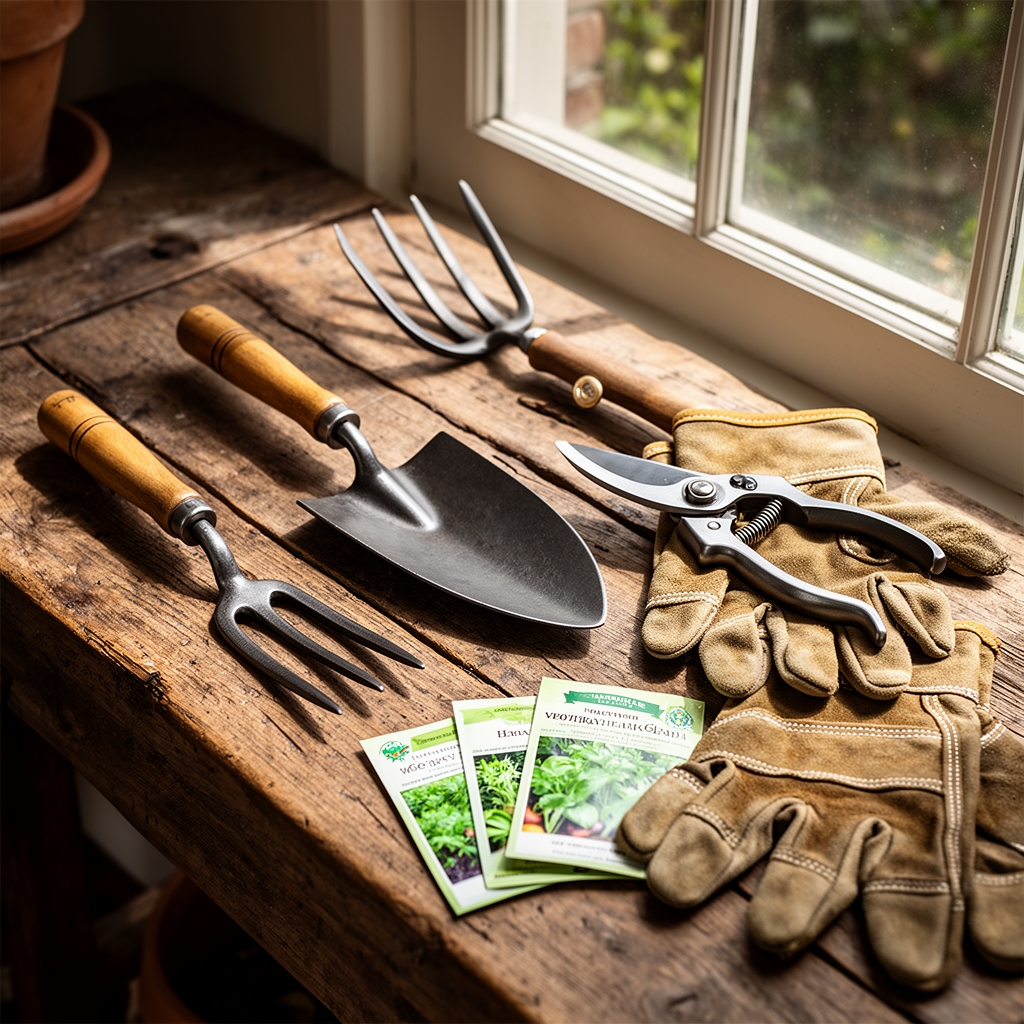
Materials
Begin with a soil test that reports cation exchange capacity, not just NPK values. Clay-heavy courtyard fill often registers CEC above 25 meq/100g, which binds nutrients tightly and requires sulfur amendments to lower pH from 7.8 to 6.5 over one growing season. For new beds, blend two parts aged compost (pH 6.8, approximate NPK 1-1-1) with one part perlite and one part peat moss to achieve a target porosity of 40 percent.
Balanced organic fertilizer rated 4-4-4 supplies steady macronutrients without the salt index spikes common in synthetic blends. Bone meal at 3-15-0 accelerates root establishment in transplants, while kelp meal at 1-0.5-2 delivers trace elements including boron and molybdenum that leach quickly from containerized courtyard plantings. Mycorrhizal inoculant containing Glomus intraradices and Rhizophagus irregularis colonizes root cortexes within 14 days when applied directly to transplant root balls at 0.25 ounces per plant.
Hardscape materials matter. Untreated cedar for raised beds leaches minimal tannins, while reclaimed railroad ties often contain creosote residues that inhibit germination. Galvanized steel beds require a food-grade liner to prevent zinc leaching at pH below 6.0.
Timing
Hardiness zones govern frost dates, but courtyard microclimates create pockets two zones warmer than surrounding landscapes. A south-facing courtyard in Zone 6b (last frost May 1) may sustain Zone 8a conditions (last frost April 1) if thermal mass from masonry walls stores daytime heat. Install a min-max thermometer at soil level for seven days to establish your true last frost date.
Start cool-season brassicas indoors eight weeks before the adjusted last frost date. Transplant lettuce, kale, and chard when soil temperature reaches 45°F, typically three weeks before the official frost-free date in walled courtyards. Warm-season crops require 60°F soil temperature. Tomatoes, peppers, and eggplants transplant safely two weeks after the last frost when nighttime air temperature remains above 50°F for five consecutive nights.
Fall planting windows extend four weeks longer in courtyards than in open gardens. Sow spinach and arugula in late August for harvest through November in Zone 6 courtyards with south-facing exposure.
Phases
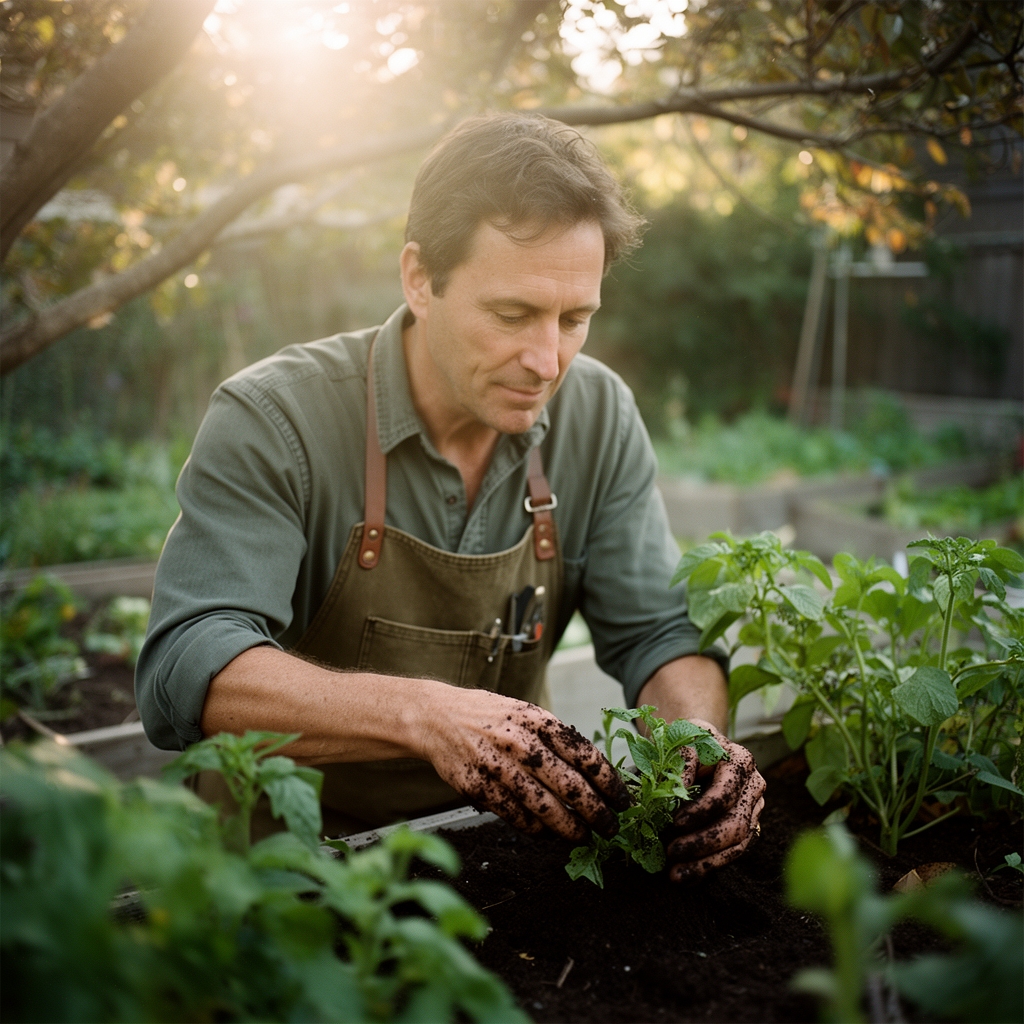
Sowing Phase
Direct-sow large seeds like beans and squash 1.5 times their diameter deep. Carrot and lettuce seed require light for germination; press them into the soil surface without covering. Maintain soil moisture at 70 percent field capacity using a tensiometer until radicle emergence, usually 48 to 72 hours for warm-season annuals.
Pro-Tip: Pre-germinate tomato and pepper seeds between damp coffee filters at 80°F for 36 hours before sowing. This technique synchronizes emergence and reduces damping-off by shortening vulnerable seedling exposure to Pythium spores in cool soil.
Transplanting Phase
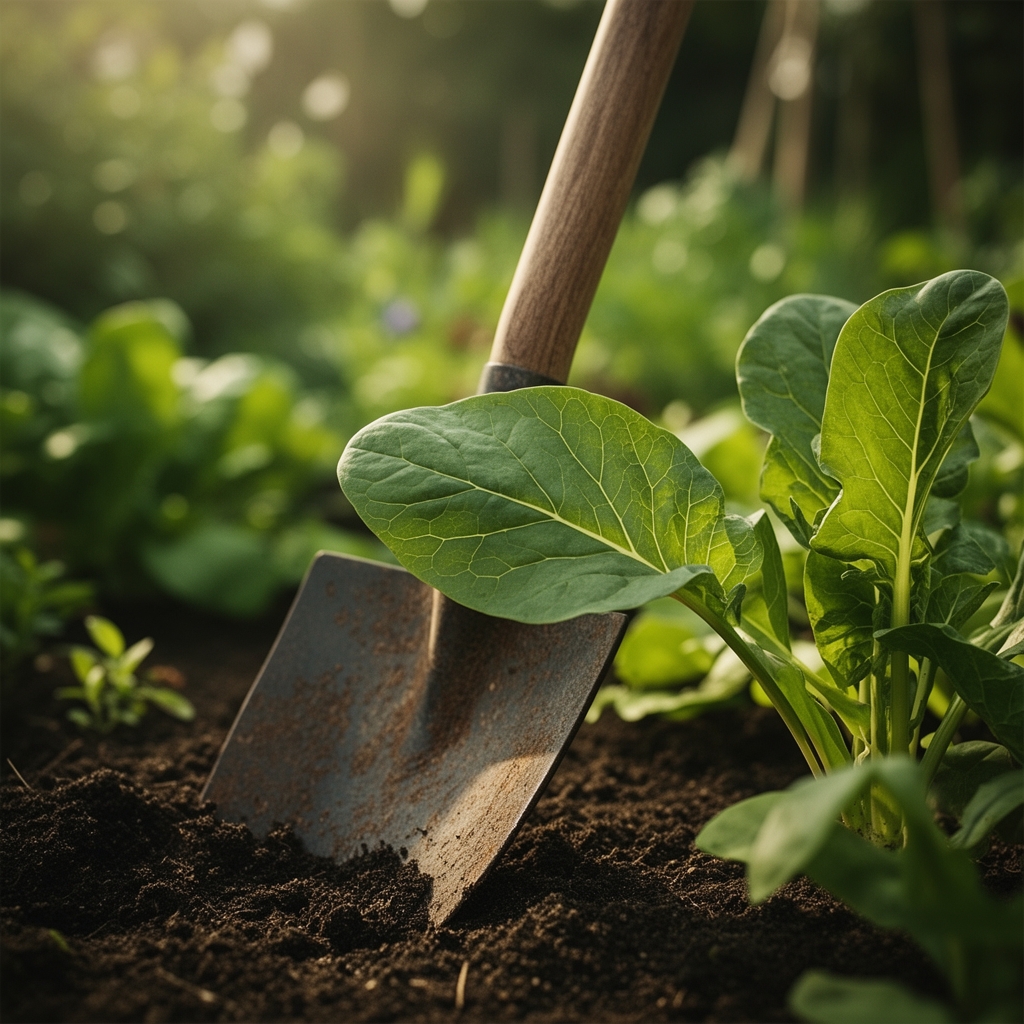
Harden off seedlings by reducing water to 50 percent field capacity and exposing them to outdoor conditions in 90-minute increments over seven days. Transplant in late afternoon to minimize transpiration stress. Dig holes twice the root ball width, incorporate one tablespoon of bone meal, and position the crown at the original growing depth except for tomatoes, which root along buried stems.
Water transplants with a diluted fish emulsion solution at 2-3-1 NPK ratio, half-strength, to deliver nitrogen for chlorophyll synthesis without promoting excessive vegetative growth at the expense of auxin distribution to lateral roots.
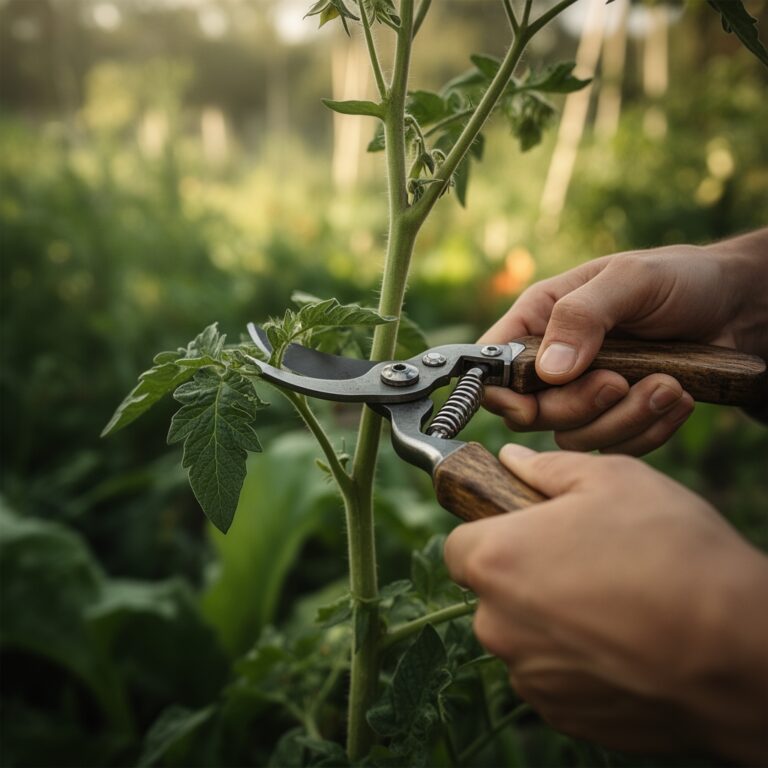
Pro-Tip: Prune tomato transplants at a 45-degree angle to remove the lowest leaf set. This increases air circulation near the soil line and reduces early blight incidence by 30 percent in humid courtyard conditions.
Establishing Phase
Monitor new growth daily for the first 14 days. Leaves should expand at a rate of 0.5 inches per day in optimal conditions. Yellowing of lower leaves signals nitrogen deficiency; apply blood meal at 12-0-0, one tablespoon per plant, scratched into the top two inches of soil. Stunted growth with purple leaf undersides indicates phosphorus lockout, common in cold soil below 55°F.
Pro-Tip: Inoculate legume roots with Rhizobium bacteria specific to the species. Peas require Rhizobium leguminosarum, while beans need Rhizobium phaseoli. Each symbiosis can fix 20 to 40 pounds of atmospheric nitrogen per 100 square feet per season.
Troubleshooting
Symptom: Interveinal chlorosis on new growth.
Solution: Iron deficiency induced by high pH. Apply chelated iron (Fe-EDDHA) at 1 ounce per 10 square feet and incorporate sulfur to lower soil pH by 0.5 units over 60 days.
Symptom: Blossom end rot on tomatoes and peppers.
Solution: Calcium translocation failure caused by inconsistent watering. Maintain soil moisture between 60 and 75 percent field capacity. Foliar spray with calcium chloride at 0.5 percent solution does not correct the root cause but reduces crop loss in the current season.
Symptom: White powdery coating on leaf surfaces.
Solution: Powdery mildew (Erysiphe species) thrives in shaded courtyards with poor air circulation. Prune plants to open canopies, space transplants 18 inches apart, and apply potassium bicarbonate solution (1 tablespoon per gallon) weekly as a protectant.
Symptom: Holes in leaves with dark frass present.
Solution: Cabbage looper (Trichoplusia ni) larvae. Hand-pick at dawn when caterpillars feed actively. Bacillus thuringiensis var. kurstaki (Btk) applied at 0.5 tablespoons per gallon disrupts larval gut membranes within 48 hours.
Symptom: Wilting despite adequate soil moisture.
Solution: Verticillium wilt caused by soilborne fungi. Remove affected plants immediately. Solarize soil by covering with clear plastic for six weeks during peak summer to raise soil temperature to 140°F at four-inch depth, which kills fungal microsclerotia.
Maintenance
Apply 1 inch of water per week, measured with a rain gauge, delivered in two deep sessions rather than daily sprinkling. Drip irrigation at 0.5 gallons per hour per emitter maintains consistent moisture in the root zone while keeping foliage dry.
Mulch beds with 2 inches of shredded hardwood bark to moderate soil temperature swings and suppress annual weeds. Replenish mulch mid-season as decomposition reduces depth.
Side-dress heavy feeders like tomatoes and squash every three weeks with compost tea brewed for 24 hours with active aeration. Apply 1 quart per plant, avoiding direct contact with stems.
Prune indeterminate tomatoes to two main stems by removing all suckers below the first flower truss. This concentrates auxin flow and increases fruit size by 15 percent in confined courtyard spaces.
FAQ
How deep should courtyard vegetable garden soil be?
Root crops require 12 inches minimum. Tomatoes and peppers perform well in 10 inches. Lettuce and herbs thrive in 6 inches if fertility is maintained.
Can vegetables grow in three hours of direct sun?
Leafy greens, Asian brassicas, and herbs tolerate three hours. Fruiting crops require six hours minimum for adequate photosynthate production to support reproductive growth.
What is the best container size for courtyard tomatoes?
Fifteen-gallon containers provide sufficient root volume for determinate varieties. Indeterminate types require 20 gallons to support season-long production without rootbound stress.
How often should I test courtyard soil?
Test annually before spring planting. Container media requires testing twice per season because frequent irrigation leaches nutrients rapidly through the root zone.
Do I need grow lights in a shaded courtyard?
Supplemental LED grow lights providing 200 micromoles per square meter per second for four hours daily can compensate for inadequate solar exposure in deep shade zones below three hours of direct sun.